
Used Hybrids That Keep Real-World Commuting Costs Down
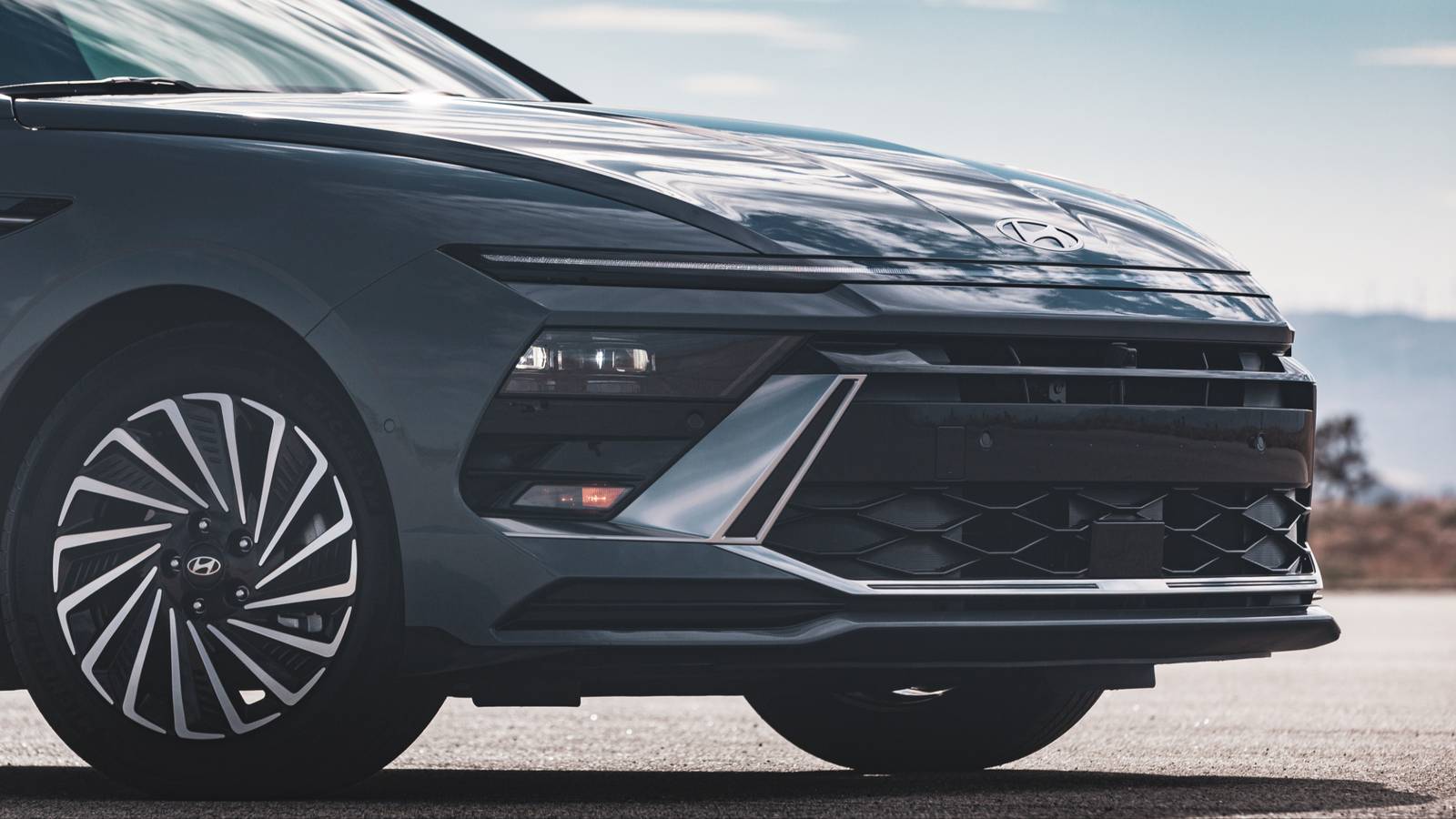
With fuel prices still straining household budgets, many drivers are looking at used hybrids as a practical way to cut daily commuting costs without jumping into a fully electric vehicle. These cars deliver meaningful fuel savings in stop-and-go traffic, where conventional gasoline engines are at their least efficient, and they do it without the range anxiety or charging infrastructure questions that come with a pure EV.
The appeal of a used hybrid goes beyond the sticker price. Because hybrids rely on regenerative braking to recapture energy, brake wear is typically lower than on a comparable gasoline model, which can reduce long-term maintenance bills. Their engines also tend to run less frequently in city driving, meaning oil changes and other routine service items may stretch further between visits. For commuters who cover the same congested route every day, those small savings add up over months and years.
Shopping the used market, however, requires more care than buying new. Battery health is the single biggest variable: while most modern hybrid battery packs are designed to last well over a decade, an older example with high mileage may need a replacement sooner than the buyer expects. A pre-purchase inspection by a mechanic familiar with hybrid systems, along with a scan of the battery’s state of health, is well worth the cost. Service records matter too, particularly for the cooling systems that keep hybrid batteries and inverters within their operating range.
Fuel economy ratings are also a useful starting point but not the whole story. Real-world commuting returns depend heavily on driving style, terrain, and temperature. A hybrid that shines in mild weather can lose a noticeable share of its advantage in extreme cold, when the gasoline engine runs more often to provide heat. Buyers who do mostly highway driving may find the gap between a hybrid and a conventional car narrows, since hybrids gain the most in low-speed, stop-and-go conditions.
For budget-conscious commuters, the sweet spot tends to be a mainstream compact or midsize hybrid sedan or hatchback from a reputable brand, with a documented service history and a battery that still holds a healthy charge. Chosen carefully, a used hybrid can deliver years of low-cost daily driving while sidestepping both the upfront premium of a new car and the infrastructure questions of going fully electric.
What do you think?