
Helm.ai Wins $70M in Contracts as Its AI Models Move Into Mining and Robotics
Helm.ai has booked US$70m in commercial agreements over the past year, with the signatories spanning automakers, industrial automation specialists and Tier 1 suppliers. The company’s foundation-model software is increasingly finding work outside passenger cars, most notably in mining machinery and robotics.
The scope of those deals touches several corners of the autonomy stack: perception, full-stack driving, automated data labelling and generative simulation. On the automotive side, the development work stretches from level 2+ assistance up to level 4 capabilities. Helm.ai has not named its customers, broken out revenue figures or specified when it expects to cross into operating profit, so the real size of each individual contract remains difficult to gauge from the outside.
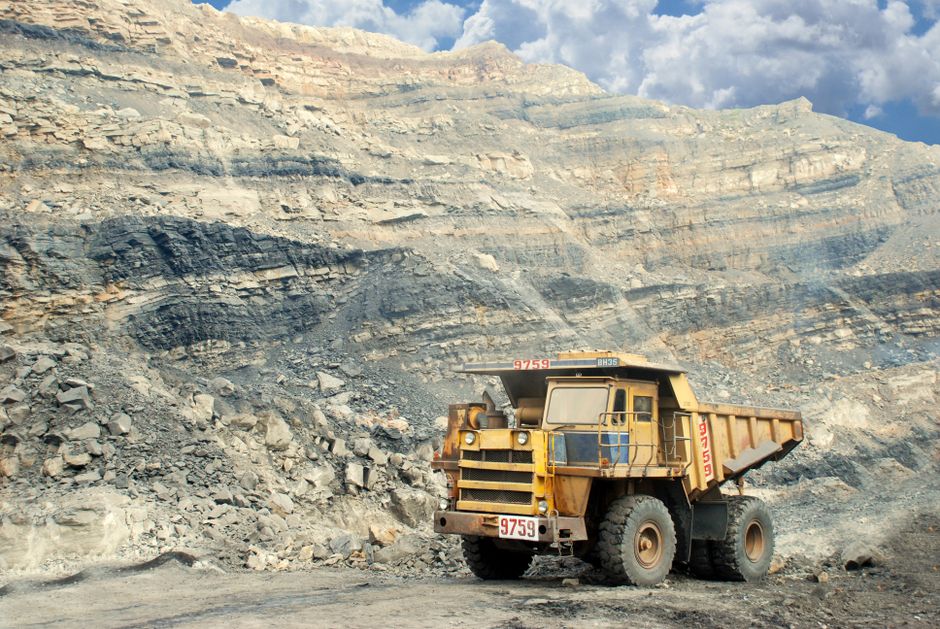
Beyond public roads, the company’s perception stack is on a production path for heavy equipment used in open-pit mining. Founder and Chief Executive Vladislav Voroninski frames driving as the company’s first market at scale, and notes that the very same models are already being repurposed for robotics applications.
Voroninski’s core argument is one of efficiency. He contends that Helm.ai’s models require substantially less data and compute than competing approaches to grasp the underlying structure of the physical world, offering a possible route to profitability in a field where rivals have burned through billions. The company points to its unsupervised Deep Teaching method, which decouples understanding an environment from the act of navigating it, as the source of that advantage.
That positioning is aimed squarely at the cost centres that burden other autonomy developers: fleet-based data collection, massive end-to-end models and expensive in-vehicle silicon. Helm.ai says further announcements are expected before the end of the year.
What do you think?