
GMG's Graphene Cells Survive 1,000 Six-Minute Charge Cycles, Test Data Shows
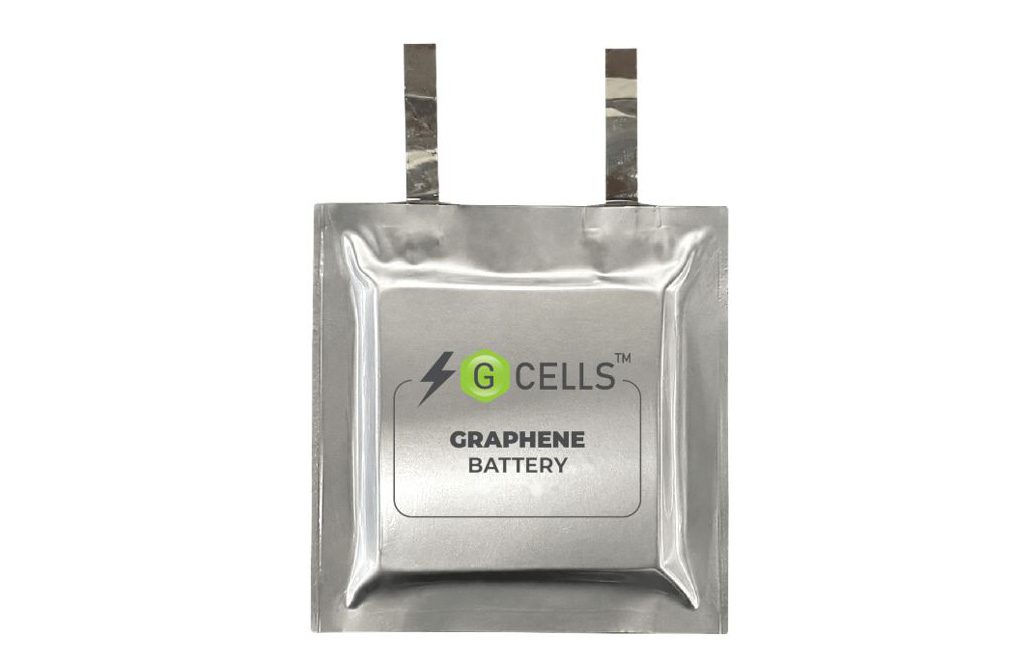
Graphene Manufacturing Group (GMG) has published fresh durability data for its fast-charging G CELLS, reporting that the graphene aluminum-ion cells completed 1,000 consecutive six-minute charge and discharge cycles without losing capacity — a milestone the company says sets its chemistry apart from established lithium-based designs.
The testing was carried out by Indiana’s Battery Innovation Center, which assembled the 1.5 Ah pouch cells and recorded the results, current through October 7, 2026. GMG itself supplied and manufactured the graphene material used inside those cells at its Brisbane Battery Development Centre. The company is advancing the technology under a joint development agreement with mining giant Rio Tinto, a tie-up that gives the effort both materials expertise and an industrial partner.
The headline number doubles the cycle count GMG reported in its previous update, which covered cells run at a 10 C rate rather than the 7 C rate used in this round. For comparison, a lithium titanate oxide (LTO) cell cycled over the same six-minute window at 10 C dropped to 80% of its original capacity within just 82 cycles — a threshold usually treated as the end of a battery’s useful life. A second G CELL, also cycled in six minutes at 10 C, posted a 10% performance decline after 393 cycles.
Energy density also improved. GMG says the cells reached 58 Wh/kg on a six-minute (10 C) charge, a 48% gain over the 39 Wh/kg recorded previously. At that same charging and discharging speed, the G CELLS delivered 94% energy efficiency, versus 64% for the LTO reference cell — a gap that matters because wasted energy turns into heat, which complicates real-world fast charging.
“Energy that isn’t lost as heat is what makes fast charging practical at the system level,” said GMG director Bob Galyen, a former chief technology officer at CATL. CEO and managing director Craig Nicol framed the results as evidence that the cells last roughly ten times longer than a comparable LTO cell charged and discharged over the same interval, and said the company’s next priorities are lifting energy density, extending 10 C cycle life and scaling up to larger cell formats. The cells use neither lithium nor rare earth materials, which GMG has positioned as an advantage as the industry weighs supply-chain risk alongside raw performance.
What do you think?