
GM Turns to Sodium-Ion Cells for Grid Storage, Not Electric Vehicles
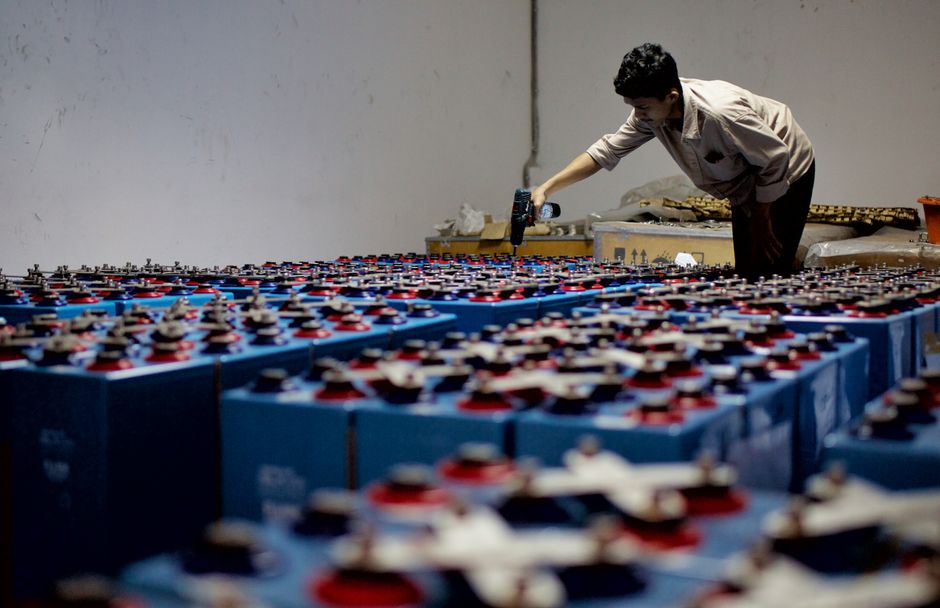
General Motors is moving ahead with sodium-ion battery development, but the company’s first target is stationary energy storage rather than electric cars. The decision reflects a practical calculation: sodium is abundant and cheap compared with lithium, yet its energy density still trails the chemistry used in today’s EV packs.
For grid-scale storage, weight and volume matter far less than they do in a vehicle. That makes sodium-ion an appealing option for buffering renewable power and smoothing demand, where cost per kilowatt-hour and long-term durability carry more weight than compact packaging.
GM’s choice also signals a broader split in battery strategy across the industry. Automakers continue to chase higher-density lithium chemistries for cars, while energy storage projects can adopt alternative materials that are easier to source and less exposed to supply bottlenecks.
Whether sodium-ion eventually migrates into road vehicles remains an open question. For now, GM is treating it as a complement to lithium, not a replacement.
What do you think?