
GM Pushes Super Cruise Into Its Best-Sellers, Eyes-Off Driving Arrives in 2028
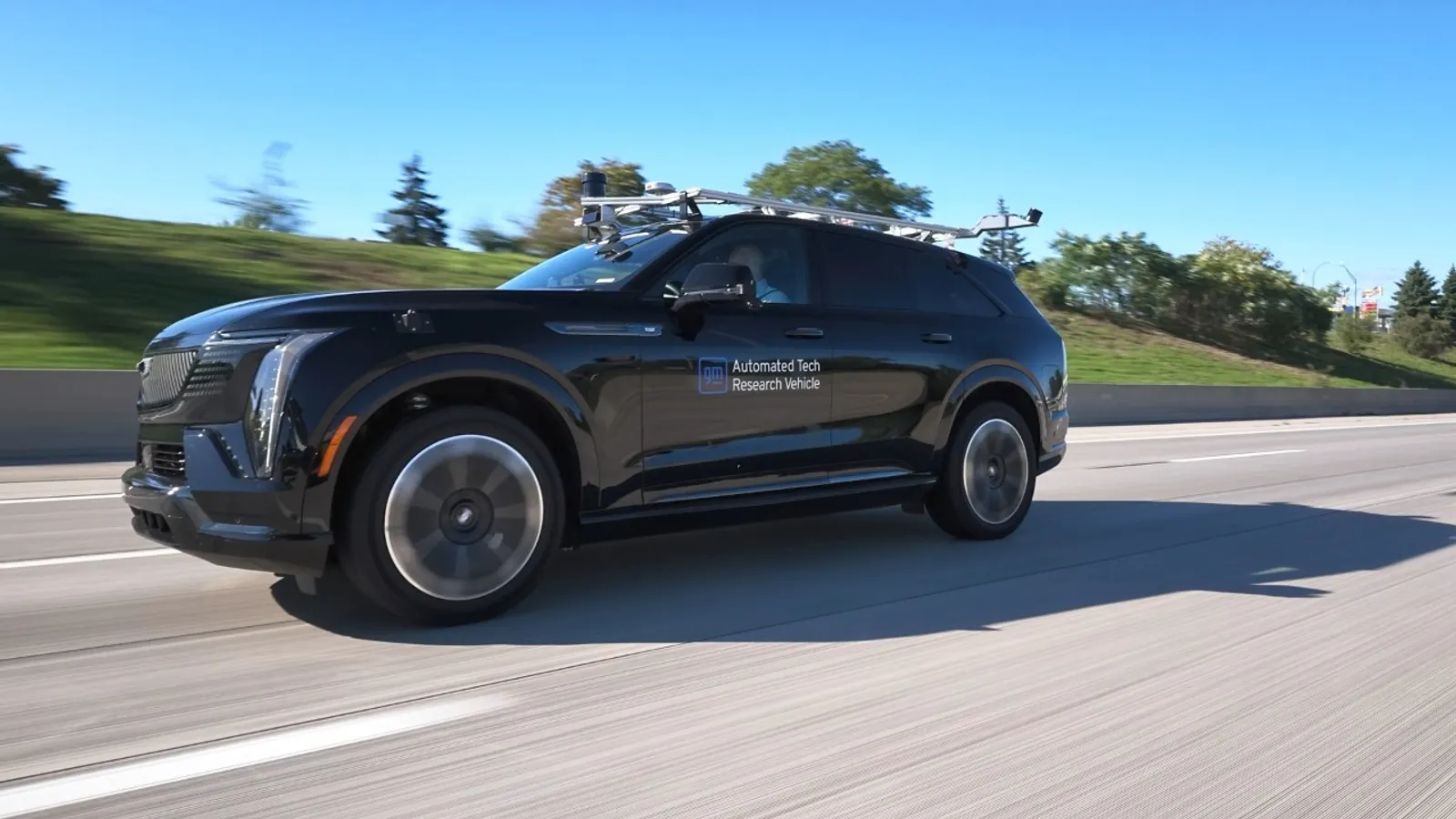
General Motors is taking Super Cruise from a niche convenience to a mainstream feature. The hands-free highway system is heading to the company’s highest-volume pickups and SUVs in North America, and a more capable eyes-off version is slated for 2028.
Underpinning the push is a new central compute and zonal electrical architecture developed in-house. GM describes it as a clean break from conventional automotive electronics — a liquid-cooled central compute unit (CCU) said to deliver roughly 40 times the compute capability of today’s vehicles.
One Brain, Many Vehicles
The CCU consolidates autonomy, active safety, chassis and propulsion software onto a single high-speed core. Because the software is decoupled from the hardware layer, GM can push over-the-air updates throughout a vehicle’s service life without re-engineering systems for every trim and body style.
The architecture is shared across gas and electric models alike, while each vehicle keeps the hardware and controls it needs for its specific job. That common foundation is what lets GM scale Super Cruise across the portfolio rather than treating it as a premium-only add-on.
A zonal hub and high-speed Ethernet network replace miles of conventional wiring, bundling sensors and actuators into a fast data backbone. GM says the network moves 36 times more data than previous systems, which gives the vehicle a richer picture of its surroundings.
The sensor side gets attention too: newly developed ultra-high-resolution, ultra-low-cost radar and machine learning architectures are part of the full autonomous driving stack. Improvements proven on one model can be deployed to others via OTA.
Escalade IQ First, Then the Volume Models
The next-generation Super Cruise with eyes-off capability launches in 2028, starting with the Cadillac Escalade IQ electric SUV before reaching higher-volume models — the new Chevrolet Silverado among them.
By the numbers: ~40x compute vs. current GM vehicles · 36x data transfer · 1.2 billion hands-free miles driven · ~750,000 Super Cruise-equipped vehicles in North America · 3 billion simulated miles per day · 2028 eyes-off launch
Data is the fuel here. GM has built a continuous data flywheel that pulls information from customer vehicles when owners opt in, and its own fleet of hundreds of data-collection vehicles logs roughly 1 million miles of sensor data a month, edge cases included. That feeds the machine learning models behind the stack.
Simulation carries a lot of the load as well. GM says its stack “drives” more than 3 billion miles daily in a computer-simulated environment built from real-world data, at an average 50 mph — a workload the company compares to gathering data from about 2.5 million human-driven vehicles each day.
Beyond the Driving Task
GM also showed a future cabin concept called Concept Horizon, framed around letting occupants relax, work or unwind during longer autonomous trips. The company says the design draws on research into how passengers actually use cabin time.
The bigger picture: GM is betting that owning the compute, network and software layers outright gives it room to keep improving vehicles after they leave the lot. Whether buyers notice the architecture or just the hands-off highway miles, the strategy hinges on the same promise — features that get better with time rather than aging out.
Source: WardsAuto
What do you think?