
Germany Publishes Roadmap to End Fossil Fuel Use by 2045
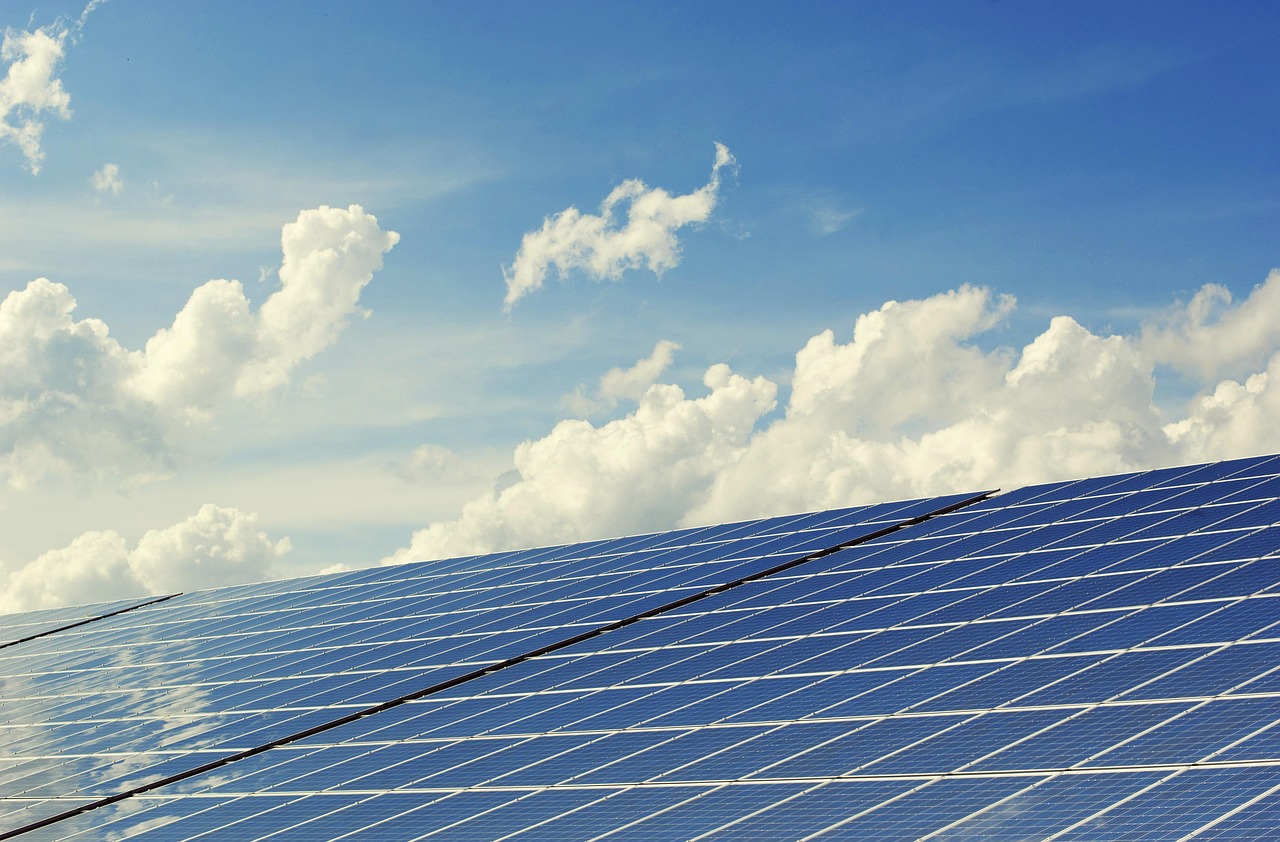
Germany has laid out a formal pathway to end its reliance on fossil fuels by 2045, releasing a roadmap on September 23, 2026 that sets the country on a course toward a renewables-dominated energy system. Under the plan, clean sources are expected to supply 80 percent of German electricity, supported by the addition of 215 GW of solar and 12 GW of onshore wind capacity by 2030. The country also intends to retire coal-fired generation by 2035, pulling the earlier 2038 target forward, and to cut methane emissions by at least 30 percent by 2030 in line with a global pledge it signed in 2021.
The announcement lands in a politically divided moment. The far-right AfD has gained ground, particularly in former East German regions, campaigning against heat pump mandates, wind power, and electric vehicles. Party co-leader Alice Weidel has dismissed wind turbines as “windmills of shame.” Even so, heat pumps now account for roughly half of new domestic heating systems in Germany, and European buyers purchased 1.16 million of them in the first half of this year, up from 1.05 million a year earlier, according to the European Heat Pump Association. Much of that momentum is driven by economics, as gas and oil prices have climbed while electricity costs have eased in many countries.
Not everyone views the roadmap as sufficient. Andreas Sieber of 350.org called it a “notable shift” for making the fossil phaseout an explicit policy goal, but cautioned that the economic affairs and energy ministry continues to push for more gas use. Former German climate envoy Jennifer Morgan argued the strategy must be matched with faster electrification of transport and heating, noting that a roadmap is only a starting point. Germany joins France, the Netherlands, and Kenya in publishing such a plan, while the UK has yet to follow suit.
The financial stakes are considerable. Estimates put Europe’s added costs from the Iran conflict at €100 billion, with energy commissioner Dan Jørgensen telling EU representatives in Dublin that the extra spending brought “not one extra molecule” of gas or oil. SolarPower Europe, meanwhile, reports that solar generation saved the bloc more than €30 billion in avoided methane imports for power in the six months since the Middle East conflict began.
What do you think?