
Germany Opens the Door to Bidirectional Charging, But Carmakers Say the Fine Print Still Bites
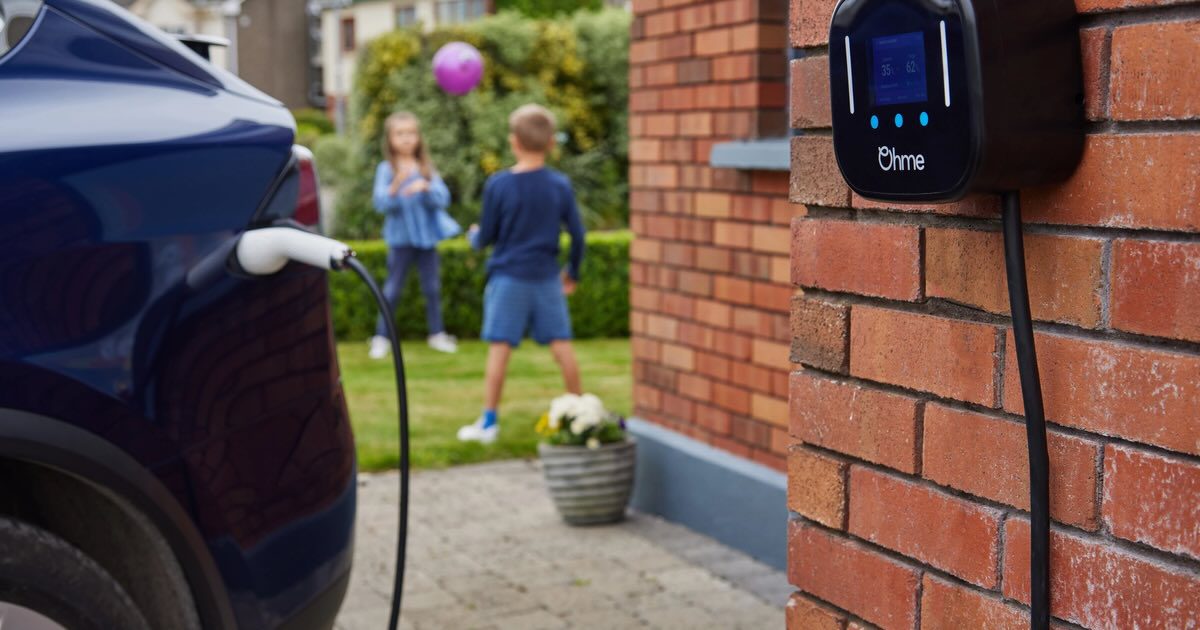
Germany’s federal grid regulator, BNetzA, has approved a new framework known as MiSpeL that lets batteries in homes, businesses and electric vehicles both draw from and feed power back into the electricity grid. The idea is to make it easier and more profitable for storage to buy cheap electricity when supply is abundant and sell it back when prices climb.
Until now, the rules kept a hard wall between subsidised renewable-only storage and batteries that took power from the grid, where coal and gas still play a role. The revised approach preserves the renewables subsidy while layering on lower levies and grid fees for grid-charged batteries — a change BNetzA chief Klaus Müller framed as turning committed households into active participants in the energy transition.
Technically, many EVs are already capable of bidirectional charging, but taxes and grid fees have kept the economics upside down for owners. In theory, a parked car could act as a storage asset: soaking up surplus power and pushing it back when the grid is strained, earning its owner money along the way.
That promise has not convinced everyone. A coalition of major automakers and power companies argues the new rules remain too complex, pointing to technical, economic and operational barriers — especially around state support and smart meter requirements — that they say could stall a market rollout. Grid flexibility matters more than ever as intermittent renewables expand, and regulators will face pressure to keep simplifying the path forward.
What do you think?