
Fraunhofer Battery Alliance Strengthens Ties with South Korea in New Research Push
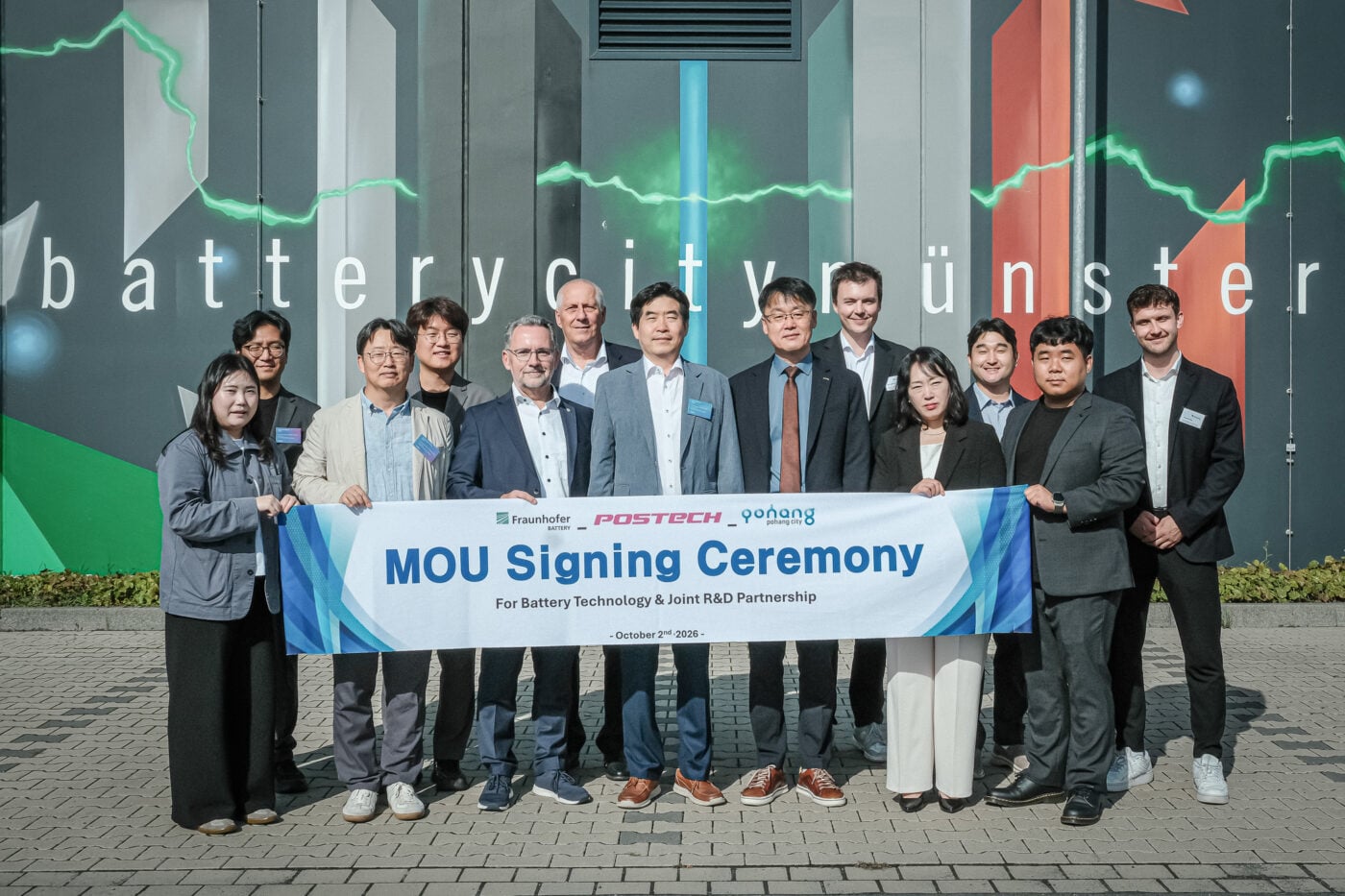
The Fraunhofer Battery Alliance has taken a significant step to deepen its collaborative research with South Korean partners. Two letters of intent were recently signed, outlining plans for joint projects in battery materials, cell manufacturing, and recycling. This builds on the existing partnership that includes the Pohang University of Science and Technology (POSTECH) and the city of Pohang, which was first solidified earlier this year through a memorandum of understanding in Münster.
The signing ceremony brought together key figures, including Prof. Dr. Jens Tübke from Fraunhofer, Prof. Sang Min Lee from POSTECH, and Mr. Jong Myung Moon representing the city of Pohang. Their presence underscores the mutual commitment to advancing battery technology—a critical component in the global shift toward electrification.
By combining Fraunhofer’s extensive applied research expertise with POSTECH’s academic strength and Pohang’s industrial ecosystem, the collaboration aims to accelerate innovation across the entire battery value chain. From developing advanced materials to optimizing production processes and establishing efficient recycling methods, the projects could have far-reaching implications for Europe and Asia alike.
This expansion arrives at a time when demand for high-performance batteries is soaring, driven by electric vehicles and renewable energy storage. Europe and South Korea are both racing to secure a competitive edge in this strategically vital sector. The partnership not only pools resources but also fosters knowledge exchange that can help overcome common challenges such as raw material scarcity and manufacturing scalability.
While the letters of intent set the stage, concrete project details and timelines are expected to follow in the coming months. The alliance’s move signals a long-term vision: building resilient, cross-border research networks that can deliver next-generation battery solutions. As the world transitions to cleaner energy, such international cooperation will be essential to turn laboratory breakthroughs into market-ready technologies.
What do you think?