
France and Germany Agree to Soften the 2035 EV Mandate in Exchange for 'Made in Europe' Rules
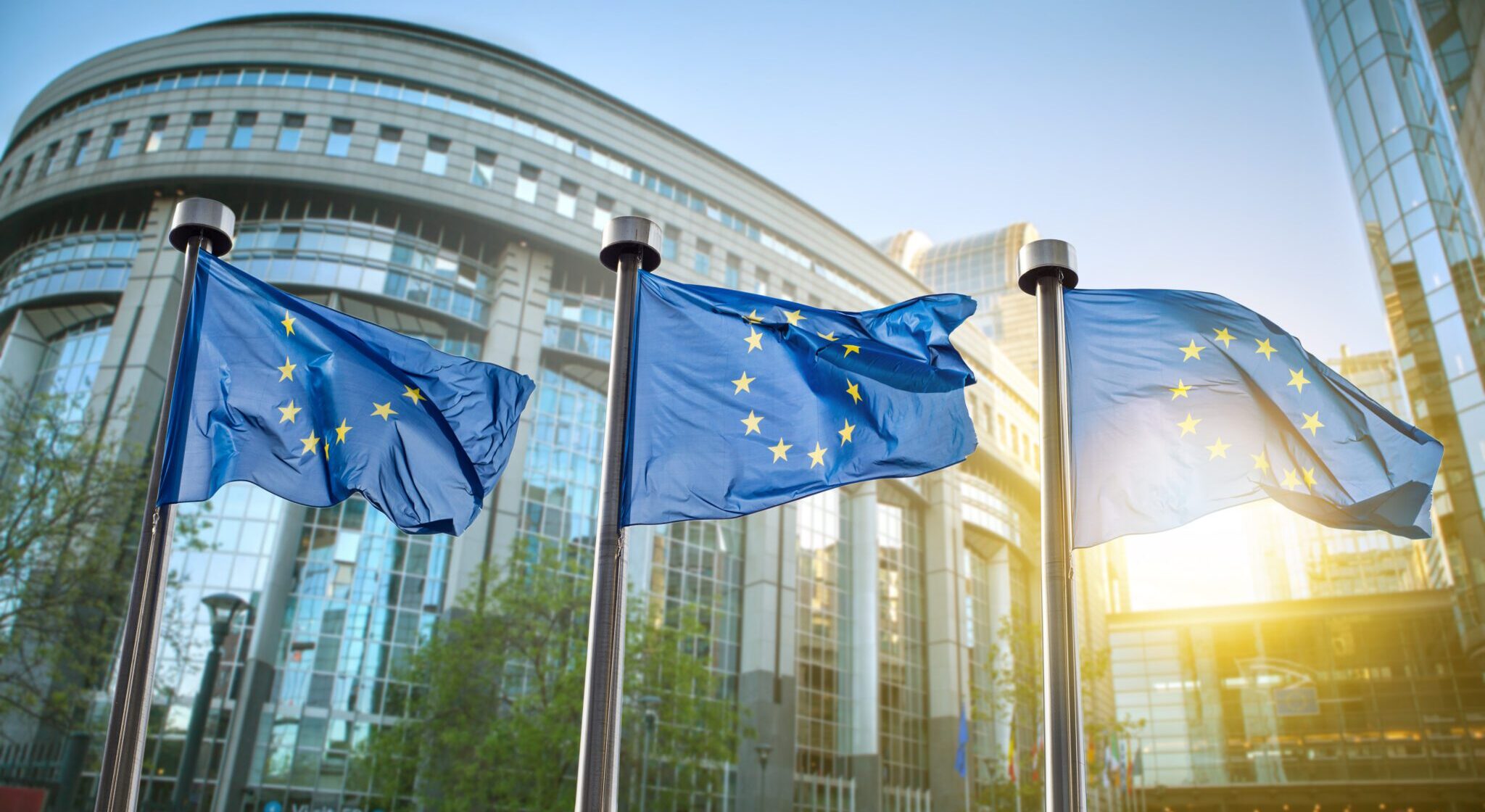
A joint Franco-German proposal struck on the margins of the Brussels EU summit on 16 October would rewrite the bloc’s plan to eliminate tailpipe emissions from new cars by 2035, swapping a full climate-neutrality target for weaker CO2 goals paired with tougher local-content requirements.
Under the accord, manufacturers would need to trim fleet CO2 emissions by 90% versus 2021 levels by the middle of the next decade, with the remaining tenth no longer offsettable through low-carbon steel or renewable fuels as the European Commission had floated in December 2025. Berlin also won softer treatment for plug-in hybrids and non-binding rather than mandatory national fleet targets. “This is an investment signal to industry,” German Chancellor Friedrich Merz said of the arrangement.
In exchange, Paris secured German support for steering subsidies and public procurement toward vehicles whose parts — batteries aside — are 70% European. Just 10% of battery content would have to come from local sources, a threshold that industry group Clepa, which speaks for roughly 3,000 suppliers, called weaker than expected, warning that as many as 150,000 high-skilled supplier roles remain exposed. Batteries are the priciest and heaviest element of an electric vehicle, so a low bar leaves room for cars assembled in Europe to run on predominantly Chinese cells — including those from CATL and Gotion, both of which are expanding into Hungary and Spain.
Non-EU countries such as the UK, Norway, Iceland and Switzerland could gain access if they mirror EU trade defence and investment screening rules. Japan, South Korea and Turkey, where Renault, Toyota, Hyundai and Ford all build vehicles destined for Europe, would be shut out. An Élysée source framed the package as a European preference designed to stop factories from becoming “mere assembly plants.” A separate initiative is meant to encourage smaller, cheaper EVs.
PHEV manufacturers emerge as the clearest beneficiaries. Combined with the EU’s proposed 350,000-unit cap on hybrid imports — potentially effective as early as December — looser PHEV rules would effectively ring-fence one of Europe’s fastest-growing segments for locally built vehicles. Chinese brands already claimed more than a quarter of the EU’s PHEV market in September 2026, and it is the powertrain that premium German marques like Mercedes-Benz and Audi most want to keep offering beyond 2035.
The timing is awkward, since the market is decarbonising regardless. ACEA data show EV sales up 45% in 2026, now 22% of the EU market, helped by record fuel prices tied to the war in Iran; counting PHEVs and conventional hybrids, electrified models exceed two-thirds of sales. “Germany and France are making a historic mistake,” said Transport & Environment’s Anna Krajinska. Renault CEO François Provost defended the industry’s direction: “We invested like hell on EVs. Renault will continue to lead the trend on EVs. At the same time, regulation has to be pragmatic.” For the UK, the deal poses a dilemma — it wants Made in Europe access but is wary of mirroring EU measures against China that could invite retaliation. The proposal still needs member state and European Parliament approval, with a vote scheduled for 23 November.
What do you think?