
Ford Puts Privacy in Writing Ahead of Its Connected EV Wave
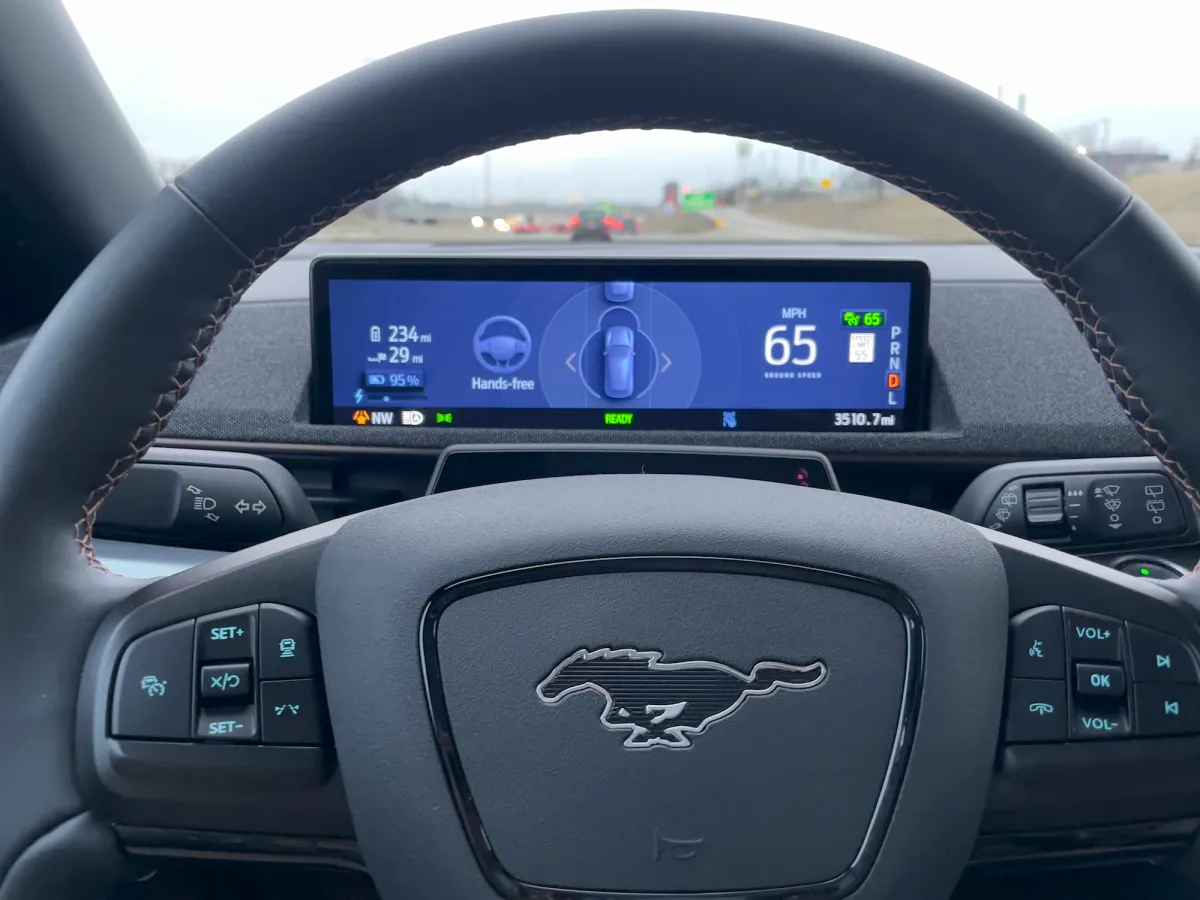
Ford has rolled out a public “privacy promise,” an explicit pledge to safeguard the data its vehicles collect and to give owners a real say over what gets shared. The announcement lands as the automaker gears up to sell a new wave of connected cars, including models built on its upcoming “universal electric vehicle” platform.
Alongside the promise, Ford launched an education-focused website that lays out what data the company gathers, where it goes, and how drivers can flip the switches themselves. Those controls aren’t new — they’ve been in place for years. What’s changed is the messaging.
A Trust Problem the Whole Industry Shares
Automakers are cramming ever more sensors and software into their products, and consumer awareness hasn’t kept pace. Polling cited by Ford found that just 14% of U.S. customers feel they fully grasp what their vehicle collects, even though plenty of them want the connected features that depend on it — remote start, navigation, driver assistance.
That gap has drawn regulatory fire. General Motors ran into trouble with the Federal Trade Commission over quietly selling driver data to third parties, and last week agreed to a $220 million settlement with 36 states.
Ford’s chief privacy officer, Kristin Jones, said the push is about getting ahead of that skepticism rather than reacting to headlines. She pointed to internal survey work showing 91% of 1,000 consumers called data privacy a key consideration. “Realistically, it’s not something they engage with every day, but they want to know that they’re in control,” she said.
The core pledge: Ford says it does not sell information about how customers drive to data brokers, and does not use vehicle data for targeted advertising.
Jones, who joined Ford in 2024 after roughly two decades handling privacy in legal, financial and healthcare settings, described the clearer communication effort as something that has been building for most of her tenure.
What Switching Off Actually Costs
Opting out has consequences, and Ford isn’t hiding them. Kill “connected services” and real-time navigation plus built-in roadside assistance go dark. The trade-off is the point — the website exists to explain why each request for data is being made.
- Vehicle health data feeds owners live maintenance alerts, and also supports research and development for future tech.
- Connected services unlock navigation and emergency help, but only while switched on.
- Driving behavior data stays out of broker hands, per the company’s commitment.
The timing is deliberate. Ford is preparing to ship vehicles that lean harder on connectivity than anything it has built before, and a privacy framework explained in plain language is cheaper to establish now than to defend later. Rivals are watching the same playbook — Slate Auto, the Bezos-backed EV startup, has been marketing itself on data stewardship ahead of its pickup launch.
Whether a promise on a website changes buyer behavior is another question. But Ford is at least betting that saying it out loud beats staying silent.
Photo: Ford / TechCrunch - Transportation · Official Press Kit / Editorial (Editorial / Press Kit)
Source: TechCrunch - Transportation
What do you think?