
Ford CEO Says Next-Gen EVs Will Use Software to Catch Assembly Errors Before They Happen
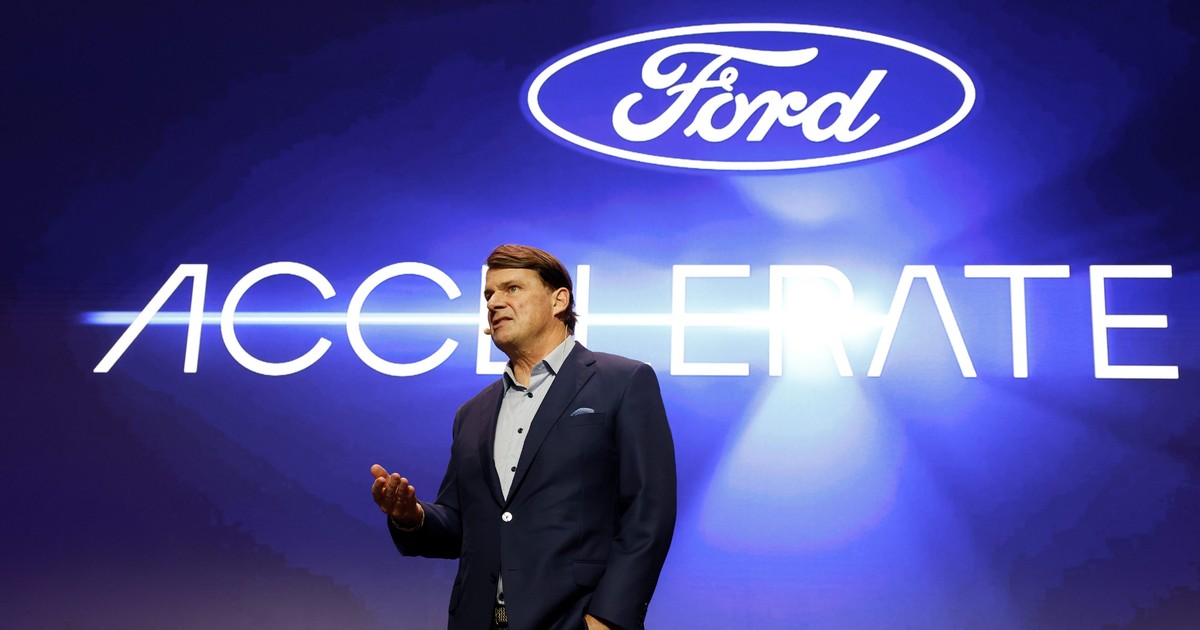
Ford’s chief executive is pointing to a shift in how the company’s next wave of electric vehicles will be built, saying software will play a much larger role in catching problems on the line before they become costly defects. The idea is that the vehicles themselves, packed with sensors and connected systems, can flag inconsistencies during assembly rather than leaving them for end-of-line inspections or, worse, warranty claims down the road.
The approach reflects a broader change in automotive manufacturing, where software-defined vehicles are not just about over-the-air updates and infotainment features but also about quality control. By monitoring data generated during production, automakers can spot anomalies in real time and correct them quickly. That could reduce rework, cut costs, and improve the consistency of vehicles rolling off the line.
Ford has been under pressure to make its EV business profitable as it invests heavily in electrification while facing intense competition from Tesla and a growing field of Chinese manufacturers. Any gains in manufacturing efficiency matter, because building electric cars at scale still costs more than producing comparable combustion models. Smarter assembly checks are one lever the company can pull to narrow that gap.
The comments also hint at how traditional automakers are trying to differentiate themselves from newer rivals. Instead of competing only on range or charging speed, legacy manufacturers are leaning on decades of production experience, now combined with connected-vehicle data, to deliver more reliable products. Whether that translates into a meaningful advantage will depend on how quickly these systems are deployed across Ford’s upcoming EV lineup.
For now, the message is clear: the next generation of Ford EVs will be as much a manufacturing story as a product one. How well the company executes on that promise could shape its standing in an increasingly crowded electric market.
What do you think?