
Flood-Damaged Truck? The Paperwork Buyers Need Before You Ask for Quotes
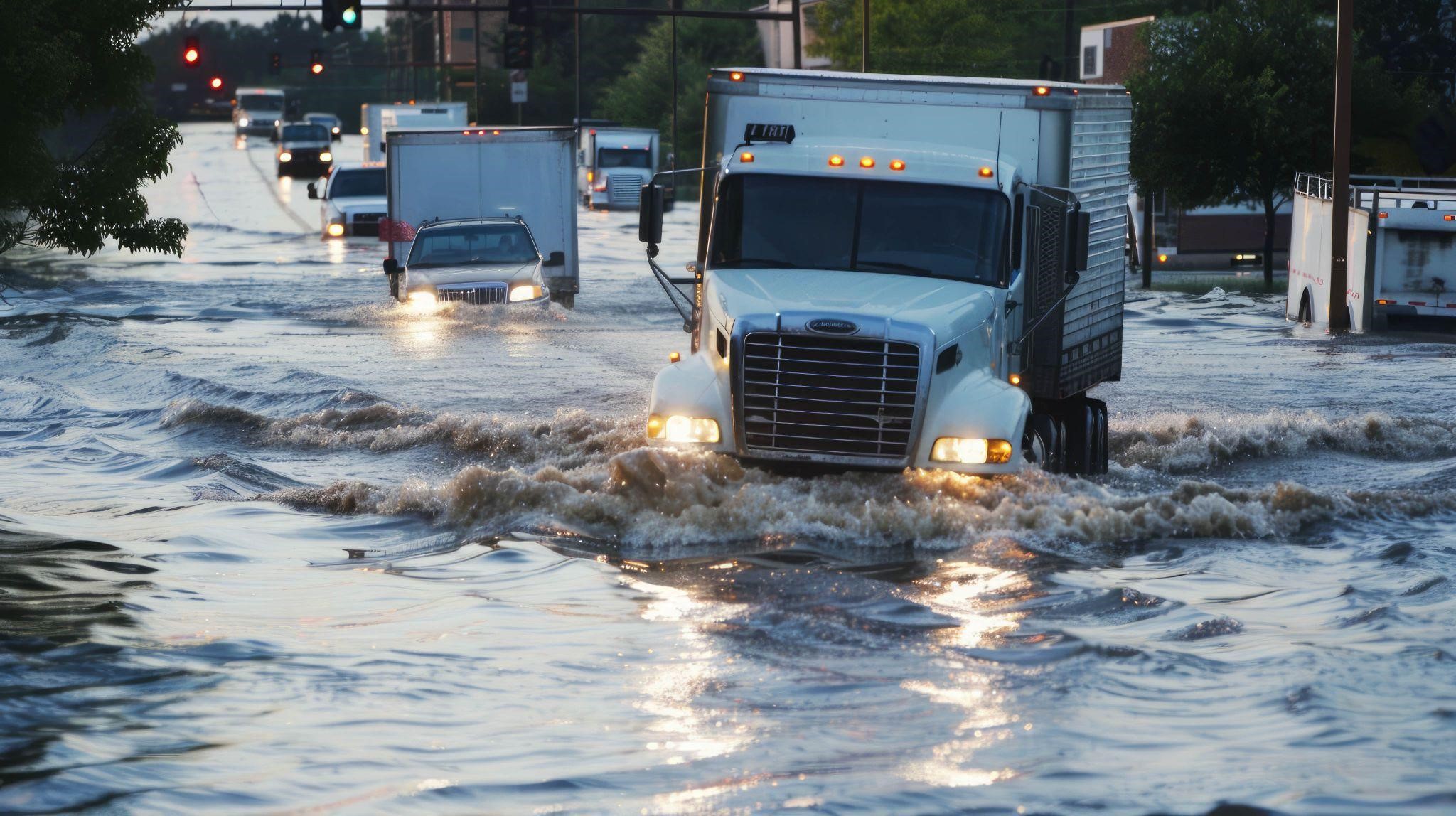
When floodwater recedes, it often leaves more than a muddy stain behind — it leaves a truck whose real condition is invisible to anyone who might buy it. In a city like Houston, where flooding is a recurring reality, owners of water-damaged pickups frequently jump straight to collecting offers.
That instinct is understandable, but every quote is only as reliable as the facts the seller supplies. A bit of groundwork before the first phone call can prevent days of back-and-forth and keep an offer from being discounted purely out of caution.
Mark the water’s reach — Before cleanup, note the height of the tide line measured from the ground and which body panels it crossed. Whether the water stopped at the carpet or climbed into the wiring and air intake changes a truck’s value dramatically. Capture the timeline and water type — Record roughly how long the water sat above the floorboards and what kind of water it was — rain runoff, bayou overflow, or anything that could have carried salt or fuel. Photograph before you touch anything — Shoot all four exterior corners, then every door opening, seat, pedal, and the dash with the tide line visible. Peel back a carpet corner to show the padding and floor pan, and take close-ups of the air filter box, fuse panel, battery area, and any electronics such as power seats or an infotainment screen. Assemble the paperwork — Gather the title, any lien release, insurer letters including the adjuster’s estimate, and receipts for towing, storage, drying, or cleanup. In Texas, flood damage severe enough to be classified as salvage or non-repairable must carry a flood-branded title before ownership can transfer, per the Texas Transportation Code; insurers typically handle this after a total-loss payout, but an owner who kept the vehicle or lacked coverage may need to apply through the state DMV. Other states have comparable rules. Compress it into one page — Put year, make, model, mileage, and VIN at the top, followed by flood details, title status, and a link to the photo folder — plus a plain statement of whether the truck starts and what the insurer decided.
A flood-damaged vehicle is a trust problem as much as a mechanical one. Buyers cannot test-drive it, start it, or verify the odometer the way they would a normal used truck, so they price in risk — and gaps in the seller’s account get filled with worst-case assumptions that come straight out of the seller’s pocket. Whether the buyer is a salvage yard, a private party, or a service advertising fast truck sales, the same core facts get requested.
A single honest summary does triple duty: it shortens the quoting process, creates a written disclosure record that makes later claims of hidden damage harder to sustain, and lets every bidder work from identical information so offers can be compared fairly. With that folder ready, several quotes can be requested in a single afternoon — and the sale can close knowing the buyer saw the truck as it truly is.
Source: Clean Fleet Report
What do you think?