
Fleet Telematics Turns to Private Wireless Networks to Close Connectivity Gaps
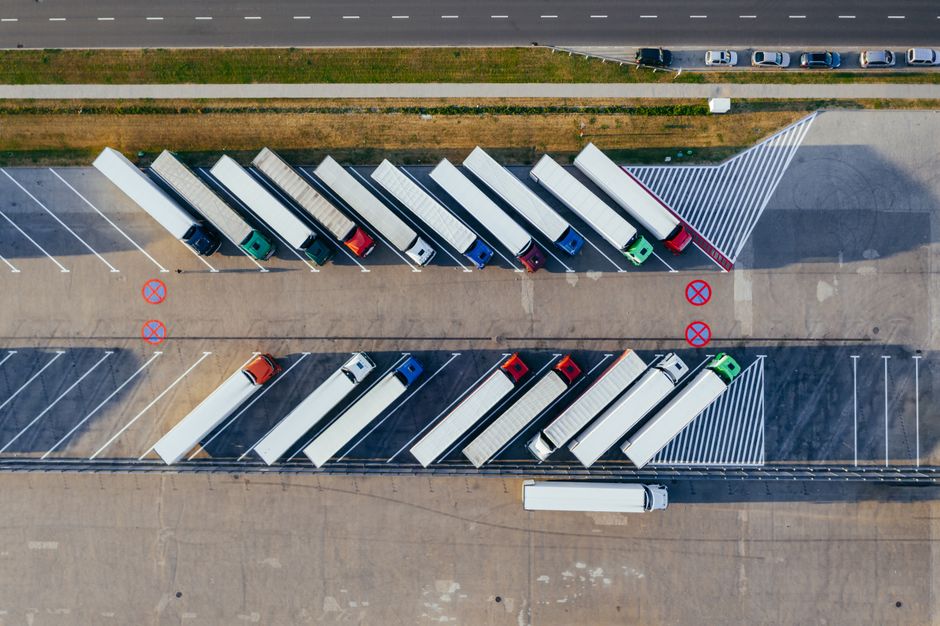
Commercial fleets running long-haul trucks, delivery vans and heavy equipment depend on constant visibility into diagnostics, engine data and driver behavior — but the public cellular networks those operations typically rely on were never built with machine-to-machine traffic in mind. Consumer plans prioritize voice and video, so when congestion builds near cities, diagnostic pings from trucks can arrive late or vanish entirely. That mismatch is pushing fleet platforms toward dedicated wireless infrastructure layered directly into their telematics architecture.
Rural corridors are where the problem bites hardest. A single-carrier deployment often hits dead zones between states, leaving high-value freight untracked and safety monitoring offline. Multi-carrier access changes that: hardware can hand off to whichever network is strongest at any given moment, and traffic is routed through private access point names that keep operational data off the public internet. Direct carrier agreements also let telematics units use secondary networks without triggering steep roaming charges. According to Straits Research, the mobile virtual network operator segment accounted for a 57.83% market share in 2025, a sign of how heavily businesses lean on flexible virtual operators for tailored connectivity.
Hardware maintenance is the other long-standing headache. Swapping physical SIM cards across hundreds of vehicles consumes thousands of shop hours and takes trucks out of service. Embedded SIM technology sidesteps that entirely through over-the-air profile provisioning, letting operators push configuration updates remotely. Many fleets now run dual-profile eSIMs that hold primary and backup carrier connections at once, so a regional outage triggers a switch to another network in milliseconds rather than a lapse in safety broadcasts. Omdia projects global MVNO subscriptions will grow at a 3.6% annual rate through 2029, reflecting steady adoption of these specialized arrangements.
Driver safety monitoring raises the bandwidth stakes further. Video dashcams, collision sensors and telematics units generate dense streams of data, and weak connectivity causes dropped frames that delay automated alerts exactly when they matter most. Dedicated IoT bandwidth carves out priority channels so collision warnings transmit promptly, managers can pull clear dashcam footage on demand, and fatigue or erratic driving patterns surface in real time at control centers.
Scaling is the final piece. Software-defined provisioning means adding trucks or specialized trailers to a custom network requires no physical re-engineering, and unified billing pools data across thousands of vehicles so overages on one truck are absorbed by shared allocations. That continuous connectivity underpins predictive maintenance schedules and automated compliance reporting, giving transport operators firmer control over both asset visibility and operational safety as their fleets grow.
What do you think?