
Fastned Posts Strong Q3 Charging Revenue as Network Build-Out Speeds Up
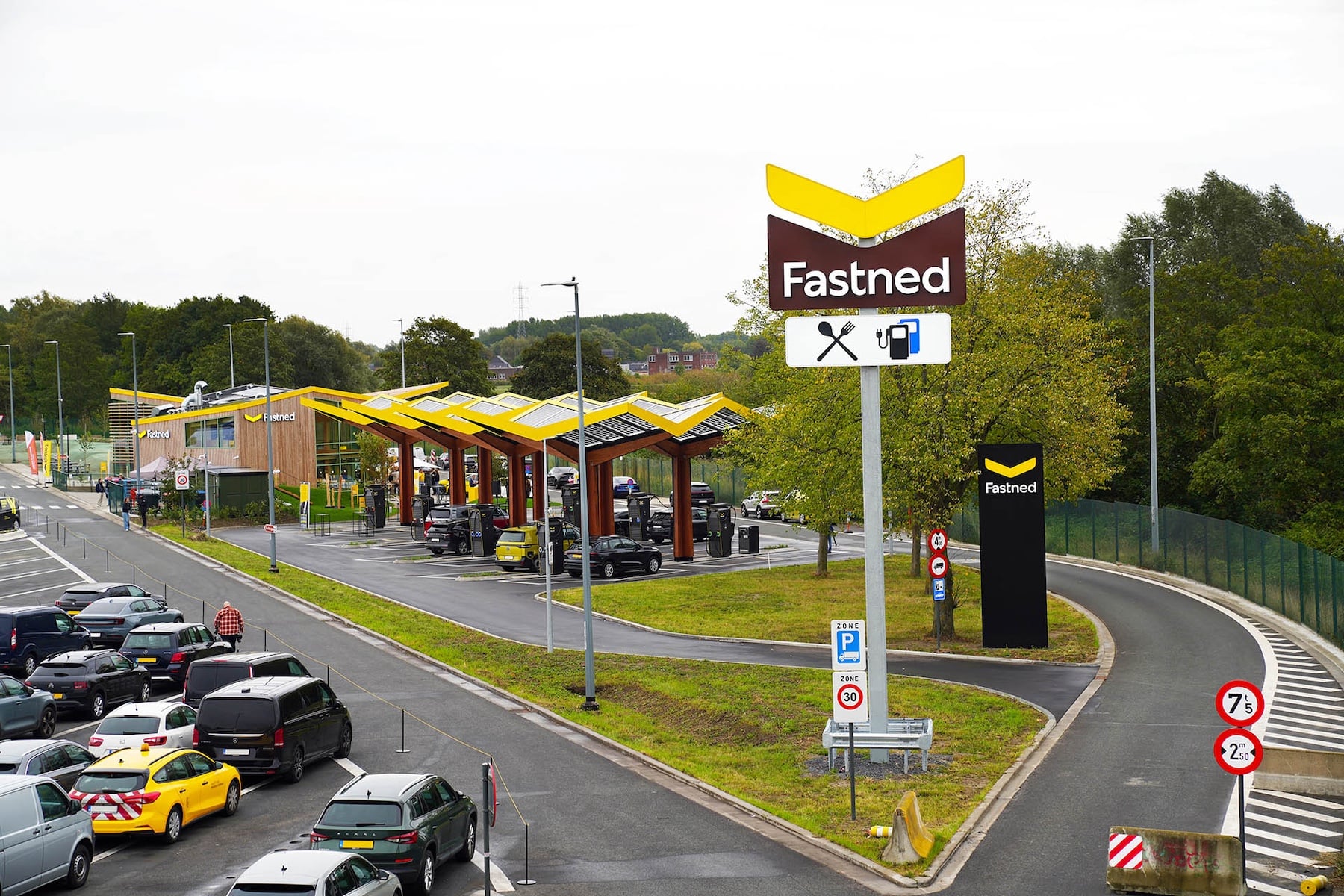
Fastned has reported a sharp rise in charging revenue for the third quarter of 2026, a period in which the Dutch fast-charging operator also pushed ahead with an unusually aggressive expansion programme.
The company booked €51.3 million in charging revenue for the quarter, though that headline figure is flattered by a one-off accounting quirk: €5.1 million of it comes from Dutch e-credits that economically belong to the first quarter but were only transferred in Q3 after the government portal handling them was temporarily shut. Stripping that out, Fastned’s underlying charging revenue came to €46.3 million — a 47 per cent improvement compared with the same period a year earlier. Gross profit climbed 44 per cent year on year to €37 million, a figure the e-credit timing effect did not touch.
Existing sites are also doing more work. Organic charging volume grew 27 per cent in the quarter, roughly tracking the 29 per cent growth of the battery-electric fleet across Fastned’s markets, and the annualised average energy throughput per station reached 596 MWh. Holiday travel gave revenue per location an extra lift: since January, the annualised figure has averaged €395,000, near the top of the €350,000–€400,000 range the company has guided for the full year.
On the construction side, Fastned brought 17 new stations online during the quarter and signed agreements covering 26 further high-traffic sites. Another 65 stations are currently being built — close to double the number under construction twelve months earlier. Management is holding its full-year guidance, targeting 70 to 100 new openings by the end of 2026 and a network of 476 to 506 locations, alongside an operating EBITDA margin of roughly 45 per cent. In Germany, where 17 stations have so far been built under the state-backed Deutschlandnetz tender programme, Fastned is closing in on 70 sites; the tenders matter as much for the motorway and densely populated locations they unlock as for the public support attached to them. Belgium now hosts 60 Fastned stations, including the new Libin Galaxia site in Wallonia with twelve charging points delivering up to 400 kW, while in France the company has opened its first own kiosk, in Thionville-Yutz, to test how a retail offering performs at locations with little existing amenity. Fastned is also chasing utilisation growth on the demand side: a September partnership with the Dutch mobility association ANWB puts the brand in front of more than 600,000 Charge Card users, who get a 10 per cent discount at Fastned stations across Europe.
All of this remains capital-hungry. Total liabilities stood at €514.6 million at the end of the first half, up from €409.8 million at the close of 2025, and the company invested €44.7 million in network expansion during H1 while still posting a €13 million loss. Debt is doing much of the heavy lifting: a second 2026 bond issue raised €36.5 million from private investors, bringing retail bond proceeds to roughly €337 million by the end of June, with those notes carrying 6 per cent interest and a five-year repayment horizon. Earlier Fastned disclosures put the average cost of a new station at about €892,000, covering charging hardware, grid connection, transformer equipment and the company’s signature solar canopies. A third retail bond of 2026 opened in Q3 and runs until 30 October to fund further growth. The takeaway is a familiar one for the sector: Fastned is expanding quickly on volume, revenue and site count, but the bill is steep and largely debt-financed — making future progress as much about lifting utilisation at existing stations as about how many new charging parks it can build.
What do you think?