
Farley Warns Europe Can't Halt Chinese Automakers as US Tariffs Offer No Shield
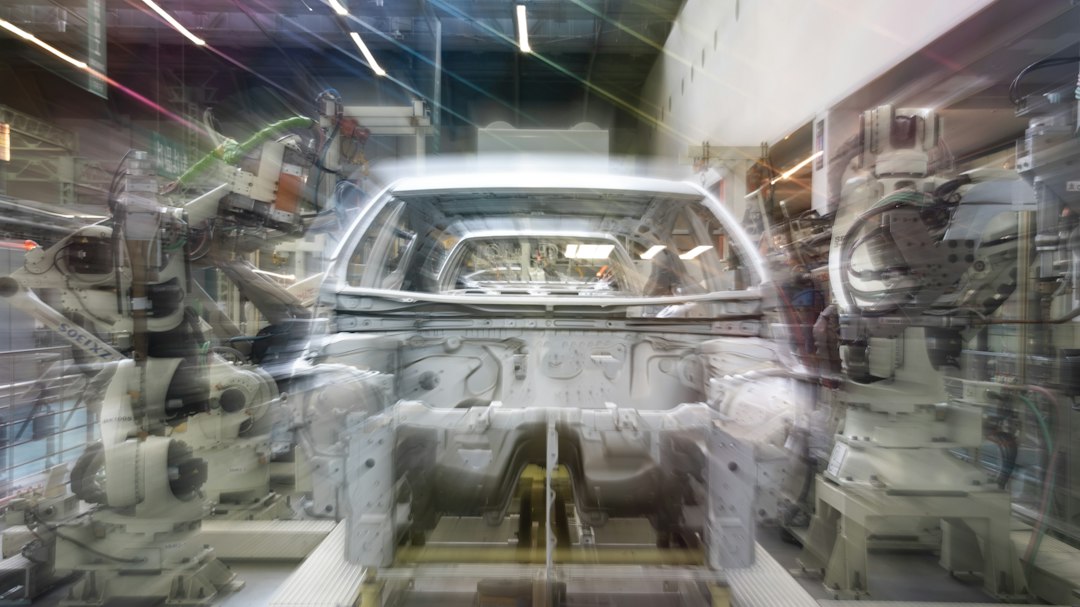
Ford CEO Jim Farley is warning that European regulators are effectively powerless to slow the advance of Chinese automakers, and that America’s own barriers to Chinese vehicle imports may not be enough to protect Detroit’s legacy manufacturers either. His comments land at a moment when Chinese brands are expanding aggressively beyond their home market, and when Western policymakers are leaning on tariffs and import restrictions as their primary line of defense.
Farley’s argument is that blocking vehicles at the border treats a symptom rather than the underlying competitive advantage. Chinese manufacturers have built cost structures, battery supply chains and development cycles that allow them to undercut established players on price while still refreshing products at a pace Western rivals struggle to match. Europe, with its open market and strict emissions rules that favor electrification, has proven especially vulnerable to that combination — and Farley suggests there is no regulatory lever that reverses it.
For Detroit, the implication is uncomfortable. Import bans can delay the arrival of Chinese vehicles on US roads, but they cannot stop the same companies from competing globally, from setting cost benchmarks, or from eventually finding routes into the market through local production, partnerships or new brands. Insulation bought through trade policy, in Farley’s framing, is temporary rather than structural.
His remarks also carry a message for the industry’s own housekeeping. If tariffs are the only thing standing between legacy automakers and Chinese competition, then the real work lies in cost reduction, faster product cycles and battery sourcing — areas where Ford and its peers have been spending heavily but where progress is measured in years, not quarters. Farley has repeatedly positioned himself as a candid voice on Chinese competitiveness, and this latest warning fits that pattern.
The wider stakes are geopolitical as much as commercial. Tariffs and import bans are decisions made in capitals, not boardrooms, and they can shift with elections, trade negotiations and diplomatic disputes. Automakers that build their strategies around that protection risk being caught out if the policy environment changes. Farley’s warning is, in effect, that the competitive gap will have to be closed on the factory floor rather than at the negotiating table.
Photo: Lilian Do Khac on Unsplash (Unsplash License)
What do you think?