
F1 Bahrain Race Stalled by Software Glitch: A Reminder That Code Can Halt the Grid
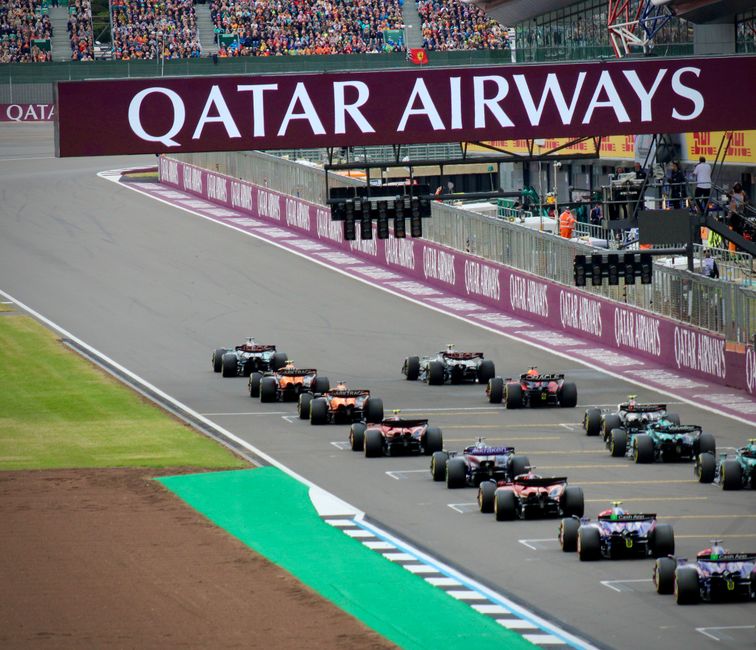
A Formula 1 race weekend in Bahrain was thrown into chaos when a software bug knocked out half the starting field before the lights could even go out. According to reports, the issue forced officials to reboot the entire race system, delaying the start and raising fresh questions about the sport’s growing reliance on complex digital infrastructure.
The problem struck during the critical pre-race sequence. Multiple cars were unable to connect to the central race control software, leaving teams and stewards scrambling for a fix. With nearly half the grid affected, the only viable solution was a full system restart—an unusual step that highlights how deeply software now governs modern motorsport, from hybrid power unit management to timing and telemetry.
While the exact cause of the bug remains under investigation, the incident underscores a broader trend across the automotive world: as vehicles become increasingly software-defined, so do the systems that control them. Formula 1 cars are already among the most advanced computers on wheels, with hundreds of sensors and millions of lines of code managing everything from energy recovery to brake balance. When that code fails, even a world-class racing operation can be brought to a standstill.
The delay also raises practical concerns for race organizers. A mid-race software failure could have far more serious consequences than a delayed start, potentially affecting safety systems, marshalling communications, or the accuracy of results. F1’s governing body has invested heavily in standardizing electronic systems in recent years, but Sunday’s glitch shows that no amount of preparation can fully eliminate the risk of a digital fault.
For the automotive industry at large, the Bahrain episode serves as a cautionary tale. As automakers push toward over-the-air updates, advanced driver assistance, and eventually fully autonomous features, the lessons from F1’s grid-wide reboot will resonate far beyond the paddock. Software reliability is no longer a back-office concern—it is a core performance and safety issue, whether on a racetrack or a public highway.
What do you think?