
EV Demand Is No Longer the Question — Europe's Fight Is Now About Where Cars Get Built
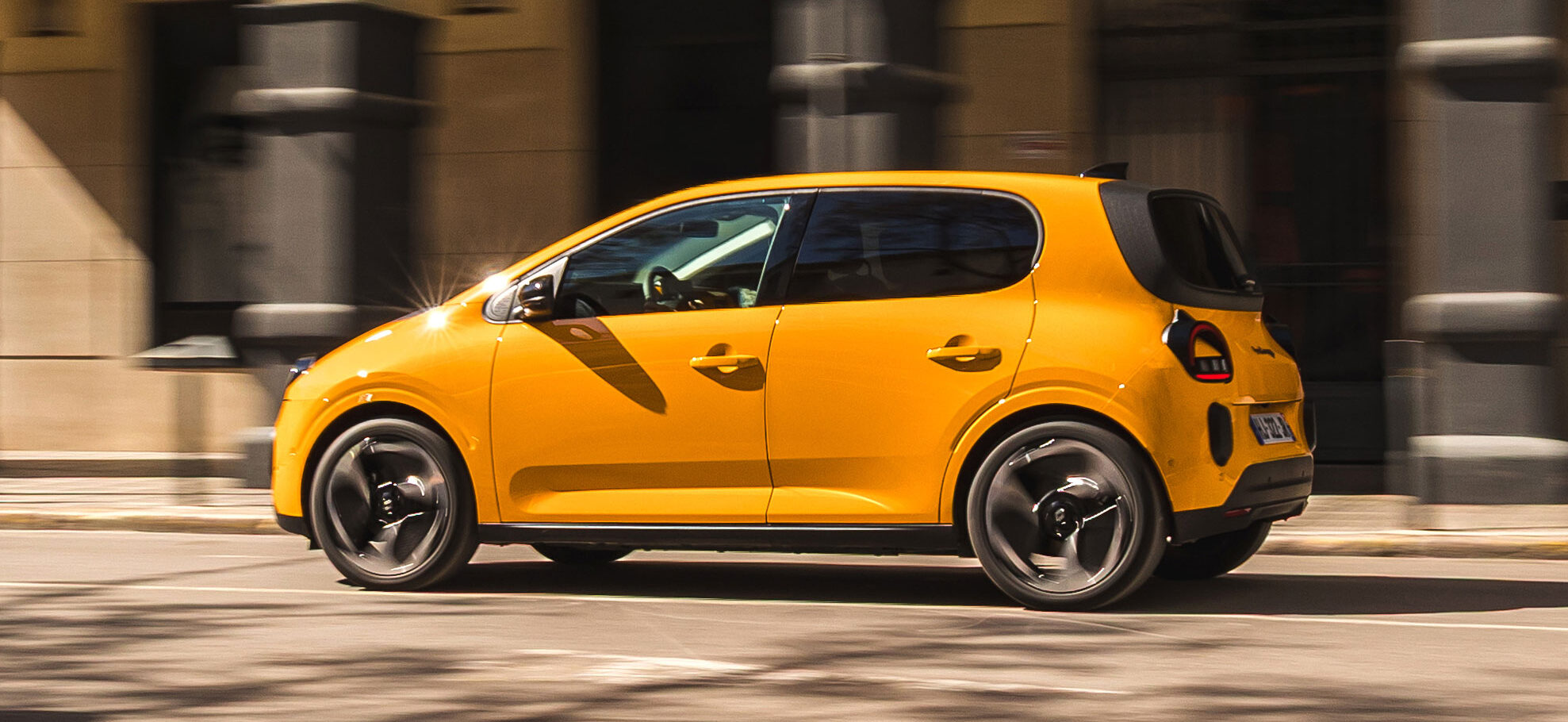
Europe’s electric vehicle market has crossed a threshold that changes the entire conversation. According to Automotive World’s Industry Pulse Intelligence Brief, record EV sales across the continent have pushed the central question away from consumer appetite and toward something far more political: where those vehicles are actually assembled. Trade and industrial policy, much of it aimed squarely at China, is quietly redrawing the map of global auto manufacturing.
The implications of that shift are hard to overstate. For years, the debate in Brussels and national capitals centered on whether buyers would embrace electric cars quickly enough to justify ambitious emissions targets. That argument now looks settled in Europe, where demand has proven robust enough to set records. The new friction point is localization — which factories get the volume, which regions capture the jobs and investment, and how governments use tariffs and incentives to steer the outcome. Because the policies are largely designed with Chinese producers in mind, they ripple well beyond Europe’s borders, affecting supply chains and production strategies from Asia to North America.
The brief also captures a broader structural milestone in the global market: pure internal combustion vehicles fell below half of worldwide new vehicle sales for the first time. Reaching that point signals how thoroughly the balance of the industry has moved away from conventional gasoline and diesel powertrains, even as the specific mix varies sharply by region.
At the company level, two developments stand out. Volvo Cars has withdrawn its full-year guidance after a collapse in Greater China sales, a stark reminder of how exposed even well-established brands are to weakness in the world’s largest auto market. Separately, Porsche has outlined plans to bring its break-even point below 200,000 units, a sign that the German performance marque is rethinking the scale it needs to stay profitable. Together, these moves illustrate a sector navigating uneven demand, trade barriers and cost pressures all at once.
Taken as a whole, the week’s developments point to an industry where the strategic questions have matured. Whether customers want electric cars is increasingly taken as given. What remains unsettled — and what will shape investment decisions for years — is where those cars will be built, who will be allowed to sell them, and how quickly manufacturers can adjust their cost structures to survive the transition.
What do you think?