
Europe's Energy Security Could Be Charging in Your Garage Right Now
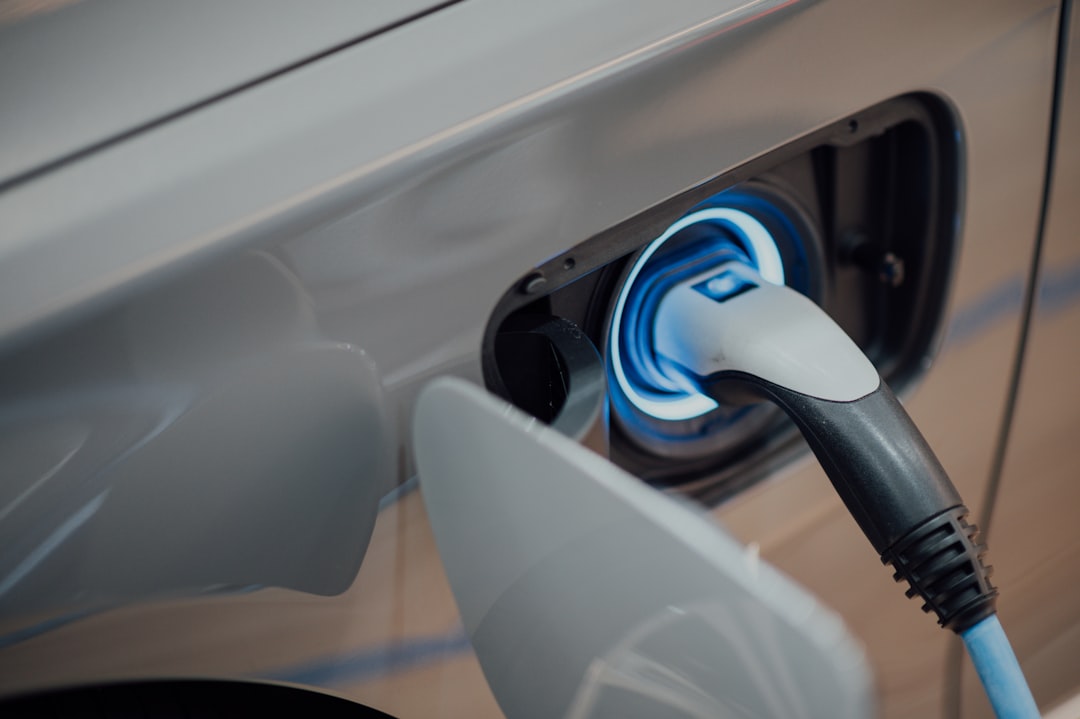
Europe’s energy landscape is increasingly fragile, marked by drought-induced hydropower shortages, wild price swings, and deepening geopolitical dependencies. While policymakers scramble for large-scale infrastructure fixes, a quieter, decentralized solution is already parked in millions of driveways: the batteries of electric vehicles. Thomas Raffeiner, founder and CEO of The Mobility House, argues that these idle power reserves represent a largely untapped resource for grid stability.
Bidirectional charging—where an EV can not only draw power but also feed it back to the home or grid—transforms a parked car from a mere consumer into a flexible energy asset. When paired with smart software, a fleet of EVs can act as a virtual power plant, cushioning demand peaks, absorbing surplus renewable energy, and even providing emergency backup during outages. For Raffeiner, the vehicle-to-grid paradigm is not a distant prospect but a pragmatic tool that should be scaled now.
The challenge lies not in technology but in coordination: utilities, automakers, and regulators must build frameworks that reward drivers for sharing their battery capacity. Tariffs that incentivize off-peak charging and peak-time discharging would unlock enormous value for both the grid and car owners. As Europe’s energy woes intensify, the conversation should shift from building more power plants to smartly managing the storage capacity we already own.
What do you think?