
EU Sets 350,000 Cap on Chinese Hybrids but Leaves the Door Open for Local Plants
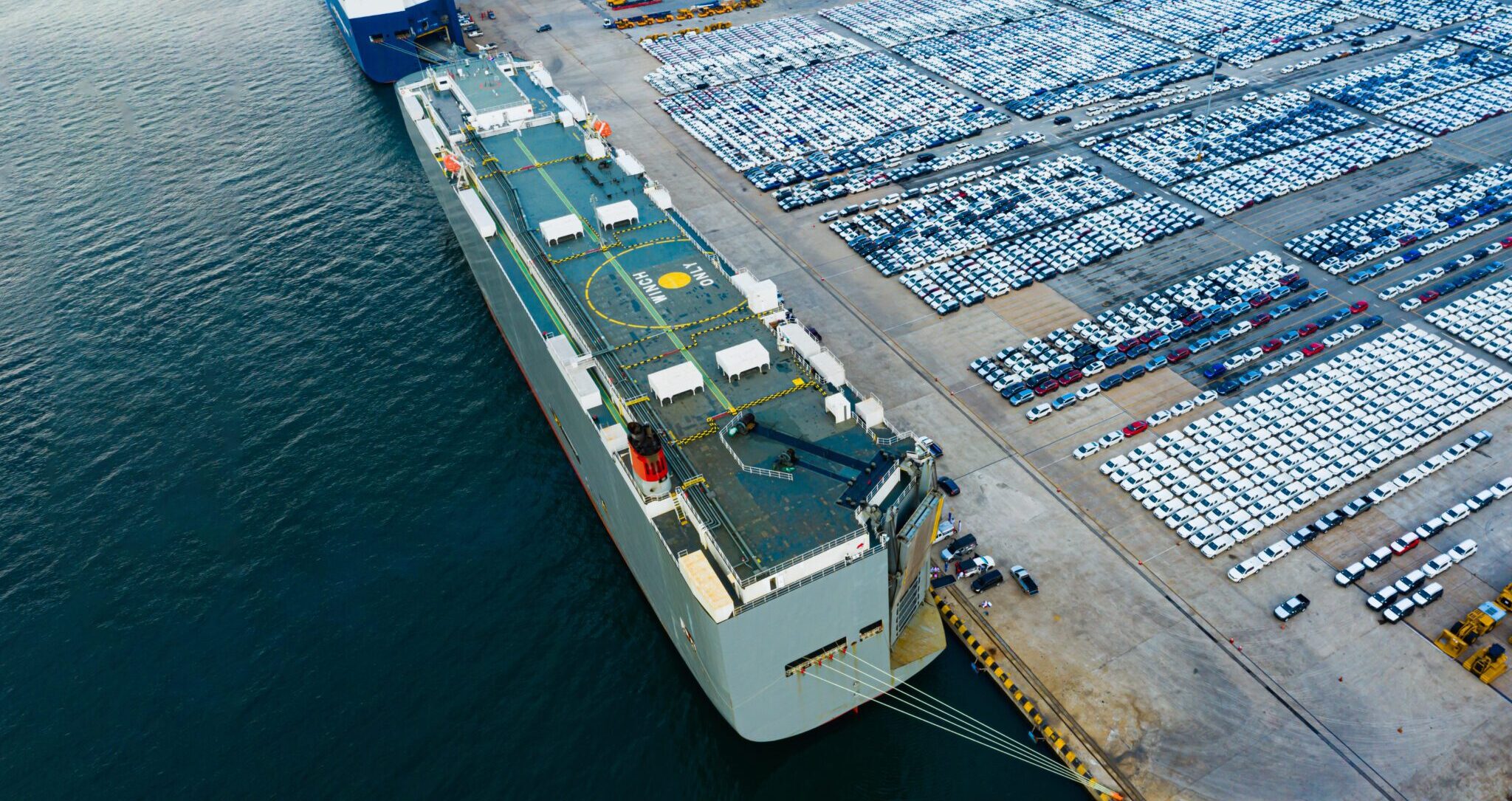
Brussels is preparing to limit imports of Chinese-built hybrid and plug-in hybrid cars to 350,000 units annually, with the measure potentially taking effect as soon as 1 December. That figure sits at less than half of the roughly 800,000 Chinese hybrids expected to reach EU soil during 2026, according to a document reviewed by Bloomberg. Crucially, Chinese-brand vehicles assembled within the EU would fall outside the quota entirely — a design choice that makes the policy as much an industrial localisation strategy as a trade barrier.
The numbers behind the decision are striking. Chinese hybrid imports are on track to hit 800,000 units this year, up sharply from 300,000 in 2025, and the value of China’s hybrid exports to the EU tripled to €6.7bn in the first half alone. According to ACEA data, Chinese brands claimed 25% of the EU plug-in hybrid market and 14% of the conventional hybrid segment in H1 — both up from just 2% in 2024. Against that backdrop, the quota is designed to rise by 6% annually starting in its second year and would remain in force for four years. One EU official estimates the cap could trim 2027 imports by 500,000 to 700,000 vehicles and shrink the bloc’s trade deficit by €10bn to €14bn.
What the EU is invoking is the WTO’s safeguard instrument, which carries a significant procedural advantage: it does not require proof of unfair subsidies and can be applied at speed. The mechanism also reaches beyond China by design. Because WTO non-discrimination rules apply, the safeguard covers hybrid imports from all sources, with exemptions only for the European Economic Area, Ukraine, Kenya and small developing exporters. That produces a curious asymmetry: hybrids built in China by European automakers count against the quota, while cars built in Europe by Chinese brands do not. Location, not corporate ownership, determines whether a vehicle is treated as ‘Chinese’.
How the cap would actually be enforced remains contested. EU officials told The Guardian that vehicles arriving above the threshold would be held at customs rather than tariffed, while the Financial Times reported a day earlier that steep supplementary duties would apply. The distinction matters enormously — a hard volume cap fixes the ceiling outright, whereas tariffs would simply allow the highest-margin brands to buy their way past it. Beijing has accepted the quota after days of negotiation, but signalled it is not closing the door on further action. China’s Commerce Ministry said the arrangement preserves ‘export space and stable growth’ for Chinese firms, while reserving ‘all rights to resort to dispute settlement and demand trade compensation within the WTO framework’. In exchange, China will drop tariffs on some auto parts and halve duties on goods including olive oil and footwear, covering roughly €4bn of EU exports.
Not everyone in Brussels is convinced the approach addresses the underlying problem. EU Trade Commissioner Maroš Šefčovič framed the deal as a defence of European industry against a playing field ‘distorted by global overcapacity’, but analysts at the European Policy Centre argue the quota cannot touch the weak domestic demand that pushes Chinese factories toward export markets in the first place. The practical effect may therefore be to reprice access to Europe rather than end Chinese presence there. Brands already building locally — such as BYD in Hungary and Chery under its Spanish plans — sit outside the quota, and volumes that cannot fit inside it will likely be redirected to the UK, where Chinese brands took 23% of sales in September and hybrids face no additional duties. Over four years, the measure may end up deciding where Chinese cars for Europe are built, rather than whether they are sold at all.
What do you think?