
EU Commission Greenlights 46 New Raw Material Projects to Strengthen Battery Supply Chains
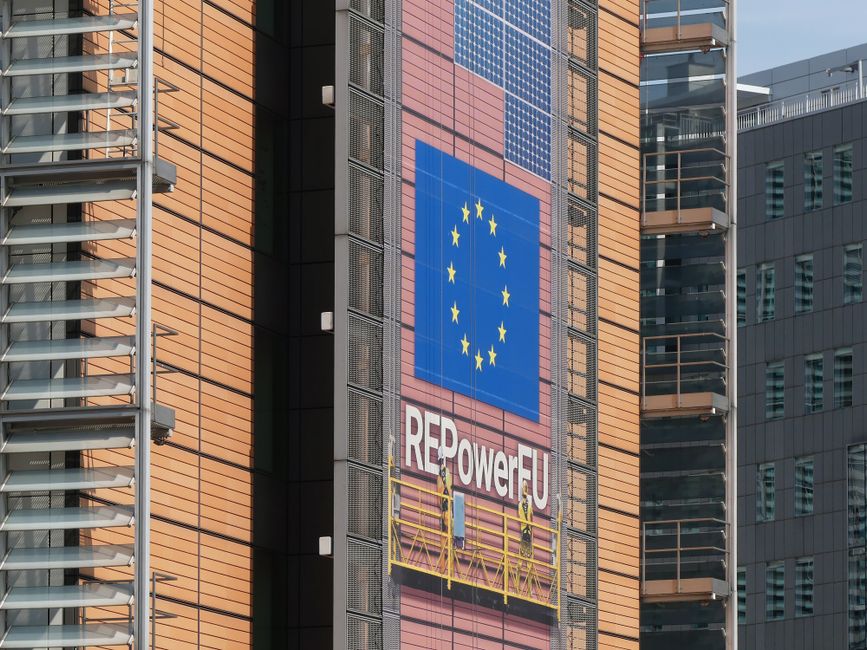
The European Commission has approved a fresh batch of 46 strategic raw material projects, spreading across 16 member states, as part of its ongoing effort to secure critical inputs for the clean energy transition. A significant share of these initiatives centres on lithium, nickel, cobalt, manganese, and graphite—materials that are indispensable to battery manufacturing and, by extension, the continent’s growing electric vehicle industry.
Germany emerged as a notable beneficiary in this round, with eight projects selected. That strong showing underscores the country’s central role in Europe’s automotive and industrial ecosystem, and it signals a deliberate push to anchor more of the battery value chain within the bloc. The chosen projects are expected to cover various stages of the supply chain, from extraction and processing to refining, although the Commission did not disclose specific company names or investment figures in its announcement.
The move forms part of the EU’s broader Critical Raw Materials Act, which aims to reduce dependence on external suppliers and diversify sourcing. By fast-tracking strategic projects, Brussels hopes to accelerate permitting and attract private investment. For the battery sector, which has faced volatile prices and geopolitical risks, the list offers a measure of policy certainty.
While the Commission did not reveal individual project details, the geographic spread—touching 16 member states—suggests a coordinated attempt to avoid over-concentration and to spread the economic benefits. The inclusion of nickel, cobalt, and manganese highlights the continued relevance of established chemistries, even as some manufacturers explore alternatives like sodium-ion or lithium iron phosphate.
Industry watchers will now look for signs of how quickly these projects can move from selection to production. The EU’s ability to turn raw material ambitions into operational mines and refineries will be a key test of its industrial strategy, especially as global competition for these resources intensifies.
What do you think?