
EU Budget Talks Enter Crunch Phase: What the 2028–2034 Seven-Year Plan Means for Green Spending
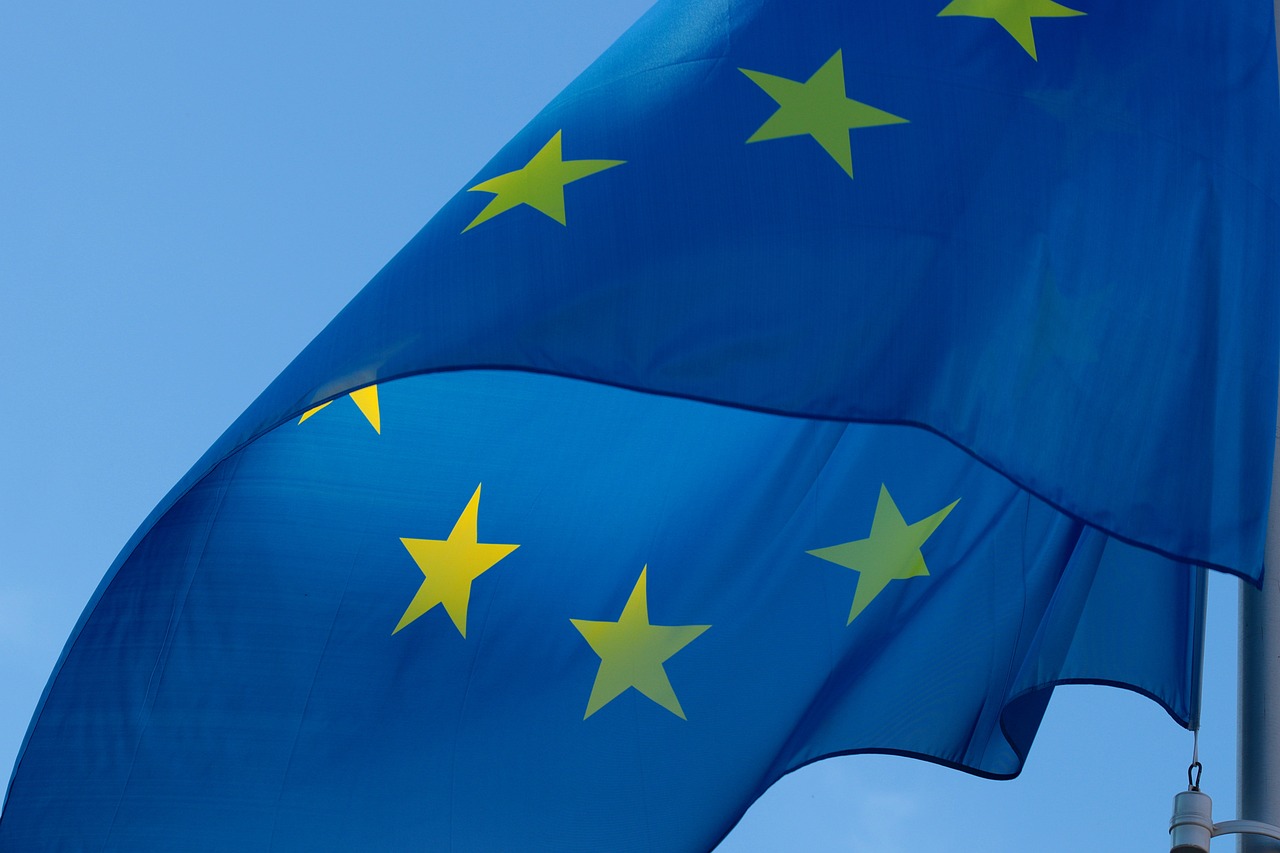
EU heads of state and government are gathering in Brussels for a high-stakes European Council meeting on 15–16 October, where the bloc’s next seven-year budget will dominate the agenda. The talks have reached a critical juncture, with member states hoping to lock in a political agreement before year’s end.
The stakes could hardly be higher: the 2028–2034 framework will define the EU’s spending priorities long after the next European elections, shaping everything from energy security to industrial policy. Yet the most contentious questions—including the overall size of the budget—remain unresolved.
Five leading environmental groups are urging scrutiny of the negotiations. Here are the key flashpoints to watch:
The 35% climate target hangs in the balance — Current negotiating texts propose that at least 35% of EU spending support climate and environmental action. But that figure is far from secure, and the methodology for counting contributions matters enormously. Defence and security outlays are already excluded, and further carve-outs could weaken the commitment. Analysis suggests roughly 8% of the budget could be counted toward the target without delivering genuine climate benefits—effectively lowering the real figure to around 27%.
“Do No Significant Harm” has loopholes — The DNSH principle is meant to prevent EU funds from financing projects that damage the climate or environment. However, exemptions for defence, migration, border management, and military mobility already exist, and draft exclusion criteria contain gaps that could still let fossil fuel projects qualify for support.
Nature funding lacks a ring-fence — The latest text acknowledges biodiversity more prominently, but no guaranteed share of the budget is earmarked for nature. The Commission’s proposal combines climate and environment into one target and drops the dedicated 10% biodiversity goal currently in place. LIFE, the EU’s only programme dedicated to nature and climate, would lose its standalone status—a move that the European Parliament and a broad group of environment ministers have pushed back against.
New revenue sources remain incomplete — Beyond spending levels, the question of where the money comes from is unresolved. The Commission has floated new EU-wide revenue streams, but a permanent tax on fossil fuel industry profits—a measure that could ease pressure on national budgets—is absent from the proposals.
Pressure to shrink the overall budget persists — Some governments continue to push for a smaller budget. Further cuts to the Commission’s proposal would leave even less room for green transition investments, compounding the impact of weakened targets.
The decisions taken in Brussels this week will reverberate across Europe’s economy for a decade. As the continent confronts record heat costs—extreme weather alone could cost the EU an estimated €180 billion in 2026—the budget is a test of whether leaders’ climate rhetoric translates into real investment.
Environmental groups warn that sacrificing ambition for short-term savings will only inflate the bill for future crises. With the European Parliament already backing dedicated funding for nature and a standalone LIFE programme, all eyes are on the Council to see whether leaders will follow suit or quietly let environmental priorities slip down the agenda.
For the automotive and clean energy sectors, the outcome will determine funding for EV infrastructure, industrial decarbonisation, and renewable capacity—investment that companies and consumers alike depend on. How leaders resolve these tensions will signal whether Europe’s long-term budget is a genuine engine of the green transition or a missed opportunity.
Source: CleanTechnica
What do you think?