
EU and China Strike Deal to Cut Chinese Hybrid and PHEV Exports to Europe by Half
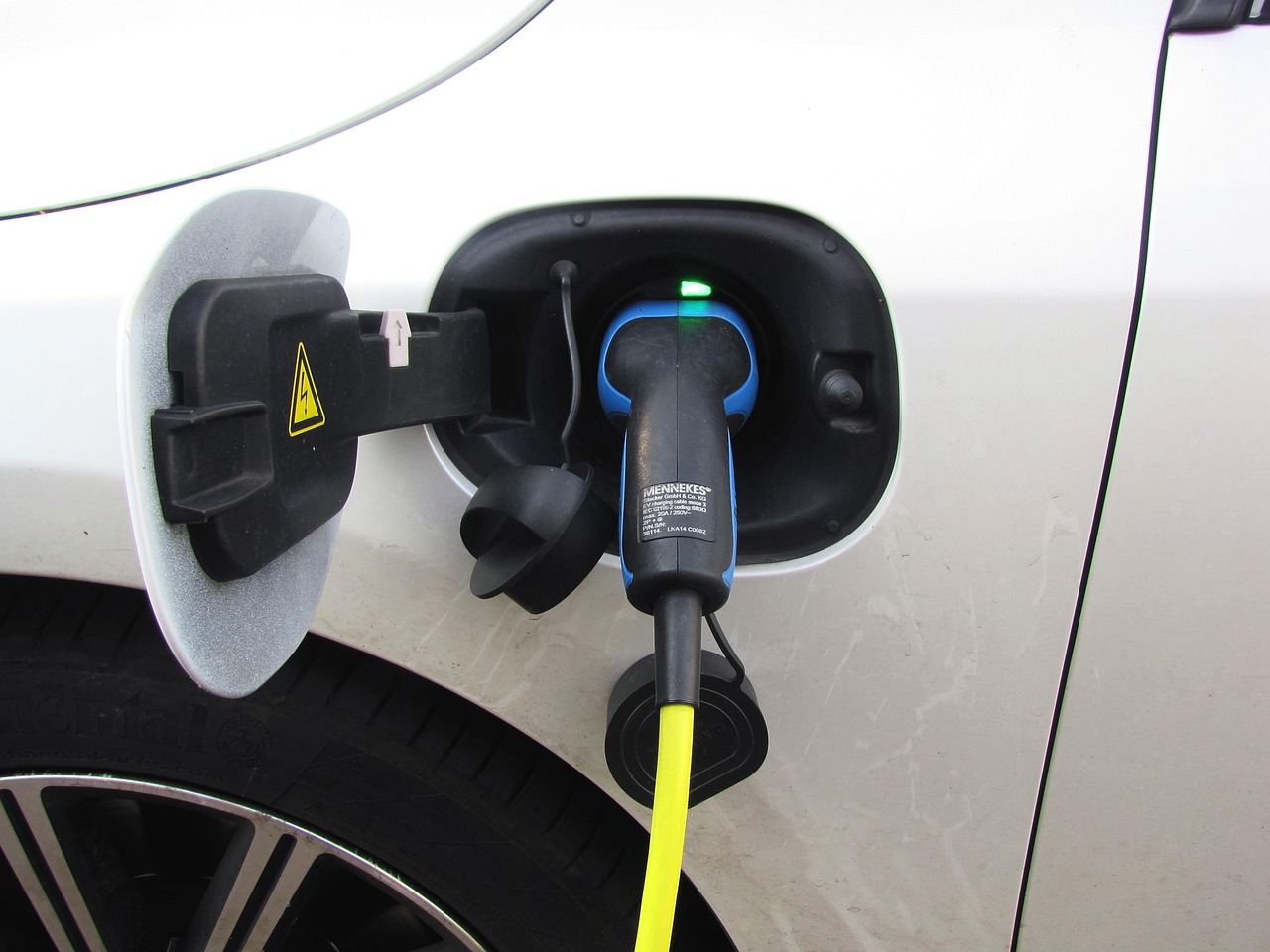
The European Union and China have reached an agreement that will see Chinese exports of hybrid and plug-in hybrid vehicles to Europe reduced by roughly 50 percent, according to Automotive News. The arrangement marks a significant chapter in the ongoing trade tensions between Brussels and Beijing over the flow of electrified vehicles into the European market, and it signals that hybrid powertrains — not just pure battery-electric cars — have become a central point of contention.
The agreement follows mounting pressure from European automakers, who have argued that Chinese manufacturers benefit from state support that allows them to undercut local producers on price. Hybrids and plug-in hybrids have been a particularly sensitive segment because they occupy the space between conventional combustion engines and fully electric vehicles, and demand for them has grown as European buyers weigh range anxiety against tightening emissions rules. By targeting this category specifically, the deal addresses a segment that has expanded rapidly in recent years.
The practical effect of halving export volumes would be felt across the supply chain, from shipping and logistics to dealership inventories. European consumers who have come to rely on Chinese hybrids as a more affordable alternative could see fewer choices and higher prices, while Chinese automakers may need to rethink their European strategies — potentially shifting toward local production or focusing on different powertrain categories. The agreement does not eliminate Chinese hybrid exports entirely, leaving room for continued competition but at a reduced scale.
The timing of the deal reflects a broader recalibration of EU-China trade relations, where tariffs and negotiated quotas have become recurring tools. For European manufacturers, the reduced influx could provide breathing room to accelerate their own hybrid and plug-in hybrid lineups, which many have positioned as a bridge to full electrification. Analysts will be watching closely to see whether the caps are enforced and whether they trigger retaliatory measures or parallel negotiations in other vehicle segments.
What remains unclear is how the reduction will be distributed among Chinese brands and whether individual manufacturers will bear the cuts proportionally. Details on implementation timelines, monitoring mechanisms, and any exemptions have not been fully outlined. For now, the headline figure — a halving of hybrid and plug-in hybrid exports — sets a clear direction: Europe is tightening the door on Chinese electrified vehicles, and the hybrid segment is the first to feel it.
What do you think?