
EPA Questions Whether DEF-Related Engine Derates Are Necessary for Diesel Emissions Compliance
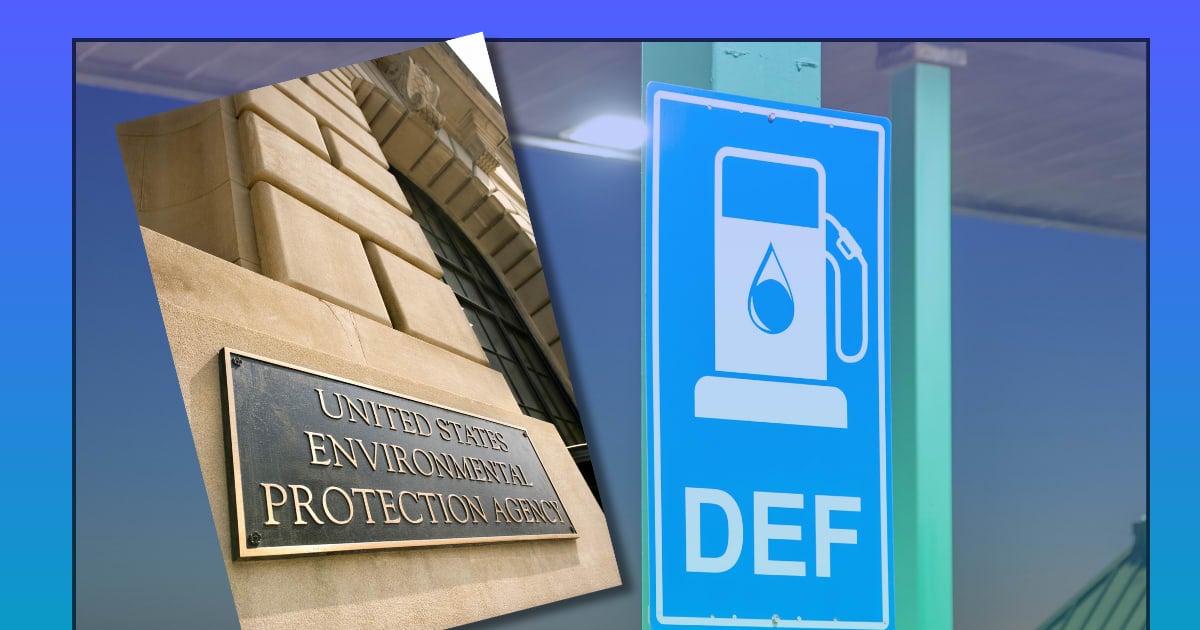
The U.S. Environmental Protection Agency (EPA) is revisiting a long-standing requirement that diesel engine manufacturers derate engines when the Diesel Exhaust Fluid (DEF) tank runs empty. The agency is soliciting input from stakeholders to determine whether such derates are truly essential for meeting emissions standards. This move could mark a significant shift in how diesel emissions compliance is enforced, potentially easing operational burdens on fleet operators and drivers.
Under current regulations, when a truck’s DEF tank is depleted, the engine’s power is automatically reduced—a process known as derating—to prevent excessive nitrogen oxide (NOx) emissions. DEF is a key component in selective catalytic reduction (SCR) systems, which convert NOx into harmless nitrogen and water. Without it, emissions can skyrocket. However, derates can leave drivers stranded and disrupt supply chains, prompting the EPA to reassess whether less restrictive measures could achieve the same environmental goals.
The EPA’s request for information is part of a broader review of heavy-duty emissions rules. It seeks data on how often DEF-related derates occur, their impact on operations, and whether alternative strategies—such as stricter enforcement of DEF refilling or improved sensor technology—could maintain compliance without derates. Industry groups have long argued that derates are a blunt instrument, especially when DEF shortages or sensor malfunctions trigger false derates. The agency’s inquiry could lead to revised rules that balance environmental protection with practical concerns.
This development is closely watched by truck manufacturers, fleet owners, and emissions control system suppliers. Any changes could affect engine design, aftertreatment system requirements, and operational costs. The EPA has not set a timeline for a decision, but the outcome may influence future diesel emissions regulations. Stakeholders are encouraged to submit comments, which will help shape the agency’s approach. As the industry awaits clarity, the debate underscores the tension between stringent emissions enforcement and the realities of heavy-duty trucking.
What do you think?