
EPA Questions Whether DEF-Related Engine De-Rates Are Necessary for Diesel Emissions Compliance
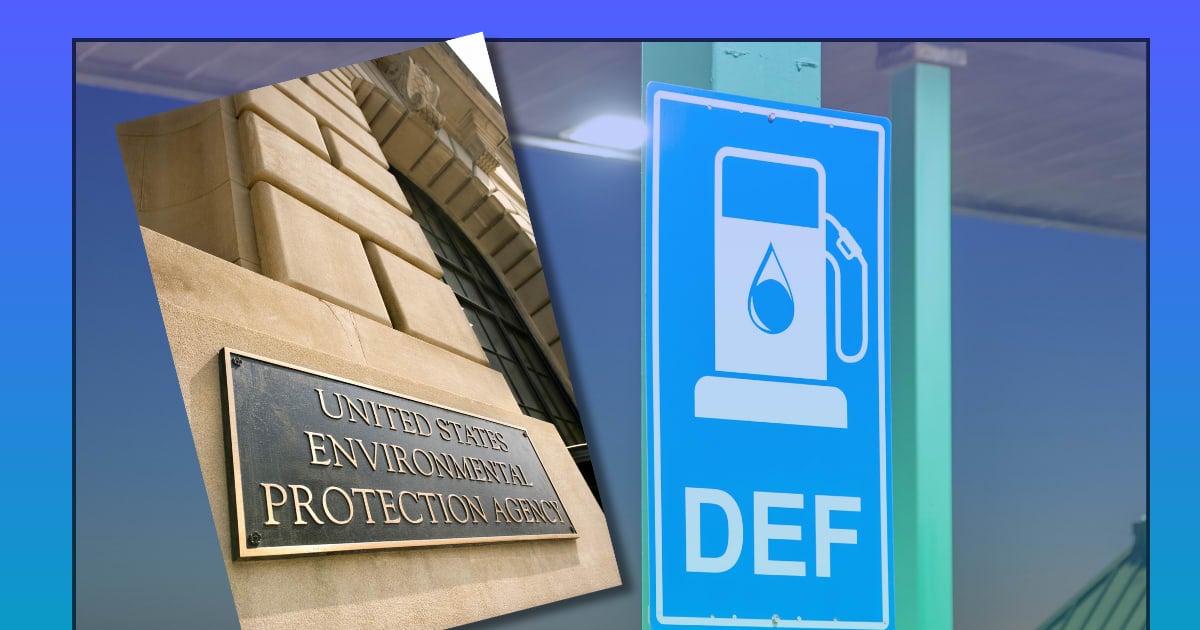
The U.S. Environmental Protection Agency is revisiting a long-standing requirement that forces diesel engines to de-rate—automatically reduce power—when the Diesel Exhaust Fluid (DEF) system detects problems. The agency has issued a request for information, asking stakeholders whether these de-rates are truly needed to meet emissions standards. This move could reshape how heavy-duty truck manufacturers design their aftertreatment systems, potentially easing operational headaches for fleets while still safeguarding air quality.
DEF is a urea-based solution injected into the exhaust stream to convert harmful nitrogen oxides (NOx) into harmless nitrogen and water. When the system runs low on DEF, senses a quality issue, or encounters a sensor fault, the engine’s electronic control unit typically triggers a sequence of escalating warnings, eventually limiting vehicle speed—often to just 5 mph. For truckers, that means a trip to the shop or a roadside refill becomes urgent. The EPA’s inquiry asks whether these severe de-rates are the only way to ensure compliance, or if alternative strategies—such as onboard diagnostics, remote telematics, or more robust sensor designs—could achieve the same environmental goals without stranding drivers.
The request for information comes amid broader scrutiny of emissions regulations. Some industry groups argue that current de-rate rules are overly punitive, especially when DEF quality or availability issues are beyond the driver’s control. Others counter that without de-rates, some operators might simply ignore the system, leading to higher NOx emissions. The EPA’s decision will likely hinge on data showing how often de-rates actually occur and whether they effectively deter tampering. The agency is also expected to weigh input from engine makers, fleet operators, and environmental organizations before proposing any rule changes.
If the EPA decides to relax or eliminate mandatory de-rates, truck manufacturers could shift toward more sophisticated monitoring and reporting systems. That might include real-time NOx sensors, over-the-air updates, and cloud-based compliance tracking. Such changes could reduce downtime and lower costs for fleets, but they would also require robust enforcement to prevent cheating. For now, the agency is gathering comments, and no timeline for a final decision has been announced. The outcome will be closely watched by anyone involved in diesel-powered transportation, from long-haul carriers to equipment dealers.
As the regulatory landscape evolves, the debate highlights a tension between practical fleet operations and strict emissions enforcement. The EPA’s willingness to reconsider de-rates signals a potential shift toward more flexible compliance pathways—provided they can deliver the same environmental benefits. Stakeholders have a chance to shape that future by submitting their experiences and data, making this one of the more consequential policy reviews for the diesel industry in recent years.
What do you think?