
Electrified Semi-Trailers Hit the Road: Can They Slash Long-Haul Fuel Costs?
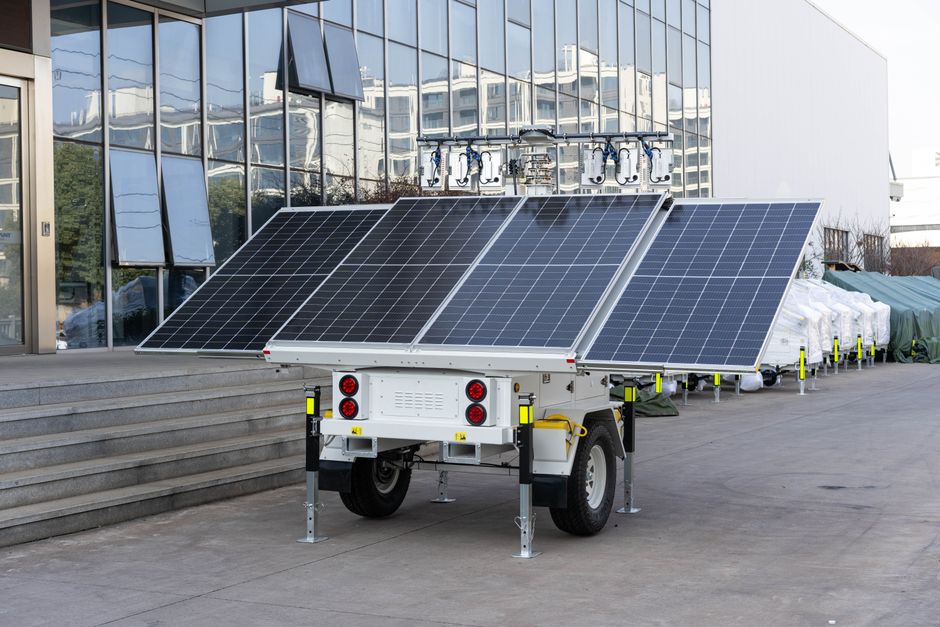
A new era for freight begins: a self-propelled semitrailer has entered commercial trials. In late May, Nivalis Energy Europe, based in Luxembourg but with engineering roots in Germany, fitted a trailer from TIP Group with its powered axle kit. That trailer now serves in the fleet of German operator Sommer, aiming to prove that trailers can contribute to their own motion.
Nivalis’s system revolves around a 50 kW electric axle co-developed with BPW. A 60 kWh, 400V lithium-ion battery feeds it, charged by regenerative braking, rooftop solar panels (up to 3.7 kW peak), and a standard industrial outlet (32 A, three-phase) during stops. The driver sees only a simple status display. The trailer’s weight and handling remain unchanged for the driver, and no special license is needed. The company estimates up to 7,000 liters of diesel saved per trailer annually, equating to roughly 19 tonnes of CO2 avoided, based on 100,000 km per year with 20-24 tonne payloads.
This pilot is one of several across the globe exploring trailer electrification as a faster, cheaper path to decarbonizing long-haul than replacing entire tractor units. While electric trucks are costly and need dedicated charging infrastructure, a retrofit kit sidesteps those hurdles. The industry now asks whether energy from braking, solar, and opportunistic grid charging can generate enough savings to justify the investment.
What do you think?