
Electrification Isn't a Volume Game — It's an Efficiency Argument
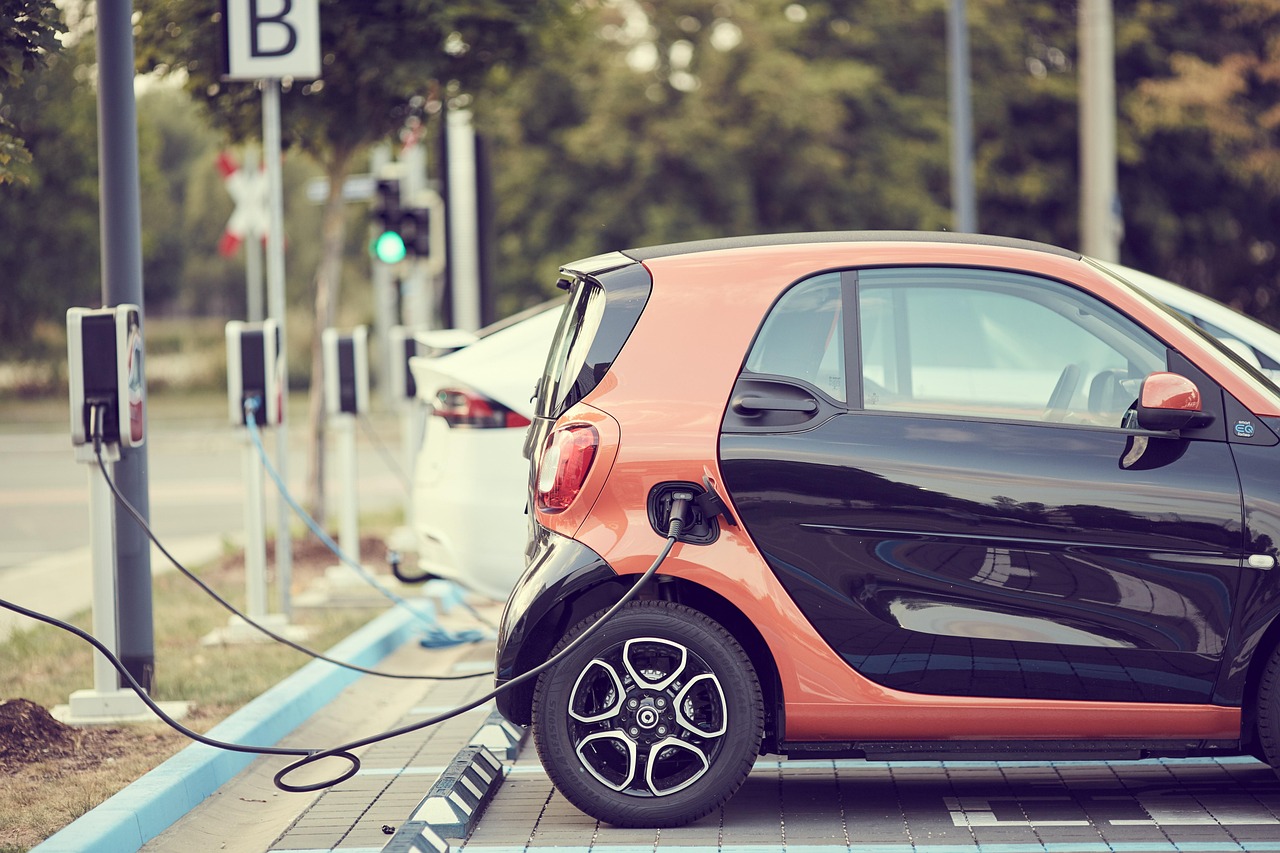
Electric cars are now more than one in four new vehicles sold worldwide, yet electricity still covers only about 20% of final energy use across the global economy. That gap is the real story behind the electrification debate.
The World Resources Institute’s framing is blunt: piling more plugs onto a strained grid isn’t the goal. Using less energy to do the same work is. Combustion engines throw away roughly 80% of their fuel’s energy as heat and convert only about a fifth into motion. Electric motors invert that ratio, turning close to 80% into useful movement. That is why electricity demand can climb while total energy consumption falls — a counterintuitive dynamic that rarely makes headlines.
The Daily Picture Nobody Films
The transition shows up in unglamorous places. An electric bus leaves its depot at 5 a.m. after an overnight charge, carrying schoolchildren without a diesel haze trailing behind it. Heat pumps have already warmed homes and offices long before the city wakes. Solar arrays top up delivery vans at midday and help factories run their heaviest processes. Then, in the evening, smart chargers push millions of cars onto cheaper, quieter hours for the grid.
Delhi’s electric buses, Norwegian homes heated through winter without gas boilers, Chinese freight and construction fleets moving to battery power — these are no longer pilot projects. They are the ordinary texture of electrification.
For most households, none of this registers as an energy revolution. It registers as a lower bill. Cleaner air. A warmer room in January.
A Lopsided Map
Progress is anything but even. China, sometimes called the first “electro-state,” now draws almost 30% of its final energy use from electricity. The United States sits near 22%, the European Union around 21%.
- Road transport: electric car sales are up nearly 600% since 2020, reaching 20 million units last year
- Buildings and heavy industry: advancing far more slowly than vehicles
- The installed base: most vehicles on the road today still burn fossil fuel
The International Renewable Energy Agency says electricity has to supply more than half of all final energy use by mid-century to keep warming within 1.5°C — paired with renewables covering about 90% of global power generation. Electrification and grid decarbonization have to move as a pair, not in sequence.
The Efficiency Math: Combustion engines convert about 20% of fuel energy into motion · Electric motors convert roughly 80% · Electricity currently supplies about 20% of global final energy use
Why “Electrify Everything” Falls Short
Some sectors resist the plug. Steelmaking and chemicals need extreme heat, or use fossil fuels as feedstock rather than fuel. Aviation and shipping demand more energy than today’s batteries can practically carry. In those corners, hydrogen, synthetic fuels, or carbon capture may do more work than direct electrification ever could.
The WRI’s argument, then, is selective rather than sweeping: electrify where the case is overwhelming — cars, buses, heat pumps, induction cookers, water heaters, industrial motors — and save the scarcer tools for the hard-to-abate remainder.
And the climate benefit is conditional. An electric car charged from a coal-heavy grid can be worse than a gasoline one. The difference is that the EV improves as the grid cleans up. A combustion engine stays locked into its fuel for the whole of its service life.
That’s the part politicians tend to skip. Electrifying more is easy to announce. Electrifying better takes grid investment, smarter charging, and a willingness to say no to the slogan.
Photo: andreas160578 · Pixabay (Pixabay Content License)
Source: CleanTechnica
What do you think?