
Electric Trucks and Hazmat Freight: Where Battery Power Still Meets Its Limit
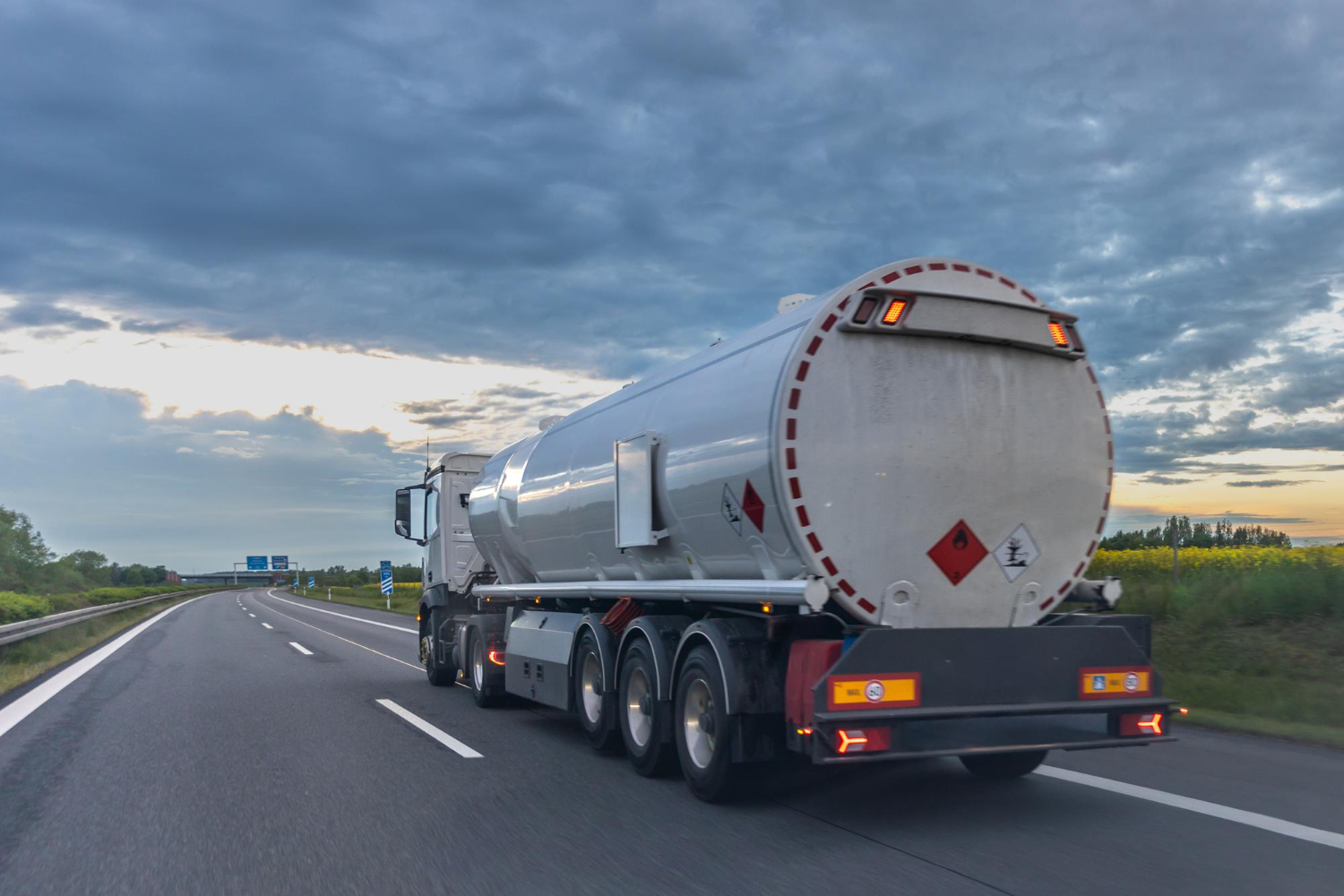
Battery-electric tractors have quietly become a familiar sight in fleet yards over the past few seasons. Regional carriers run them on predictable loops, port drayage fleets test them at container terminals, and a handful of operators rely on them for local dangerous-goods deliveries that end back at the depot each night. The harder question is whether that momentum can survive contact with long-distance hazmat hauling, where shipments cross state borders, hit narrow delivery windows and must stay compliant from pickup to drop-off.
Dangerous-goods freight is a different discipline from ordinary dry van work. Drivers must hold the right endorsements, tractors need specific placards and sometimes purpose-built equipment, and routing is frequently dictated by federal and state rules that steer certain loads away from tunnels, bridges and heavily populated corridors. That compliance web leaves little slack for improvisation. A diesel tractor can pull into virtually any truck stop and be back on the road in fifteen minutes. A battery-electric tractor needs a high-powered charger, and those units are rarely positioned along the corridors where hazmat loads are legally allowed to travel.
Weight is the second obstacle. A long-haul electric tractor carries thousands of pounds of battery pack that a comparable diesel does not, and that mass comes directly out of payload capacity. Hazmat cargo tends to be dense and heavy, so any payload penalty can force a carrier to split a shipment or leave part of the load behind. Because heavy, tightly regulated freight is exactly where current battery technology faces its stiffest challenge, the economics are unforgiving: the North American Council for Freight Efficiency’s Messy Middle cost analysis projects diesel will remain the cheapest long-haul choice through 2028, while treating hydrogen fuel-cell trucks as a narrow fit for heavy lanes where payload and fast refueling cannot be sacrificed.
Charging access compounds the problem. Hazmat routing rules often ban trucks from certain areas, which means the charger a driver needs may be located on a road the load is not permitted to use. Building charging sites along approved hazmat corridors is technically feasible, but it is not happening at scale. Fleets have found partial workarounds: depot charging works when the tractor returns home every night, and short regional runs work when the route is predictable. Long-haul hazmat, however, means multiple days on the road, which demands public charging that satisfies both power and safety requirements.
Electric hazmat trucks do exist in limited numbers today. Manufacturers offer ADR-compliant models equipped with emergency shut-off systems and speed limiters, and chemical logistics operators in Europe have run electric tractors on genuine hazmat routes to collect real-world data. Those trials show promise for short and regional duty cycles, while confirming that long-distance hazmat remains a stretch. The trucks can physically handle the work; the infrastructure and regulatory framework are still catching up.
For carriers weighing fleet changes, the practical takeaway is to evaluate each lane on its own terms. Some routes will be ready for electrification sooner than others, and the ones that are not will make their limitations clear quickly. Electric trucks will have a place in hazmat transportation, but that place will start small, on lanes where charging is accessible and payload demands are manageable. Long-haul hazmat corridors will most likely stay diesel for now, with hydrogen and other alternatives waiting in the wings.
What do you think?