
Electra and VertiPorts by Atlantic Size Up Runway-Free Sites Across New York
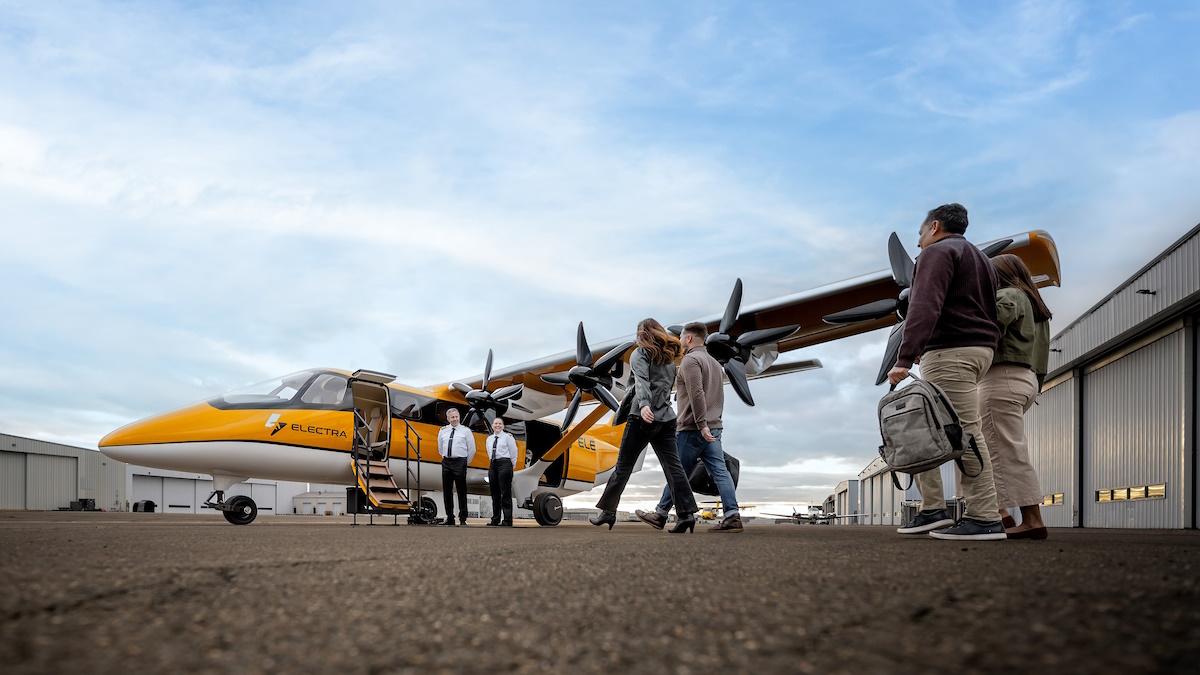
Electra has found a partner to help answer the hardest question facing its EL9 aircraft: where exactly does a runway-free regional airliner actually land in a city like New York?
The company has signed a memorandum of understanding with VertiPorts by Atlantic, the infrastructure arm wholly owned by Atlantic Aviation, to study how existing and future vertiport sites across New York City and the surrounding region could handle the nine-passenger hybrid-electric aircraft.
Nothing is being built yet. The MOU is an assessment exercise, not a construction or service-launch commitment, and both sides are careful to frame it that way.
What the EL9 Actually Needs
The EL9 is built around a striking short-field promise: takeoff and landing in as little as 150 feet, with hybrid-electric propulsion carrying nine passengers. That footprint is small enough to open up sites conventional aeroplanes simply cannot use.
- Barges: floating platforms that sidestep the city’s land constraints entirely
- Piers: waterfront access points already tied into urban transport corridors
- Elevated surfaces: rooftops and raised decks closer to dense employment centres
Each option trades a different set of problems for another. Barges need marine logistics, piers need terminal space, and elevated sites bring their own structural and fire-safety questions.
A Manhattan Landing Preceded the Deal
The agreement lands shortly after Electra flew a demonstration at Downtown Skyport in Lower Manhattan. According to Electra, the aircraft is believed to be the first fixed-wing design without vertical takeoff capability to touch down at the heliport.
The point of that flight was to show, in public, that the EL9’s short-field performance lets it slot into places normally reserved for helicopters and convention-centre exhibits rather than aeroplanes.
Direct Aviation, and the Real Hurdles
Electra’s broader concept is what it calls Direct Aviation — a regional network stitched together from many small access points instead of funnelling every trip through a handful of major airports. It is a direct challenge to the hub-and-spoke logic that has shaped regional travel for decades.
And the hard part is not the landing zone. The assessment has to work through passenger access, ground operations, safety requirements and the regulatory approvals needed to run commercial services inside one of the densest urban environments in the United States.
Initial work centres on New York City, though further locations in other regions could follow if the model holds up.
For now, this is groundwork. Electra is still developing the EL9, and today’s announcement is about proving that the places it wants to fly into are viable — before anyone starts pouring concrete.
EL9 at a Glance: Nine passengers · Hybrid-electric propulsion · Takeoff and landing in as little as 150 ft
Photo: Electra / eVTOL Insights · Official Press Kit / Editorial (Editorial / Press Kit)
Source: eVTOL Insights
What do you think?