
Driving America's Cheapest EV: Affordability vs. Reality
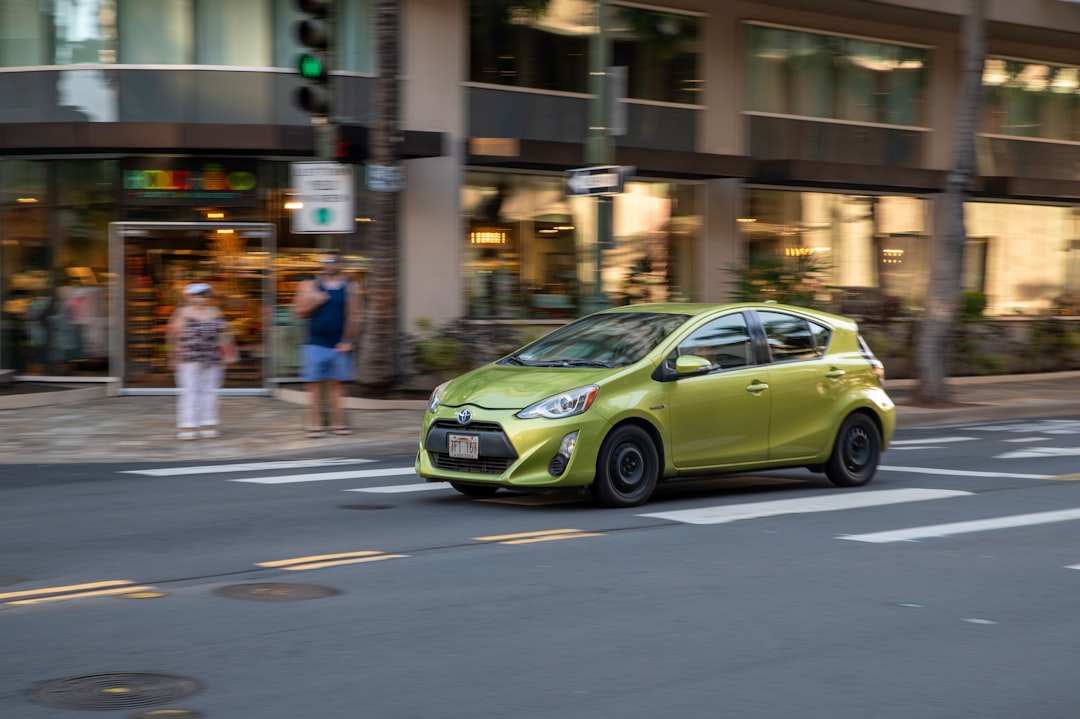
The promise of an affordable electric vehicle is tempting—imagine paying thousands less than the average EV while still enjoying zero emissions. I recently spent a week with the most budget-friendly EV available in the U.S. market, and here’s what I discovered.
On paper, it’s a winner: a sub-$30,000 price tag undercuts most rivals, and the small hatchback format makes it ideal for city commuting. The driving experience is perfectly acceptable—responsive enough for everyday traffic, with a surprisingly refined interior for the price. But beyond the initial sticker shock, deeper issues surface.
The car’s range is modest, which might be fine for daily errands but limits road-trip flexibility. Charging speed is another compromise, and the lack of a robust fast-charging network for this model could turn a simple weekend getaway into a logistical puzzle. Moreover, Americans traditionally favor larger vehicles, so the compact body may feel cramped for families or those who value interior space.
This isn’t a criticism of the car itself—it’s a commentary on market realities. The cheapest EV in America proves that affordability and utility can coexist, but it also highlights why automakers are betting on bigger, pricier models. The real question isn’t whether we can build cheap EVs, but whether we’ll embrace them.
What do you think?