
Do You Really Need Three Phases for Home EV Charging? A Reader Asks
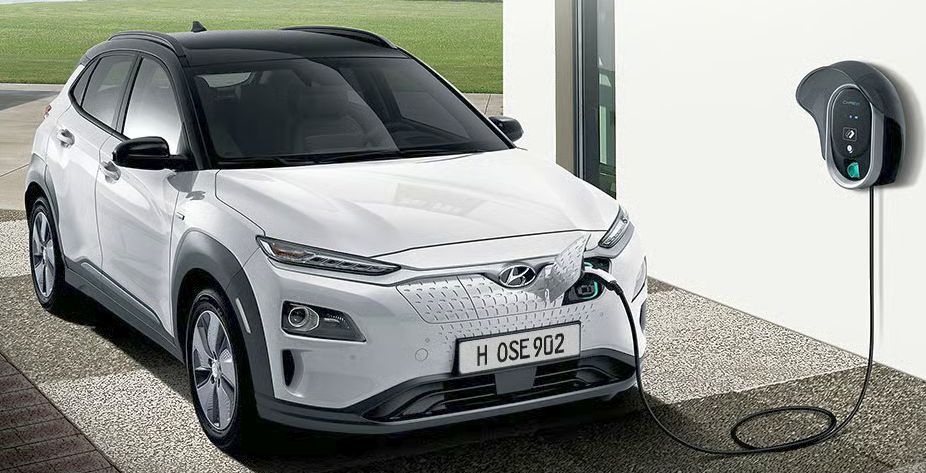
A frequent question among EV owners Down Under concerns household wiring and whether it can be coaxed into delivering more power. One reader, Bob, wrote in noting that his home has a two-phase supply, installed decades ago so that off-peak water heating could run on a separate circuit. He wondered whether that arrangement could be repurposed to speed up charging his car.
Before diving in, it helps to know that two-phase service in Australia comes in two distinct flavours. The first — likely what Bob has — dates to older suburban neighbourhoods, where homes were wired to just two of the three available phases on the 240/415V network. Back then, splitting the load this way made sense for running appliances like electric hot water systems on a cheaper tariff. The second variety exists in remote rural locations, where the grid itself is limited to a two-phase configuration running at 240V single phase and 480V two phase, simply because no three-phase option is on offer.
Here is the crucial point: a two-phase supply will not double your EV charging speed. Electric vehicles are built to draw power over either a single phase or all three phases — never two. A three-phase charger that suddenly loses one of its phases treats the event as a supply fault and will cut out entirely, though a small number of units are designed to fall back to single-phase charging in that scenario. So the hoped-for speed boost simply doesn’t exist in a two-phase setup.
Where a two-phase supply genuinely pays off is when you need to charge two vehicles at once. By dedicating one charger to each phase, you avoid piling the entire load onto a single circuit. That matters more than it might sound: running two single-phase chargers flat out would consume essentially the whole capacity of a typical single-phase household supply. If Bob were to upgrade his connection, swapping to a full three-phase service could be worthwhile — and if the work is being done anyway, adding a three-phase charger is a sensible bonus. That said, for most homes, three-phase charging is far from essential. He should also brace for a complication: electricity distributors have been steadily retiring legacy two-phase 240/415V connections, so any supply upgrade could force a move away from his current arrangement.
What do you think?