
Denso Halts Spark Plug and Sensor Sale to Niterra as Combustion Demand Persists
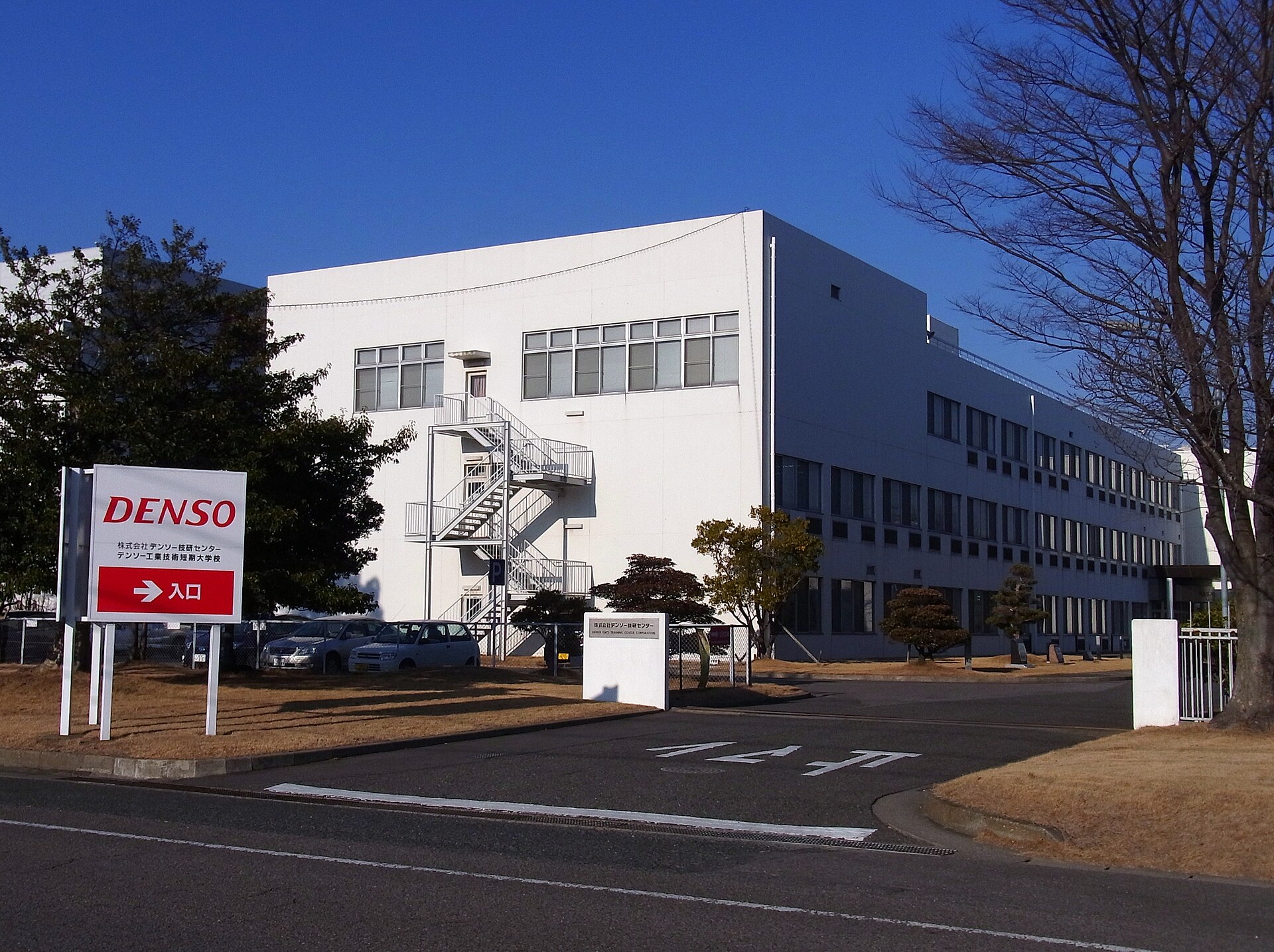
Denso has decided to call off the transfer of its spark plug and exhaust sensor business to Niterra, a deal that had been in the works for more than two years. The two suppliers have mutually agreed to terminate the business transfer agreement originally signed in September 2025, following a memorandum of understanding reached back in July 2023. Denso requested the cancellation, and Niterra accepted after talks between the two sides.
The reversal rests on a simple but significant reality: demand for internal combustion engine components has not fallen as quickly as the industry once expected. Denso pointed to uneven energy conditions and regulatory frameworks across different regions, which have kept a broader mix of powertrains alive on roads worldwide. Under its Core 2030 mid-term strategy review, the company concluded that retaining the spark plug and oxygen/air-fuel ratio sensor operations would leave it better positioned to serve that diverse demand rather than divesting them.
The original plan had been about consolidation. By merging Denso’s and Niterra’s operations, the two companies hoped to align production capacity with what was expected to be a steadily shrinking market for combustion-related parts, while also combining engineering expertise to keep supply reliable and cost-competitive. A slower-than-anticipated decline in that market has now given Denso a reason to keep those volumes and capabilities in-house instead.
Neither company disclosed the financial terms of the termination, the costs involved, or the scale of the business unit that was set to change hands. For an industry that has spent years preparing for a rapid shift away from combustion engines, Denso’s decision offers a reminder that the transition timeline remains uneven and that legacy component demand still carries meaningful weight in the supplier landscape.
The move also raises fresh questions for other suppliers weighing how quickly to exit combustion-era product lines. With electrification advancing at different speeds depending on region, the calculus for winding down legacy operations is proving more complicated than many forecasts suggested, and Denso’s U-turn underscores that flexibility may matter as much as speed in navigating the transition.
What do you think?