
Denmark's EV Surge Is Quietly Rewriting the Fossil Fuel Aftermarket
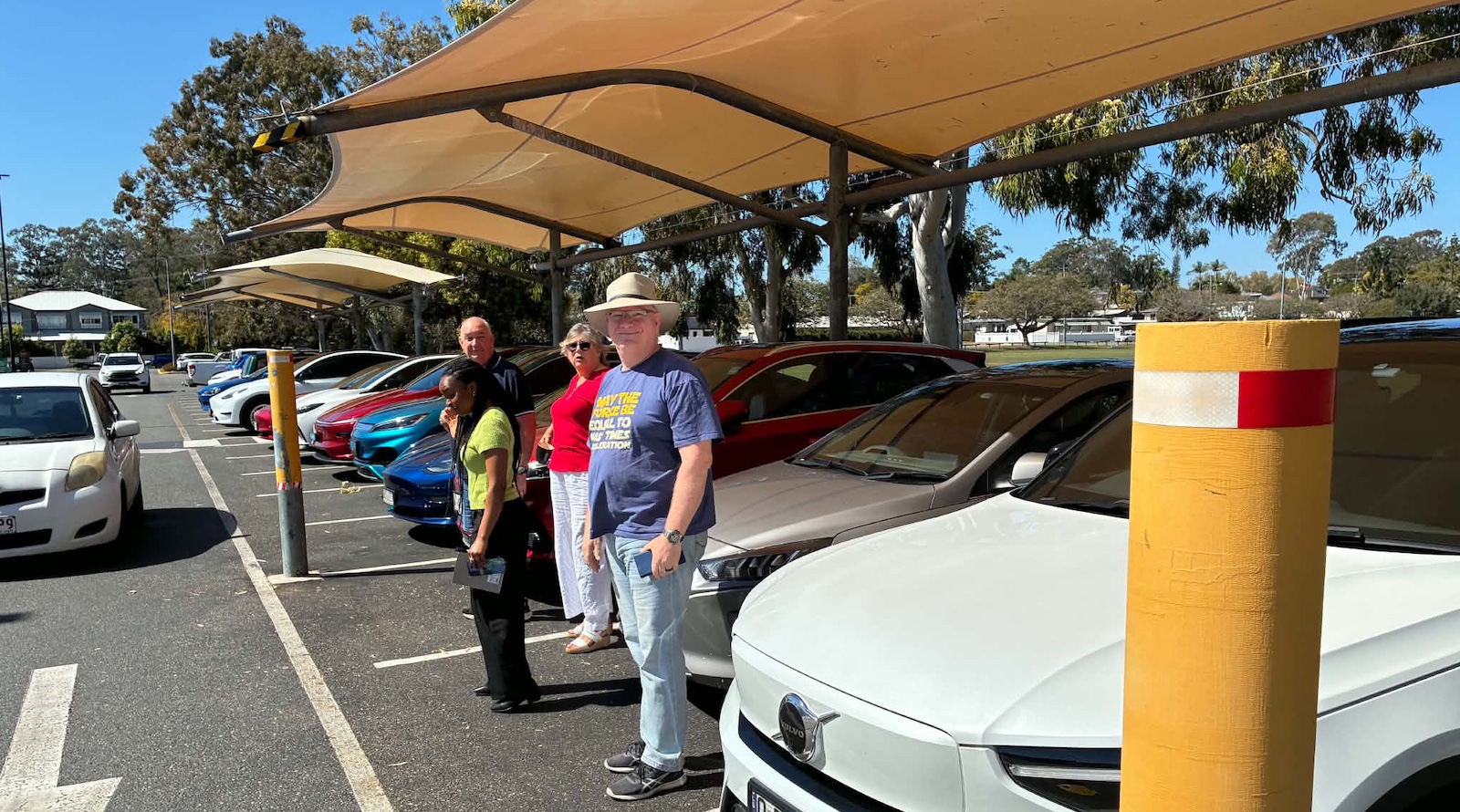
Denmark has become a useful laboratory for a question the wider auto world has barely started answering: when battery-electric cars dominate the roads, what happens to everything built around gasoline? With roughly 6 million residents, 2.8 million cars and around 700,000 EVs already on the road, the country is approaching a point where the supporting ecosystem — repair shops, parts suppliers, fuel retailers — has to adapt rather than wait.
The numbers tell the story. Denmark’s citizens are buying more than 20,000 EVs a month, and battery-electric models account for roughly 97% of new private vehicle sales, a penetration rate second only to Norway. Across Scandinavia, the shift is just as pronounced: Norway sits near 100% BEV share for new cars, Sweden reached 41.5% BEV share in the first half of 2026 with plug-in hybrids pushing the combined figure to 67%, and Finland stands at 62%. Fleet penetration, meanwhile, is climbing more slowly — around 24% in Denmark, 33% in Norway, 15% in Sweden and 13% in Finland — which is exactly why the aftershocks for the old ecosystem have not fully landed yet.
Henrik, a Danish EV owner and electrical engineer with more than 180,000 km of electric driving behind him, points out that most EVs on Danish roads are still under some form of warranty — meaning independent workshops have not yet faced the full weight of an out-of-warranty repair market. When that changes, the adjustment is likely to be fast. Mechanic training is already shifting, with dedicated EV courses now part of the curriculum and workshops adding a green “e” to their signage. The nature of the work itself changes too. There is no oil filter to unscrew and no gearbox to rebuild; brakes, tires and suspension remain familiar territory, though brake servicing increasingly means dealing with rust and seized components caused by underuse rather than wear.
Fuel retail faces a sharper reckoning. Several years ago an executive at CircleK noted the company was competing for a slice of the charging market — only for it to emerge that around 85% of charging happens at home. That leaves fast-charge operators fighting over a fraction of a fraction, and Henrik expects a large number of fuel sites to simply disappear. Meanwhile, attention is turning to a different bottleneck: slower 11 kW and 22 kW AC street charging in towns and cities, a segment that expanded quickly and then stalled.
The emerging specialist model looks very different from a traditional garage. Elbilmek, an independent EV workshop near Oslo that collaborates with YouTuber Bjørn Nyland, runs advanced diagnostics through direct LAN connections to pull up to 19,000 live parameters, sidestepping locked-down manufacturer tools. It also challenges the dashboard “State of Health” figure, which typically reflects only total capacity, by testing localized internal resistance, moisture ingress in motor units and connector degradation. Partnerships with suppliers such as SKF have produced aftermarket bearing kits engineered with lower friction and better rust resistance than factory parts for units like the Tesla Model 3 small drive.
The broader lesson is that the transition is not simply a swap of one drivetrain for another. Electric motors need far less servicing than combustion engines, and Chinese brands in particular have stretched service intervals well beyond the ICE norm. The decline of muffler shops, home oil-change sales and roadside fuel stops is a structural change, not a cyclical dip. For Scandinavia it is already underway; for markets with far more cars per person, such as Australia, the eventual impact on the petrochemical and mechanical service economy will be larger still.
What do you think?