
Delta-Q Adds Sodium-Ion Battery Support to Its Industrial Charging Lineup
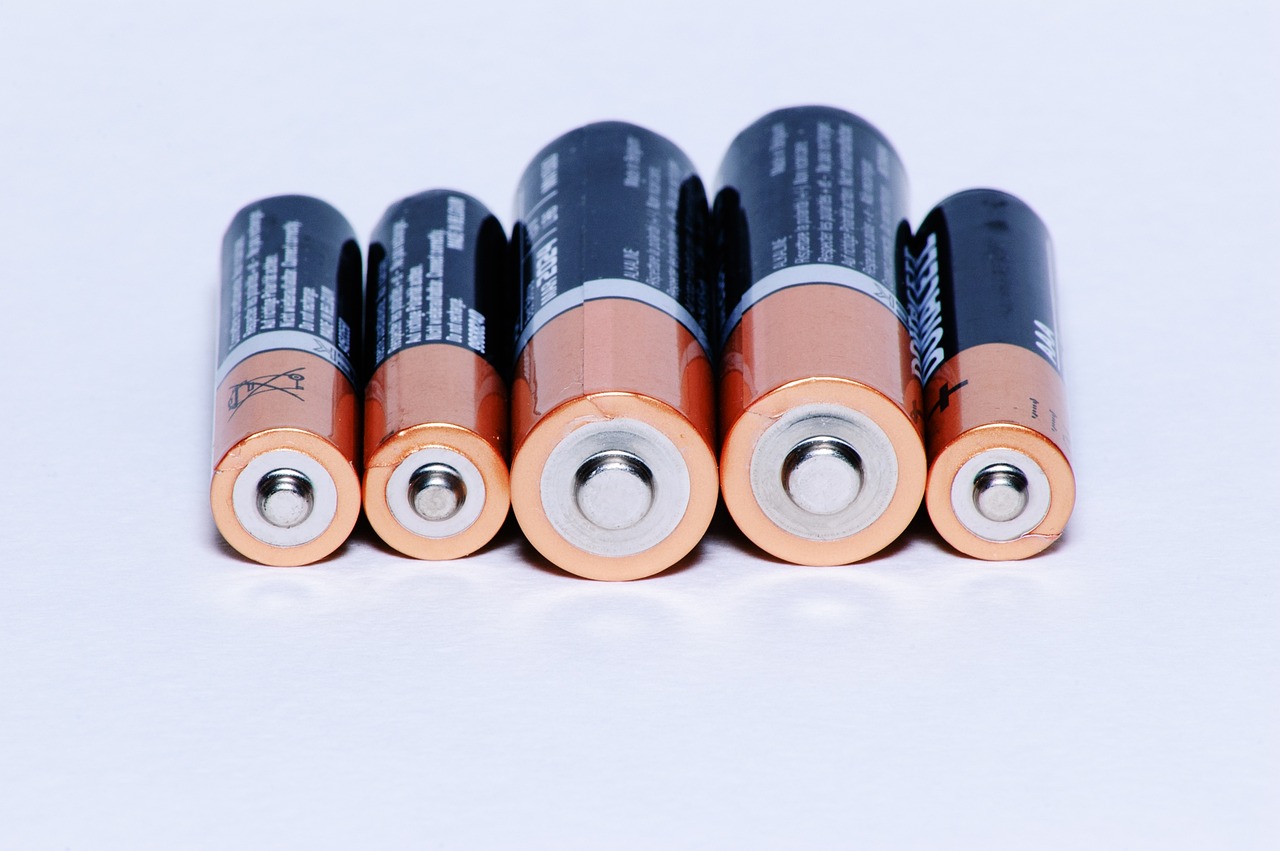
Delta-Q, operating under the Charged by Delta-Q banner, has announced that its charging hardware now supports sodium-ion batteries in material handling applications. Material handling—the forklifts, pallet jacks, and tow tractors that keep warehouses and distribution centers moving—is one of the most demanding environments for any battery chemistry, and broadening charger compatibility to sodium-ion is a notable step toward diversifying the energy storage options available to fleet operators.
Sodium-ion cells have drawn growing attention across the industry because sodium is abundant and inexpensive compared to lithium, and the chemistry is generally less exposed to the supply chain pressures that have made lithium prices volatile. The trade-off has historically been lower energy density, which matters less in counterbalanced forklifts and similar equipment where weight is often used as ballast anyway. For material handling specifically, that makes sodium-ion a more natural fit than it would be in a passenger EV chasing maximum range.
By making its chargers compatible with sodium-ion packs, Delta-Q is effectively giving fleet managers a path to adopt the chemistry without replacing their charging infrastructure. In practice, that means the same charging equipment can serve lead-acid, lithium-ion, and now sodium-ion batteries, which simplifies procurement and future-proofs depots that may want to trial different chemistries side by side.
The timing aligns with a broader push among industrial equipment makers to reduce dependence on a single battery supply chain. Warehouses are electrifying at a steady clip, and the charging hardware layer has to keep pace with whatever cell technology their vehicles end up using. Delta-Q’s move signals that charger manufacturers see sodium-ion as a credible option rather than a laboratory curiosity.
Delta-Q has not disclosed pricing, specific charger models, or a timeline for the sodium-ion support in the announcement. What is clear is that the charging side of the material handling ecosystem is starting to treat sodium-ion as a first-class citizen alongside more established chemistries, which could accelerate adoption in cost-sensitive, high-utilization fleets.
What do you think?