
Cranberry Bogs Were Losing Money — Solar Gave Them a Second Life
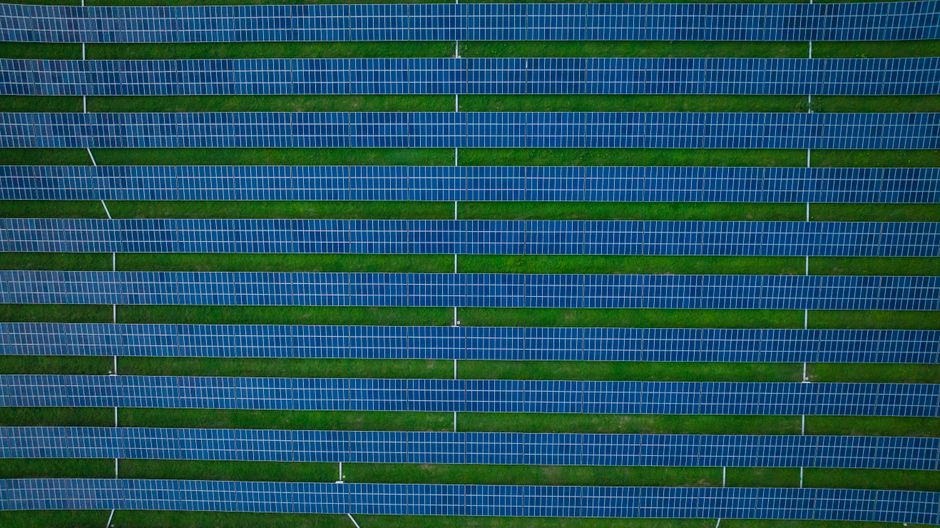
Two cranberry farms in Massachusetts that had gone quiet for years are harvesting again, and the reason isn’t a better berry price. It’s the solar panels standing over the vines.
Distributed Energy Infrastructure (DEI), an EPC contractor working on utility-scale solar and storage, has confirmed the first agrivoltaic cranberry harvests at its Black Cat project in Plymouth and Ring Road project in Kingston. Both bogs had been out of production because the numbers simply stopped working.
How the Economics Flipped
The landowner now collects lease income from the solar arrays, and farmer Iain Ward is paid for managing the bogs on top of what he earns from the crop itself. That combination is what pushed the sites back into viability.
Project Specs: Black Cat — 1 MW solar · 2.7 MWh storage | Ring Road — 4.4 MW solar · 13.5 MWh storage
Greenbacker Renewables owns both installations. DEI built them, and Ward was involved from the design stage onward — a detail that matters more than it might sound. Cranberry bogs are working wetlands, and building over an active perennial crop without wrecking the ground underneath is not a straightforward job.
“Building solar projects over active perennial wetland crops was an exciting challenge,” said Prateek Tare, executive vice president and co-founder at DEI, adding that Ward’s input at every stage helped keep the build cost-effective while protecting the productivity of the bogs.
A Niche Crop Meets a Big Idea
Cranberries are grown in flooded beds across the northern US. Wisconsin leads national production, followed by Massachusetts and New Jersey, with Oregon and Washington also contributing. It is a specialized, capital-heavy business — and one where margins can disappear fast.
Agrivoltaics — pairing solar generation with active farming rather than replacing it — has mostly been tried on pasture and row crops. Pushing it into wetland berry production is newer ground, and both projects were named finalists for the North American Agrivoltaics Awards.
DEI and Ward are also founding members of the Solar & Farming Association (SAFA), a coalition covering developers, agricultural producers and livestock operators.
Why Farmers Are Watching
The wider point here isn’t cranberries specifically. Renewable energy leases have become a quiet financial backstop for agricultural operations that can no longer survive on crop revenue alone. A solar array doesn’t fix a bad harvest, but it can keep a farm’s books in the black through a rough stretch.
For DEI, the harvest is proof of concept in one of the harder environments the industry has attempted. Wetland sites come with permitting headaches, drainage concerns and equipment access problems that dryland projects never face.
Both arrays are now generating, and the bogs beneath them are producing fruit. That’s a pairing worth tracking as more marginal farmland gets evaluated for dual use.
Photo: K · Pexels (Pexels License)
Source: CleanTechnica
Curious how this compares to other EVs? Try our comparison tool →What do you think?