
Compact Hybrid SUVs That Hold Their Value and Keep Repair Bills Low
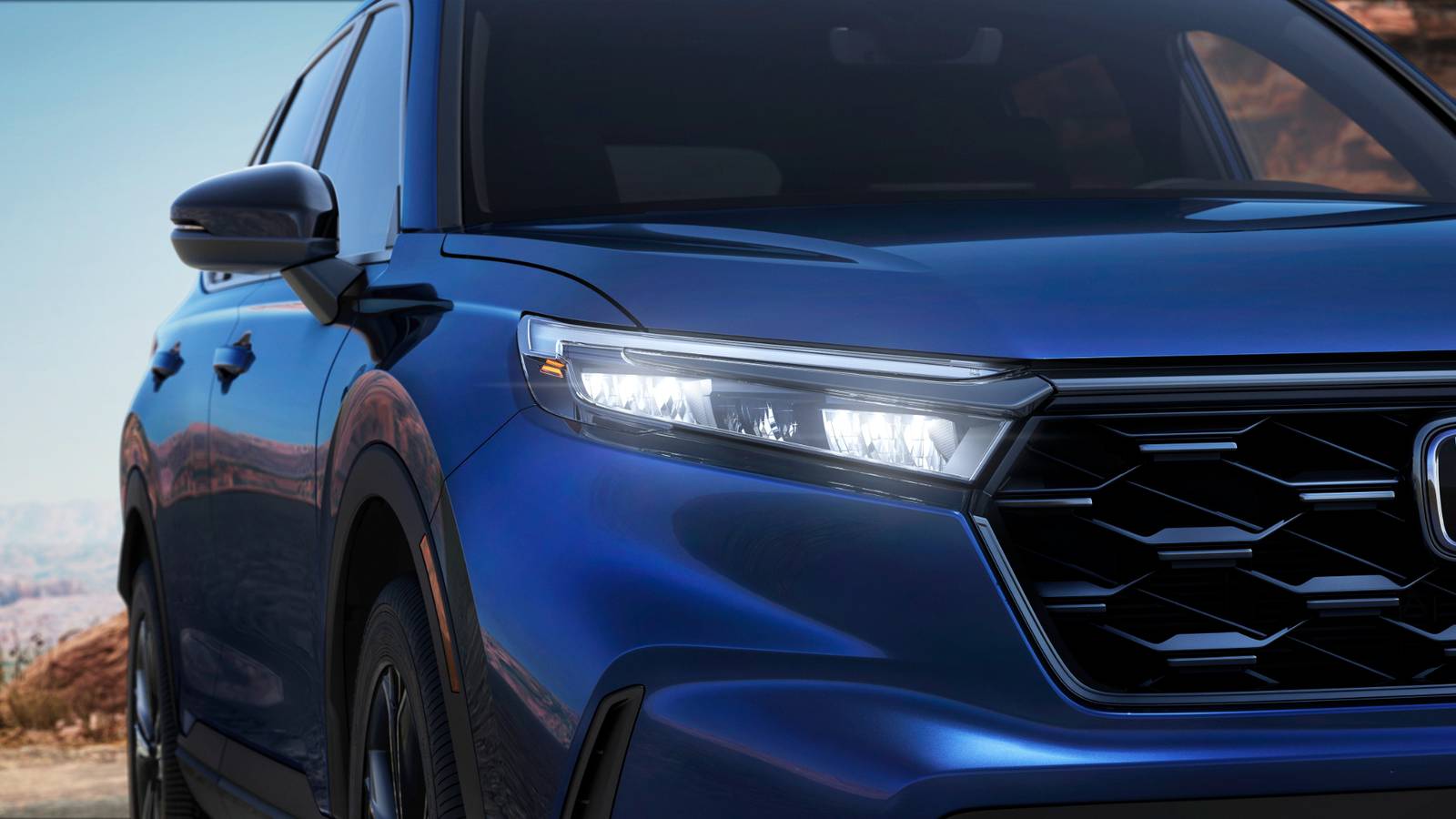
Shopping for a used hybrid SUV can feel like a test of patience. Most of the segment has drifted toward larger footprints, three-row layouts, and price tags that climb past the point where fuel savings actually pay for themselves. That makes the smaller options worth a closer look, especially for buyers who spend most of their miles in cities and suburbs where parking space and maneuverability matter as much as miles per gallon.
The appeal of a compact hybrid crossover is simple math. A smaller body means less weight to move, which lets the hybrid system lean on electric assistance more often during low-speed driving. That translates into strong city fuel economy, fewer trips to the pump, and lower running costs over the life of the vehicle. For used buyers, the same logic works in reverse: a vehicle that was efficient when new tends to stay efficient as it ages, provided the battery and cooling systems have been maintained.
Reliability is the other half of the equation. Hybrid drivetrains have been in volume production for decades now, and the most dependable designs share a few traits — a simple power-split or series-parallel layout, a modest battery that is not stressed by frequent fast charging, and a proven combustion engine under the hood. Used shoppers should look for service records that show regular fluid changes and, where applicable, hybrid system inspections. A pre-purchase inspection by a technician familiar with hybrids is worth the cost, particularly on higher-mileage examples.
Footprint matters more than many buyers expect. A vehicle that fits easily into a standard garage, a tight street spot, or a crowded parking structure removes a daily source of friction that no fuel economy figure can offset. Compact hybrid SUVs typically deliver cargo space that is adequate for a small family or a couple with gear, without demanding the turning radius of a larger crossover.
The used market rewards patience. Depreciation has already done its work on three- to five-year-old examples, and hybrid models from established brands tend to hold value better than their conventional counterparts because demand for efficient vehicles remains steady. Buyers who prioritize reliability, low operating costs, and an easy-to-live-with size will find the compact hybrid SUV segment is one of the few places where all three still overlap.
What do you think?