
Commercial Vehicle Brief: Autonomous Trucking's Costly Next Step, Wireless Charging for Trucks, and VinFast's Electric Bus Play
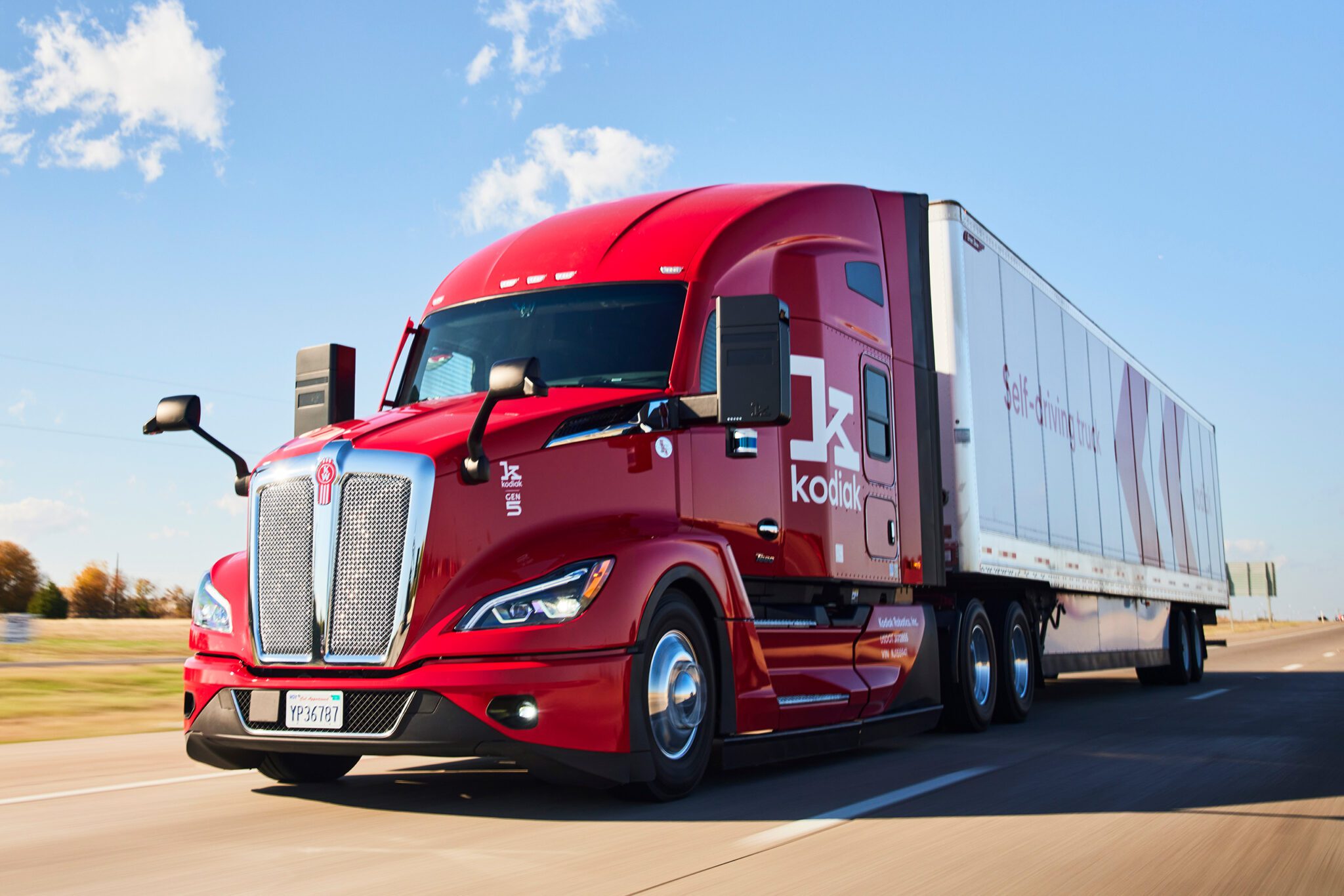
The commercial vehicle sector is entering a pivotal phase as autonomous trucking shifts from closed test sites to public roads — a transition that carries steep costs. According to the latest industry intelligence, US developers are betting that removing human drivers will eventually cover those expenses, while deployments in the Gulf region lean heavily on government support to get off the ground. A key insight emerging from the analysis: the real value may not lie in proprietary self-driving software at all, but in matching the right application to the right use case, as fleet operators increasingly favor flexibility over single-vendor lock-in.
On the manufacturing side, Isuzu is projected to hold its core output essentially flat at roughly 568,000 units for the 2026/27 period, reflecting a wait-and-see posture amid uneven global demand for commercial vehicles.
Honda is preparing to begin in-motion wireless charging trials starting April 2027, with an initial focus on heavy commercial vehicles. The technology, if proven viable, could reduce downtime for fleets by allowing vehicles to charge while in operation, though significant infrastructure investment would be required to make it practical at scale.
VinFast is also making a notable move, planning to offer battery-electric buses to US operators under a service-based model rather than a straightforward vehicle sale. This approach — delivering electric buses as a service — could lower the barrier to adoption for transit agencies wary of high upfront costs and uncertain charging infrastructure.
Together, these developments highlight a commercial vehicle landscape being reshaped by autonomy economics, charging innovation, and new business models. How quickly each of these bets pays off will depend on regulatory clarity, infrastructure readiness, and whether operators value flexibility over integrated solutions.
What do you think?