
China Trims NEV Export Rebates, Putting Overseas Profitability to the Test
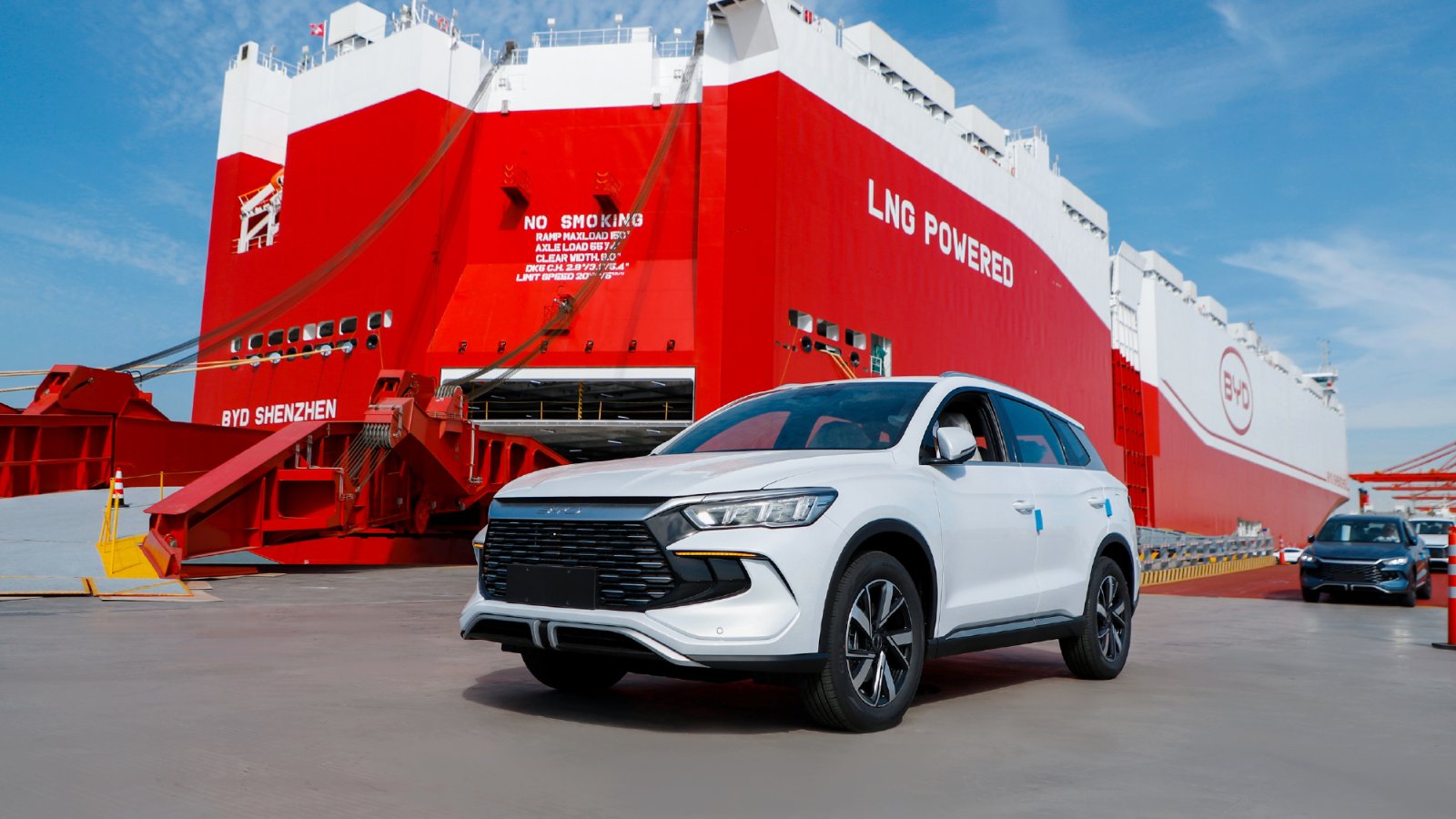
Beijing is dialing back one of the incentives that helped Chinese clean-energy vehicles gain ground abroad. Starting April 1, 2027, the export value-added tax rebate on new energy vehicles will drop from 13 percent to 9 percent, according to an announcement from the Ministry of Finance and the State Taxation Administration. The four-point reduction applies to battery-electric and plug-in hybrid passenger cars, along with electric buses and electric truck tractors. Which rate a shipment gets depends on the export date recorded on its customs declaration, and existing consumption tax rebate and exemption rules for the affected goods stay as they are.
The timing reflects how much Chinese automakers now lean on foreign markets to make up for a cooling home front. CAAM data released the same day shows NEV exports climbing 130 percent year-on-year to 4.006 million units in the first nine months of 2026, with September alone up 160 percent to 571,000 vehicles, counting both passenger and commercial models. Over the same September stretch, domestic sales slid 9.4 percent to 1.252 million units. With that gap widening, overseas volume has become the growth engine — and the rebate cut hands automakers a thinner margin on every vehicle they ship out.
Deutsche Bank sketched the impact in a research note, estimating the change would trim BYD’s net profit by roughly 5,000 yuan ($743) for each exported vehicle, with the effect kicking in from the second quarter of 2027. The bank noted that BYD’s overseas sales reached 1,342,468 units in the first three quarters, or about 43 percent of its total wholesale volume — a reminder of how central its international business has become. The analyst house flagged similar pressure for a long list of exporters, including Chery, Geely Auto, SAIC Motor, GWM, Changan Automobile, Leapmotor, GAC Group and Xpeng.
Export tax rebates refund levies paid earlier in the domestic production and distribution chain, so a lower rate simply means smaller refunds, other things being equal. The NEV move is the latest step in a broader retreat from clean-tech export support. China ended export VAT rebates for solar photovoltaic products on April 1, 2026, and reduced the rate for battery goods from 9 percent to 6 percent, with battery rebates set to be scrapped entirely from January 1, 2027.
Officials did not spell out a rationale in the announcement. Economists have tied the shift to the sector’s rising competitiveness and a desire to cool price wars. Luo Zhiheng, chief economist at Yuekai Securities, told Yicai that tax support ought to match an industry’s stage of development, and that maturing sectors should stand on technology and market competition instead. In other words, the state appears to want exporters to win on branding and product strength rather than on price — even if the near-term trade-off is pressure on overseas earnings during the transition.
What do you think?