
China Briefing: EU Weighs Import Cap as Beijing Rethinks NEV Export Incentives
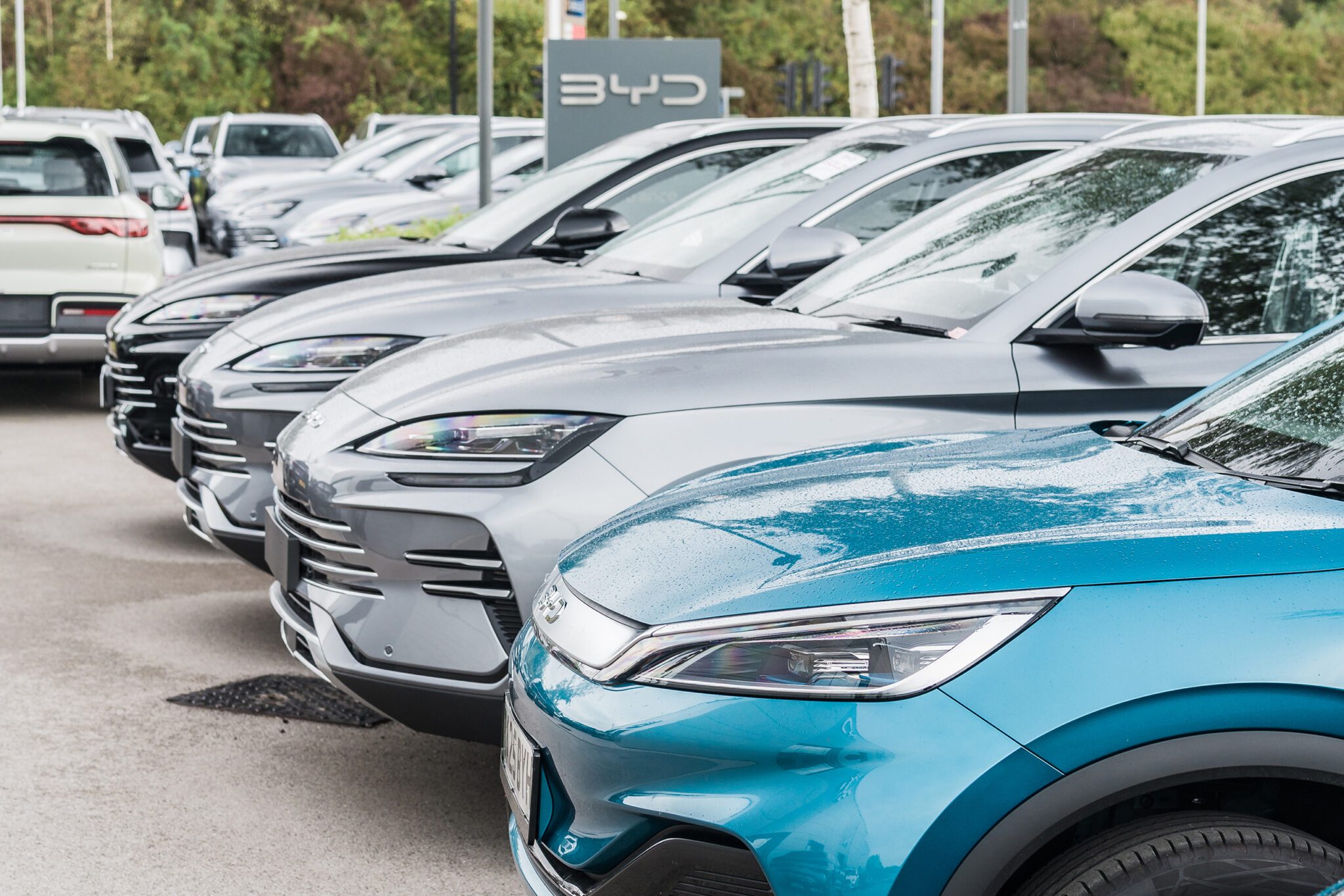
A new weekly intelligence review of China’s automotive sector points to a shifting policy landscape on both sides of the Eurasian trade corridor. According to the brief, Volkswagen’s weakened position in the Chinese market appears to have stripped Germany of its primary argument against EU trade protectionism — a change that helped clear the path for a proposed 350,000-unit ceiling on Chinese hybrid and plug-in hybrid imports. Notably, that cap would not apply to Chinese-brand vehicles manufactured inside the EU, a carve-out that analysts suggest could divert additional volume toward the UK market instead.
On the domestic front, Beijing is reportedly preparing to scale back its VAT rebate on NEV exports, a move that comes as September retail sales slipped 28%. The timing suggests policymakers are trying to balance export competitiveness against internal demand that has cooled considerably. A separate regulatory draft would ban concealed door handles on new vehicles, reflecting growing safety concerns over flush-fit designs that can hinder rescue access in emergencies.
In manufacturing news, BYD has narrowed its search for new European production capacity to two candidates: France and Spain. The shortlist represents a significant step in the company’s effort to localize output on the continent and sidestep trade barriers. Meanwhile, the broader EU cap proposal remains a live question — its final shape could determine whether Chinese OEMs accelerate local plants or reroute shipments through alternative markets.
Taken together, these developments sketch a Chinese auto industry navigating tighter export incentives, stricter safety rules and a European market that is simultaneously courting and constraining its products. The next few quarters will reveal whether localization strategies outpace trade restrictions.
Source: Automotive World
What do you think?