
Chery Sets 2027 Target for Vehicle Validation of 400 Wh/kg Solid-State Battery
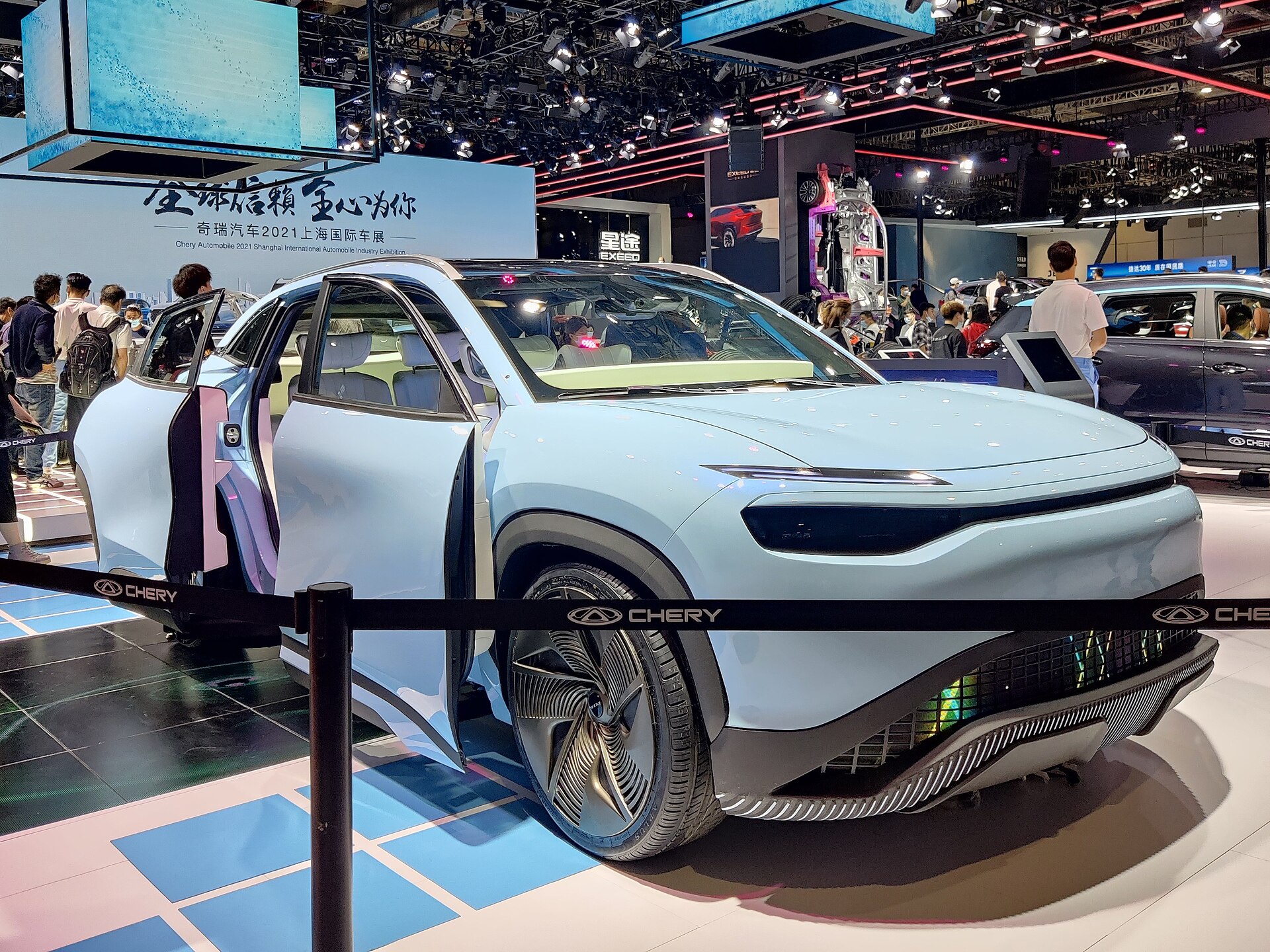
Chery has announced an ambitious goal: by 2027, it aims to validate a 400 Wh/kg all-solid-state battery in actual vehicles. This target places the Chinese automaker among a growing group of companies racing to commercialize solid-state technology, which promises significantly higher energy density than today’s lithium-ion batteries.
Solid-state batteries replace the liquid electrolyte found in conventional cells with a solid material, potentially enabling greater range, faster charging, and improved safety. Chery’s 400 Wh/kg figure is notably higher than the 250-300 Wh/kg typical of current production EV batteries, suggesting a leap in performance if achieved. However, the timeline remains tight; many industry experts expect solid-state batteries to reach mass production only after 2025, with widespread adoption likely in the 2030s.
Chery’s plan involves validating the battery in vehicles by 2027, a critical step before any commercial launch. This validation phase will test real-world performance, durability, and safety, addressing challenges such as manufacturing scalability and cost. The company has not disclosed which vehicle models will host the battery or the expected production date.
The move reflects broader trends in the auto industry, where automakers like Toyota, Nissan, and Volkswagen are also investing heavily in solid-state research. For Chery, success could bolster its position in the competitive EV market, particularly in China, where range and charging speed are key selling points. As the 2027 deadline approaches, the industry will watch closely to see if Chery can translate laboratory breakthroughs into road-ready technology.
While the target is ambitious, it aligns with Chery’s recent efforts to advance its electric lineup. The company has been expanding its EV offerings and investing in next-generation technologies. If the validation succeeds, it could pave the way for longer-range, more efficient electric vehicles, though cost and mass production remain significant hurdles.
What do you think?