
CATL Overtakes LG Energy Solution in Global Battery Patent Race
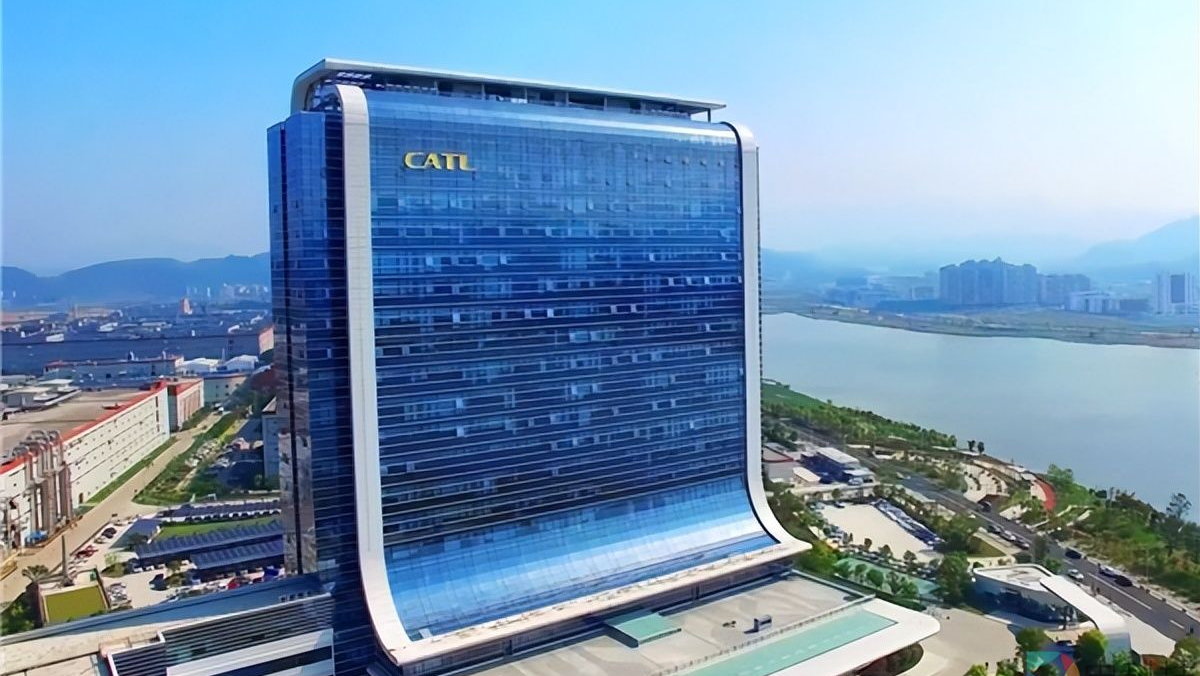
CATL has moved ahead of LG Energy Solution to become the world’s most prolific holder of battery-related patents, according to a new ranking of global intellectual property activity in the sector. The shift places the Chinese battery giant at the top of a leaderboard that has long been contested by South Korean and Japanese manufacturers.
Patents in this field typically cover the building blocks of a battery pack: the chemistry inside the cells, the way cells are packed together, the cooling and management systems that keep them stable, and the manufacturing steps used to bring costs down. In simple terms, a battery patent is a company’s claim on a particular way of storing more energy, charging faster, or making the pack safer and cheaper to build. The more of these claims a firm holds, the more leverage it has when licensing technology or negotiating with automakers.
The ranking reflects years of sustained investment in research and development rather than a single breakthrough. CATL has expanded its portfolio across cell design, pack architecture and production methods, mirroring its rise as a supplier to a broad swath of the global auto industry. LG Energy Solution, meanwhile, remains a major force in the patent landscape, with a portfolio built around its own cell and module technologies.
The outcome matters beyond bragging rights. Battery patents increasingly shape cross-licensing deals, supply agreements and legal disputes between manufacturers, and they can influence which suppliers an automaker feels comfortable depending on. As electric vehicle demand continues to grow, control over foundational battery technology has become a strategic asset rather than a back-office formality.
For now, the data puts CATL at the front of the pack on paper. How that advantage translates into commercial terms, and whether LG Energy Solution or other rivals close the gap, will depend on how quickly the next generation of battery innovations is patented and brought to market.
What do you think?