
Canada's 2035 EV Mandate Faces Uncertainty as Emissions Rules Take Shape
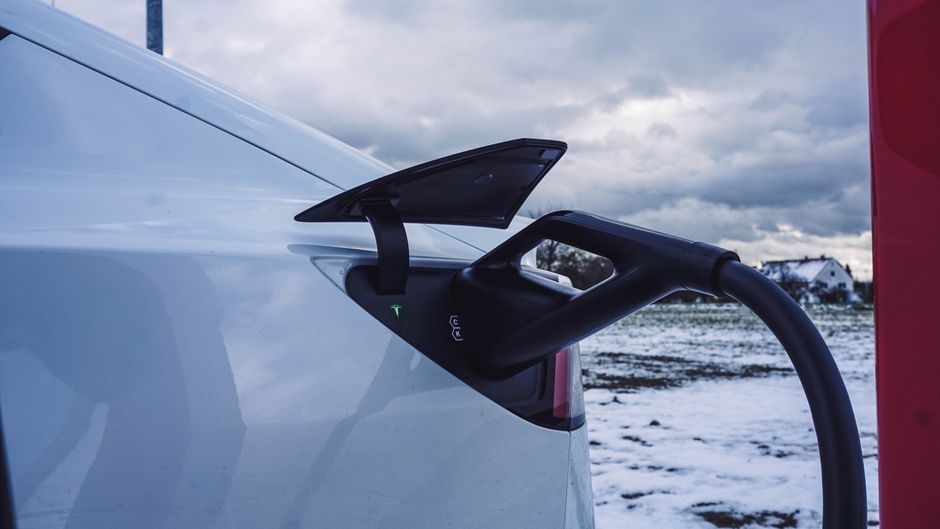
Canada’s plan to require all new passenger vehicles sold by 2035 to be zero-emission is showing signs of strain, even as federal regulators push forward with a broader tailpipe emissions framework. The 2035 target, a cornerstone of Ottawa’s climate strategy, now appears less certain than when it was first announced.
The regulatory picture is complicated by the fact that emissions rules and EV sales mandates are being developed on parallel tracks. Tailpipe emissions standards, which limit the amount of pollution new vehicles can produce, are taking clearer shape. But the 2035 EV target depends on a range of factors that regulators cannot fully control: charging infrastructure buildout, consumer adoption rates, and the pace at which automakers bring affordable electric models to market.
Industry observers have noted that Canada’s EV market faces structural challenges that differ from those in Europe or China. The country’s vast geography, cold climate, and uneven charging network outside major urban centers make widespread EV adoption more difficult. These factors have fueled skepticism about whether a 2035 deadline is realistic.
Automakers, meanwhile, are navigating their own uncertainty. Many have invested heavily in EV production capacity, but demand growth has slowed in several markets. The prospect of a softened or delayed Canadian mandate could influence manufacturers’ product planning for the North American market. Hybrids and plug-in hybrids, which bridge the gap between conventional engines and full electrification, may play a larger role if the 2035 target is relaxed.
What ultimately emerges from Canada’s regulatory process will be closely watched by both the auto industry and environmental groups. The outcome could set a precedent for how other countries balance ambitious electrification goals against the practical realities of infrastructure, affordability, and consumer demand.
What do you think?