
California Opens $28 Million Round for Public EV Fast Chargers
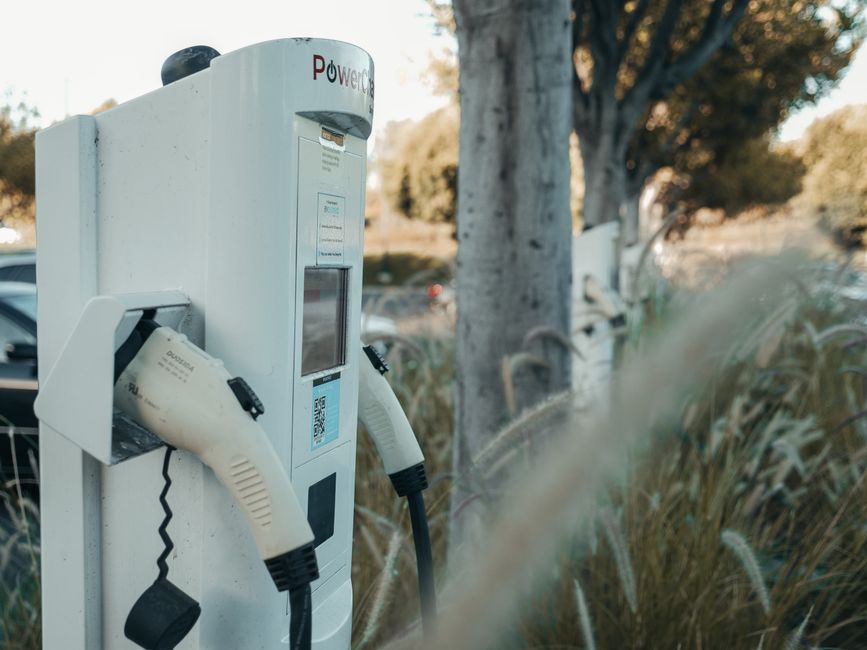
California is putting another $28 million behind its Fast Charge California Project, a program aimed at accelerating the build-out of public DC fast charging across the state. The new funding round gives applicants the chance to secure up to $100,000 per charging port, a substantial subsidy designed to offset the steep upfront costs that have slowed charger deployment in many communities. Applications for the round are set to close on 14 January 2027.
The per-port approach is notable because it targets the most expensive part of a fast-charging installation: the hardware itself. By covering a meaningful share of that cost, the state hopes to make projects viable in locations where private investment alone has not penciled out, such as rural corridors, underserved urban neighborhoods, and sites with low initial utilization. The program is an extension of an existing initiative rather than a brand-new effort, which suggests California is doubling down on a model it has already tested.
California has long been the largest EV market in the United States, but charger availability remains uneven. Fast-charging gaps are especially pronounced outside major metro areas, and even within cities, low-income neighborhoods often have far fewer public plugs than wealthier districts. Funding rounds like this one are intended to close those gaps, though the state has faced criticism that charger build-out has not kept pace with its own EV sales targets and its planned phase-out of new gasoline car sales.
The $100,000-per-port cap could attract a mix of charging networks, site hosts, and local governments. With roughly two and a half years until the application deadline, the round gives developers time to assemble sites, secure permits, and line up utility connections, which are often the slowest parts of a charging project. How many ports ultimately get built will depend on how many qualified applications come in and how the state scores them.
For drivers, the practical effect will only become clear as new stations come online. But the funding signals that California sees public fast charging as a piece of infrastructure that still needs public money to grow, particularly in places where the business case is weakest.
What do you think?