
Brussels' 'Zombie Engine' Loophole Could Hand Biofuel Cars a Zero-Emission Label
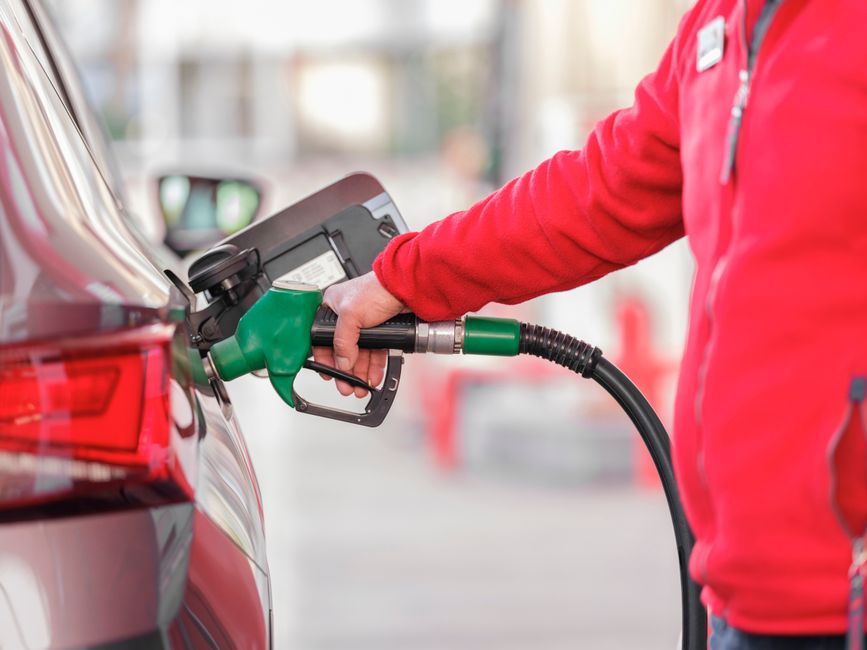
A new regulatory category being drafted in the European Parliament would let ordinary combustion cars be legally scored as zero-emission — provided they run exclusively on biofuels or e-fuels. Transport & Environment (T&E) calls it what it looks like: a lifeline for a technology Europe was supposed to be phasing out.
The proposal, pushed hard by fossil fuel lobbyists and legacy automakers, is called VEEF — short for “Vehicle Exclusively running on Eligible Fuels.” On paper, these are conventional piston-engine cars with a promise attached to the fuel filler. In exchange, Brussels would grant them a tailpipe emissions score of zero.
Burn the same fuel, get a different label
Nothing changes inside the engine. Burning biofuels still releases nitrogen oxides, carbon monoxide and fine particulates — the same cocktail that has fouled European city air for decades. T&E argues that slapping a zero-emission sticker on that exhaust simply launders the pollution through a legal technicality.
The climate math is murkier still. Today’s average biofuel blend trims emissions by somewhere between 20% and 40% against fossil fuel. But once indirect land-use change is counted — forests cleared to grow fuel crops — first-generation crop-based biofuel cars can pump out 23% more greenhouse gases than a plain petrol model.
The Cost Gap: HVO biodiesel runs about €13 per 100 km, versus roughly €7 for a comparable EV.
Cheap to buy, expensive to run
Biofuel cars are pitched as the affordable option, yet T&E’s figures suggest the opposite at the pump. Households pushed toward them get locked into volatile fuel prices just as renewable electricity and battery costs are falling.
Then there is the supply problem. Europe produces only enough advanced petrol biofuel to keep roughly one million cars on the road. Parliament’s compromise would allow food-crop fuels until 2032, then restrict new biofuel models to advanced wastes and residues from 2033. The arithmetic falls apart fast, because sales lean heavily petrol while advanced biofuels lean diesel. Sell a million petrol VEEFs and the Continent’s biofuel pool is empty — leaving drivers with nowhere to fill up.
Sensors, throttles and a second pump network
Keeping drivers honest would take a bureaucratic contraption. The proposals floated include:
- Onboard fuel sensors and tamper-proof hardware to confirm the right liquid
- Engine-throttling software that strands the car if the wrong fuel is detected
- Cryptographic pump handshakes checked against the chassis number before a fill-up is authorized
- Parallel pump networks — one for pre-2033 crop fuels, another for post-2033 advanced fuels
For a Commission that keeps talking about deregulation and simplification, this is a lot of red tape to protect a loophole.
The real target: mass balancing
Industry insiders already see where this is heading. The combustion lobby is quietly pivoting toward “mass balancing,” which would let carmakers keep selling blended-fuel combustion cars while counting them as virtual clean vehicles — no pure biofuel in the tank required, and no pressure to sell more EVs.
That matters beyond Brussels. More than €200 billion has already gone into Europe’s EV and battery supply chain, invested on the assumption of a stable path to zero emissions by 2035. China dominates battery production while EV sales climb worldwide, and European lawmakers are weighing a scheme to keep a 19th-century powertrain on life support.
T&E’s verdict is blunt: the VEEF loophole hits no climate target, cleans no air, and builds no industry. It is a regulatory Trojan horse — and when the vote comes, MEPs should shut the door on it.
Photo: Engin Akyurt · Pexels (Pexels License)
Source: CleanTechnica
What do you think?