
BMW's New Survey Finds a Familiar Gap: Americans Want Far More EV Range Than They Actually Drive
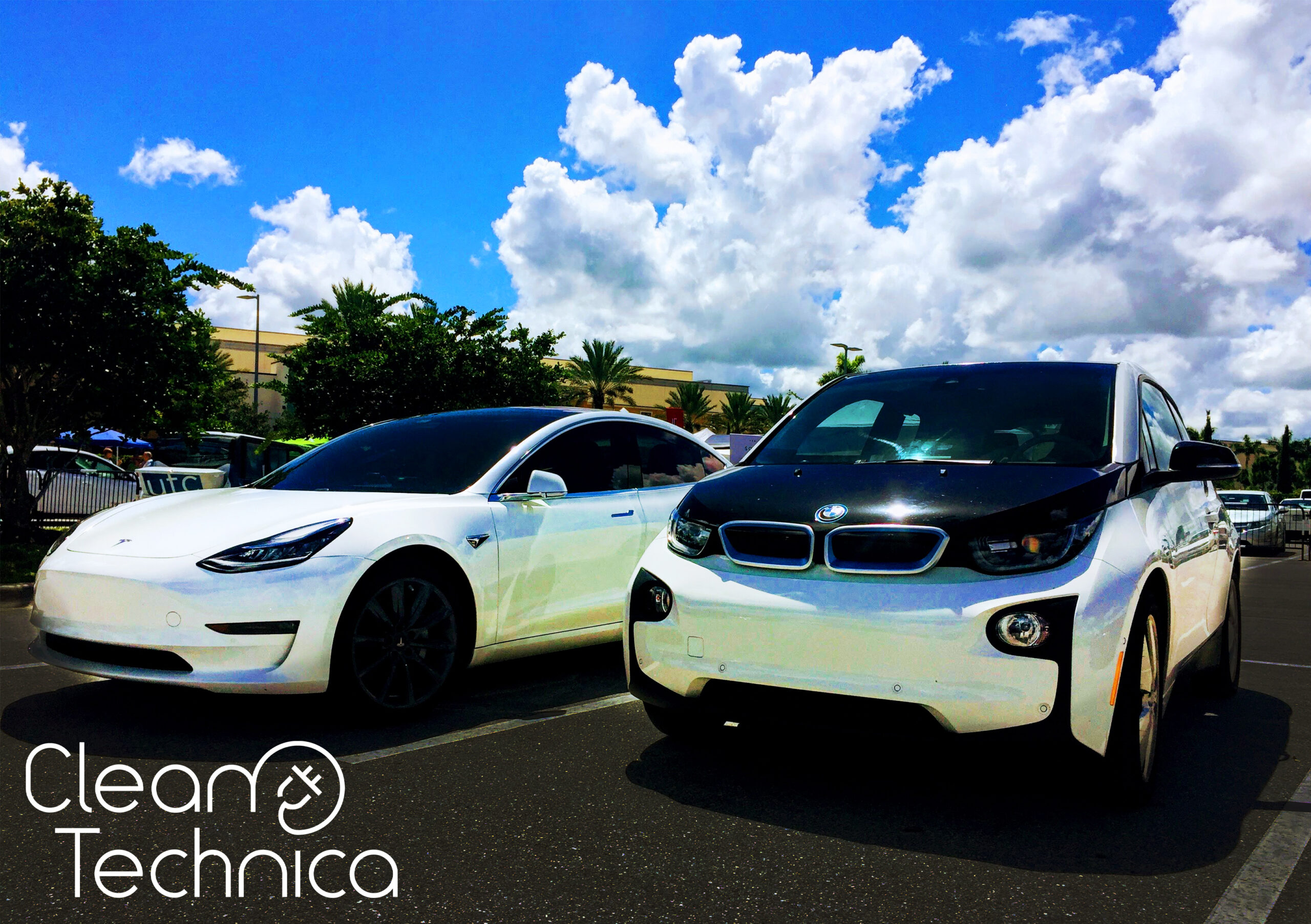
A fresh BMW Group survey of American car buyers has put hard numbers behind something EV advocates have argued for years: the distance most people drive each day is nowhere near the range they insist an electric car must offer before they will buy one. The nationally representative 2026 study found that 73% of respondents said 75 miles or less would be enough to handle their daily routine. That covers the typical American commute comfortably, since the average driver covers roughly 31 to 37 miles a day. Yet 42% of the same group said they would want at least 300 miles of range before even considering an EV — and 18% held out for 400 miles or more.
The contradiction is the heart of the report. Even a 2013-era Nissan LEAF, which approaches 100 miles of range in good weather, would have met most of those daily needs if charged once or twice a week. Today’s EVs have three to four times that range, so the gap between what drivers say they need day to day and what they demand on a spec sheet is not really about ability. BMW frames it as an evolution of the old range-anxiety conversation: buyers still treat total range as a deciding factor — 72% said minimum range would influence their choice — even when their real-world trips sit far below that ceiling.
On charging, the survey shows a practical streak emerging. Fifty-three percent said they would be more likely to consider an EV if a charging stop could add roughly 150 miles in about 10 minutes, a figure that climbs to 70% among Gen Z and 65% among Millennials. That points to a generational shift in how buyers weigh refueling speed against total capacity. The broader picture is also shifting: 68% of Americans say they would now consider an EV, and lower ownership and operating costs ranked as the top EV-specific reason at 27%, followed by better driving characteristics and newer technology at 19% each, with environmental benefits also at 19%.
Barriers remain stubborn, though. Purchase price topped the list, cited by 51% of respondents, ahead of battery longevity concerns at 31%, charging time at 26%, driving range at 24%, public charger availability at 24%, and access to convenient home charging at 23%. There is a promising opening for the used market: 55% said they would consider a certified pre-owned or used EV if the savings were large enough. Meanwhile, just 56% of Americans still see EV buyers as early adopters, down from 62% in 2025 — a sign that electric cars are steadily shedding their niche label.
Taken together, the findings suggest a market that is maturing faster in perception than in purchase behavior. The appetite is there, especially when affordability and fast charging enter the frame, but the long-range fantasy keeps shaping decisions that daily driving data rarely justifies.
What do you think?