
BMW Leipzig Paves the Way for Hydrogen-Powered Car Manufacturing
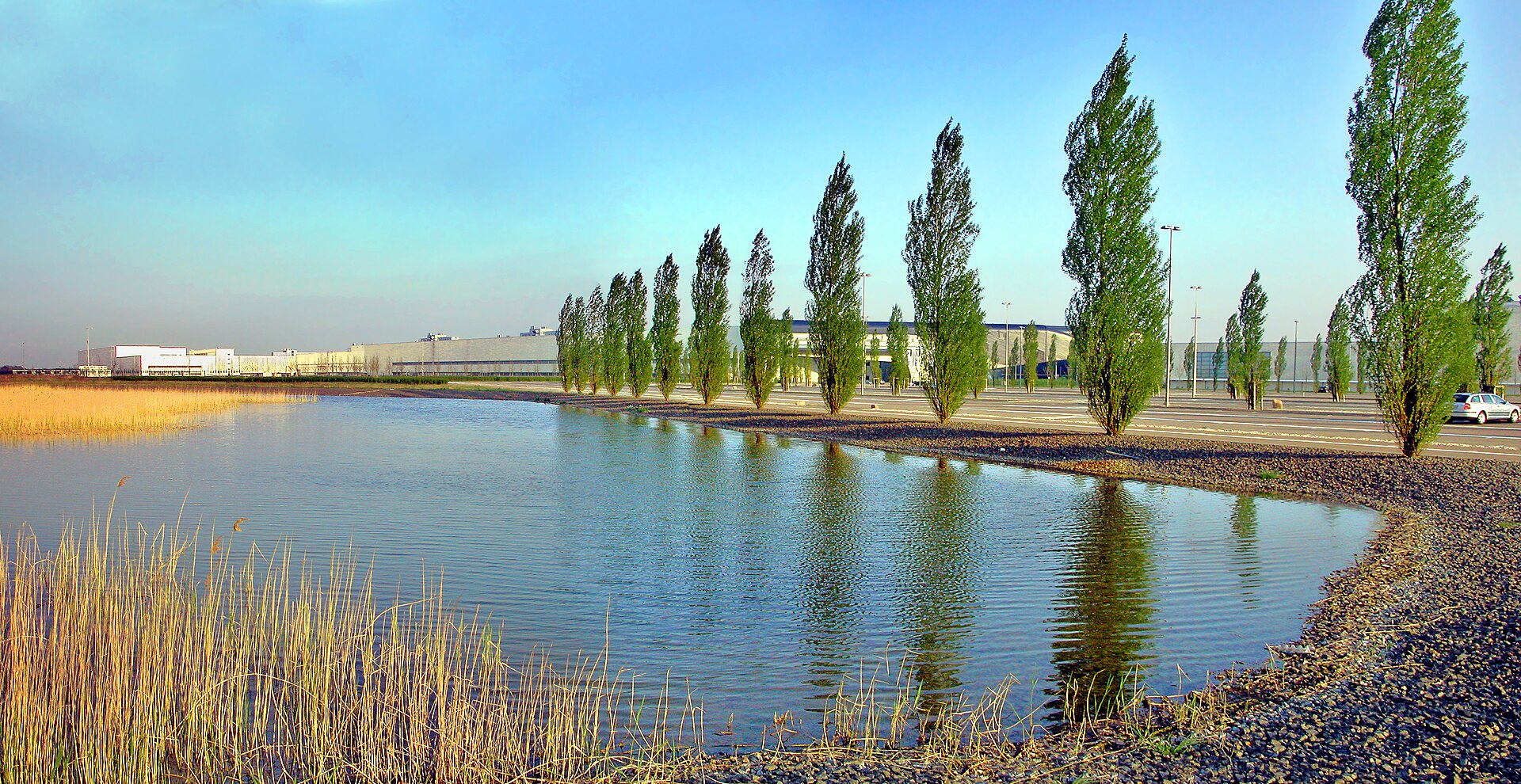
BMW Group has broken ground on a hydrogen pipeline that will connect its Leipzig factory directly to a hydrogen grid, a move the company says makes it the first vehicle plant in the world to receive hydrogen through a dedicated grid connection. The roughly two-kilometre link is scheduled to go into operation in the first half of 2028, allowing the site to dry paint using hydrogen as its sole energy source.
The Leipzig facility has been running eleven dual-fuel paint furnaces since 2022, capable of switching between natural gas and hydrogen. Paint drying is one of the most energy-intensive, high-temperature steps in vehicle assembly, which is why BMW has singled it out as the logical starting point for grid-supplied hydrogen.
BMW has secured capacity with Ontras Gastransport, which is developing the region’s core hydrogen network, while Mitnetz Gas will construct the connection and its metering station. The project is being co-financed by the state government of Saxony and the European Regional Development Fund. Separately, the automaker has relied on hydrogen in its plant logistics since 2013, operating a fleet of more than 230 fuel-cell forklifts and tug trains that it describes as the largest of its kind in Europe.
Plant Director Petra Peterhänsel said the pipeline will let Leipzig power its paint shop with hydrogen on a far greater scale than before, calling it a milestone that strengthens energy resilience and opens significant potential for decarbonising production. BMW also cautioned that competitive grid charges and planning certainty will be just as decisive as engineering in determining how quickly the rest of the industry follows suit.
What do you think?