
Biden's $2 Trillion Infrastructure Plan Targets National EV Charging Network, But Obstacles Lie Ahead
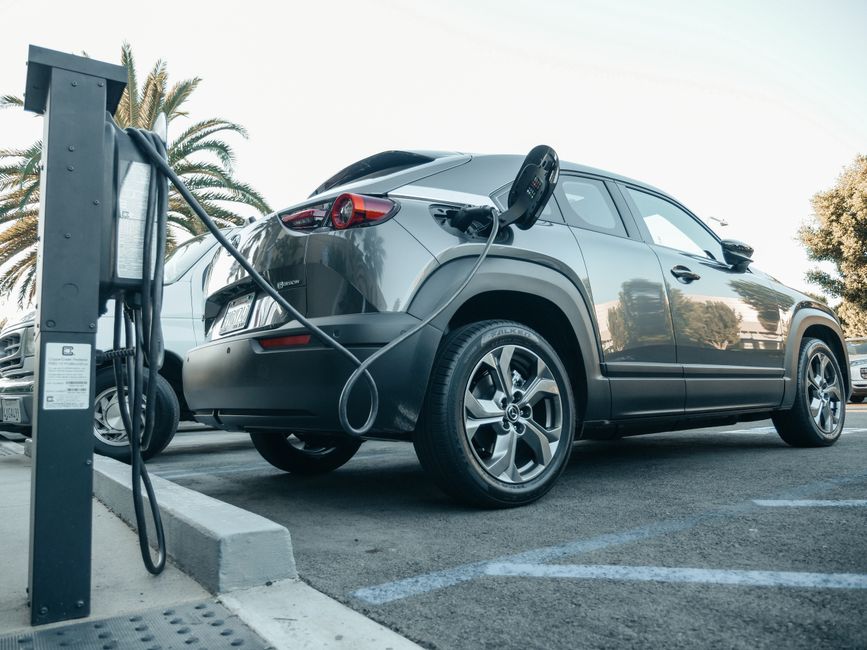
President Biden’s sweeping $2 trillion infrastructure proposal includes a major push to create a nationwide EV charging network. The goal is to make electric vehicles a practical choice for more Americans by addressing range anxiety and ensuring chargers are available coast to coast. However, building such a system is far from straightforward.
One of the biggest hurdles is the sheer scale of installation required, especially in rural and underserved areas where demand may not yet justify the investment. Additionally, there’s the question of standardizing charging plugs and payment systems across different networks, which currently vary widely. Without uniformity, drivers could face confusion and inconvenience.
Another challenge is the electric grid itself. A massive increase in charging stations will put new demands on local power infrastructure, requiring upgrades and smart planning to avoid overloads. Furthermore, the plan will need to navigate regulatory and permitting processes that can vary significantly from state to state.
Despite these obstacles, the proposal signals a strong federal commitment to electrification. If successful, it could accelerate EV adoption and help reduce transportation emissions. But the road to a seamless national charging network is long and complex.
What do you think?