
Beijing Trims Export Tax Rebates for NEV Exports, Pressuring Chinese Automakers
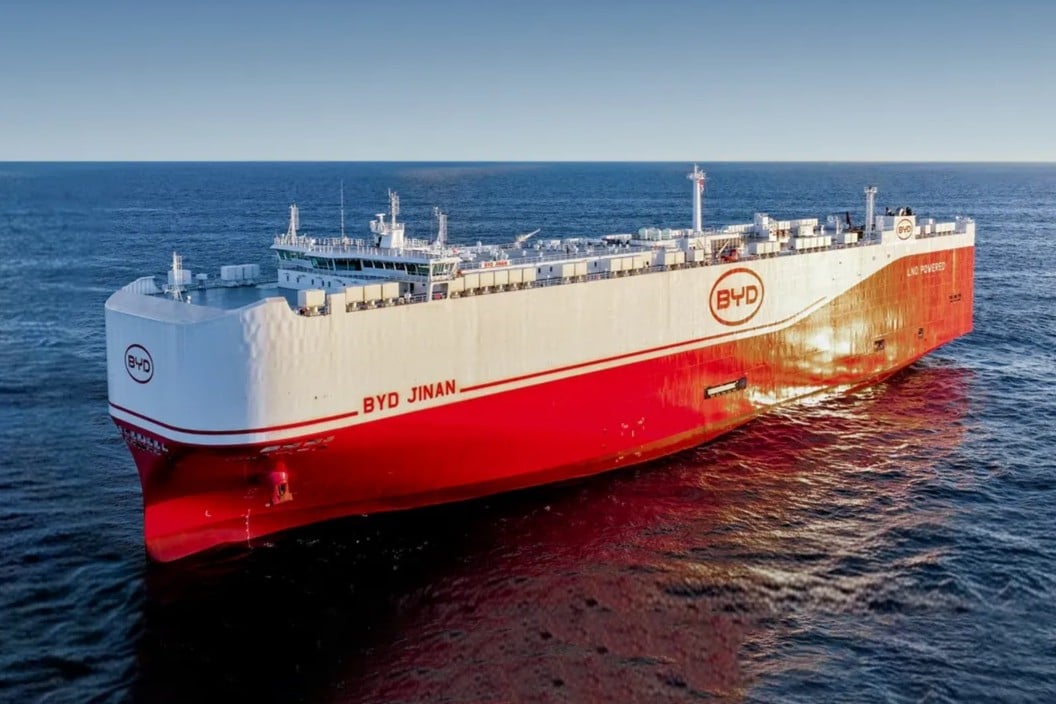
China’s finance ministry and state tax administration have jointly announced a reduction in the value-added tax (VAT) rebate applied to exported new energy vehicles. From 1 April 2027, the rebate on battery-electric passenger cars, plug-in hybrids, electric buses and electric tractor units will fall from 13 per cent to 9 per cent. Because the current 13 per cent rate offsets the full VAT paid on production inputs, the change means four percentage points of tax will stay on manufacturers’ books as an unrecoverable cost rather than being refunded by the state. Consumption tax rebates and exemptions are untouched by the decision.
The timing is awkward for Chinese automakers. Overseas shipments have become the industry’s growth engine while the home market contracts — the government did not give an explicit rationale, but economists read the move as a response to Chinese industry’s rising global competitiveness. The intent appears to be cooling aggressive price battles abroad and nudging manufacturers to compete on technology, brand quality and service instead of state-subsidised discounts.
It also fits a broader pattern. Beijing has been withdrawing support for strategic industries once they mature: VAT rebates on solar module exports ended on 1 April 2026, and the rebate for batteries is being tapered toward full elimination by early 2027. The automotive cut follows the same logic.
The market backdrop sharpens the pressure. According to industry association CAAM, NEV exports climbed 130 per cent year-on-year to more than four million units in the first nine months of 2026, while domestic sales slipped 9.4 per cent in September — meaning foreign business is now offsetting weakness at home. Deutsche Bank analysts estimate that BYD, the sector’s volume leader, will lose roughly 5,000 yuan (about €670) in net profit per exported vehicle from the second quarter of 2027. BYD shipped more than 1.34 million vehicles abroad in the first three quarters of 2026, close to 43 per cent of its total sales.
BYD is unlikely to carry the burden alone. Chery, Geely, SAIC Motor, Great Wall Motor, Changan, Leapmotor, GAC and Xpeng are all expected to absorb the extra cost — through efficiency gains, price adjustments or thinner margins. How each chooses to respond will shape export pricing across Europe and other key markets in the years ahead.
What do you think?