
Autonomous Mobility Roundup: Nissan Taps Valeo and Wayve, Momenta Lands Stellantis ADAS Deal, MAN Pilots Driverless E-Bus in Munich
Several threads are converging in the autonomous driving space this week, with supplier partnerships, cross-border software deals and public-road testing all moving forward at once.
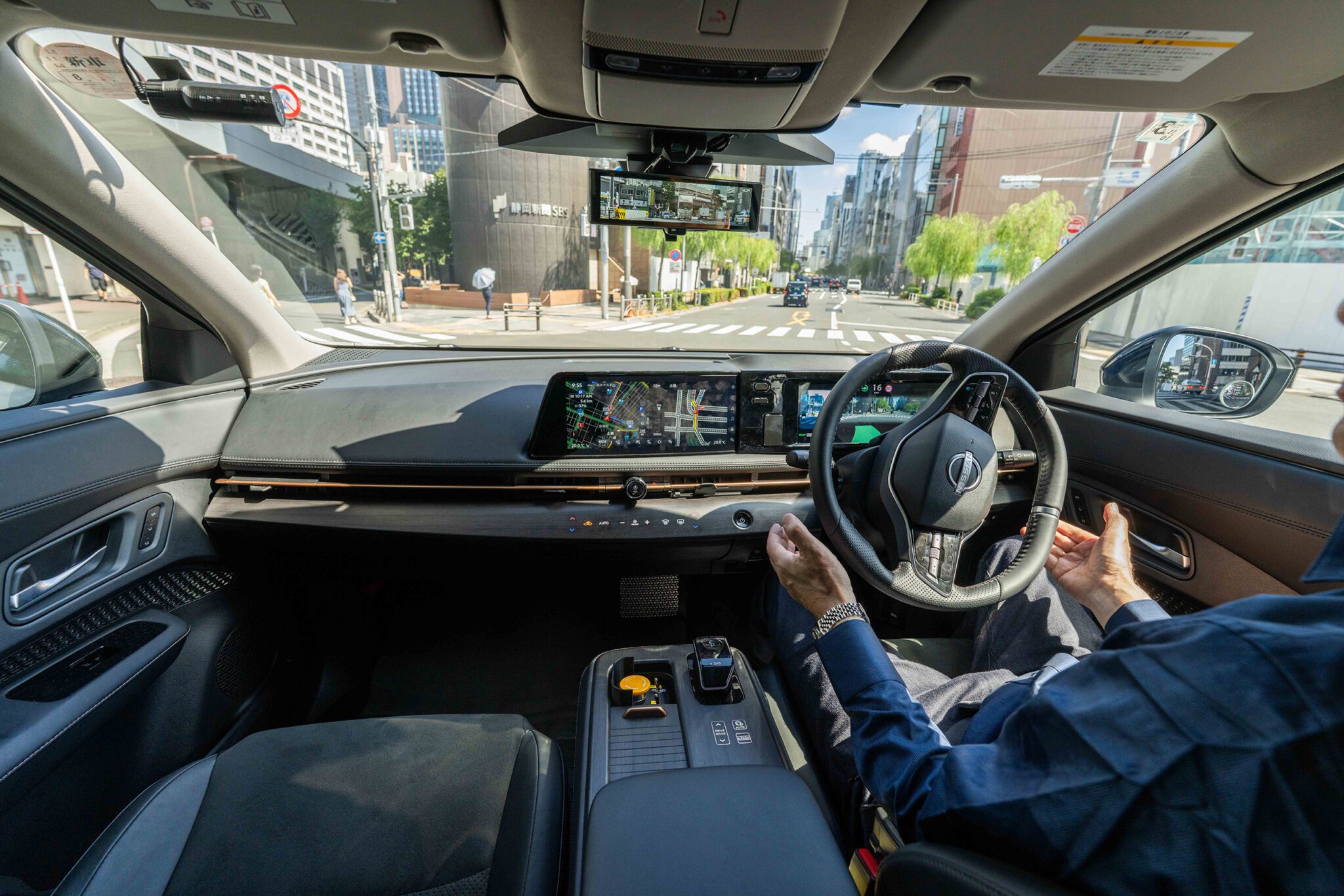
The most consequential item is Nissan’s decision to hand Valeo the lead system supplier role for its next-generation ProPilot technology. The system will lean on AI driving software from Wayve, the UK-based developer whose end-to-end learning approach has attracted attention from multiple global automakers. For Nissan, the move signals a willingness to build its advanced driver assistance stack around outside expertise rather than developing every layer in-house — a pattern that has become increasingly common as the software burden grows.
Momenta, meanwhile, has secured a global contract to develop ADAS for upcoming Peugeot and Jeep models. The assignment is notable because it spans two brands under the wider Stellantis umbrella and underscores how Chinese ADAS specialists are extending their reach into European and American product lines. Momenta has been steadily building its portfolio of OEM partnerships, and adding Peugeot and Jeep gives the company a foothold in two high-volume segments.
On the commercial vehicle side, MAN Truck & Bus is testing an automated electric bus on a public route in Munich. Passenger rides are expected to begin in November, marking a step from closed-course validation toward real-world service with the public on board. Combining electrification with automation in a city bus package addresses two pressures at once: emissions reduction in urban centres and the driver shortage that affects transit operators in many regions.
In the Middle East, Dubai’s Roads and Transport Authority has opened Dubai Mobility Labs, an autonomous vehicle test site that pairs closed tracks with a public-road route. The mixed format is designed to let developers validate systems in controlled conditions before exposing them to everyday traffic — a structure that regulators elsewhere are also experimenting with as they try to balance innovation against safety oversight.
The through-line across these developments is that autonomy is no longer a single-company pursuit. It now depends on layered partnerships between automakers, tier-one suppliers and software specialists, each contributing a piece of the stack.
What do you think?