
Autocrypt's Shared PKI Brings Plug & Charge to Six Automakers in Korea
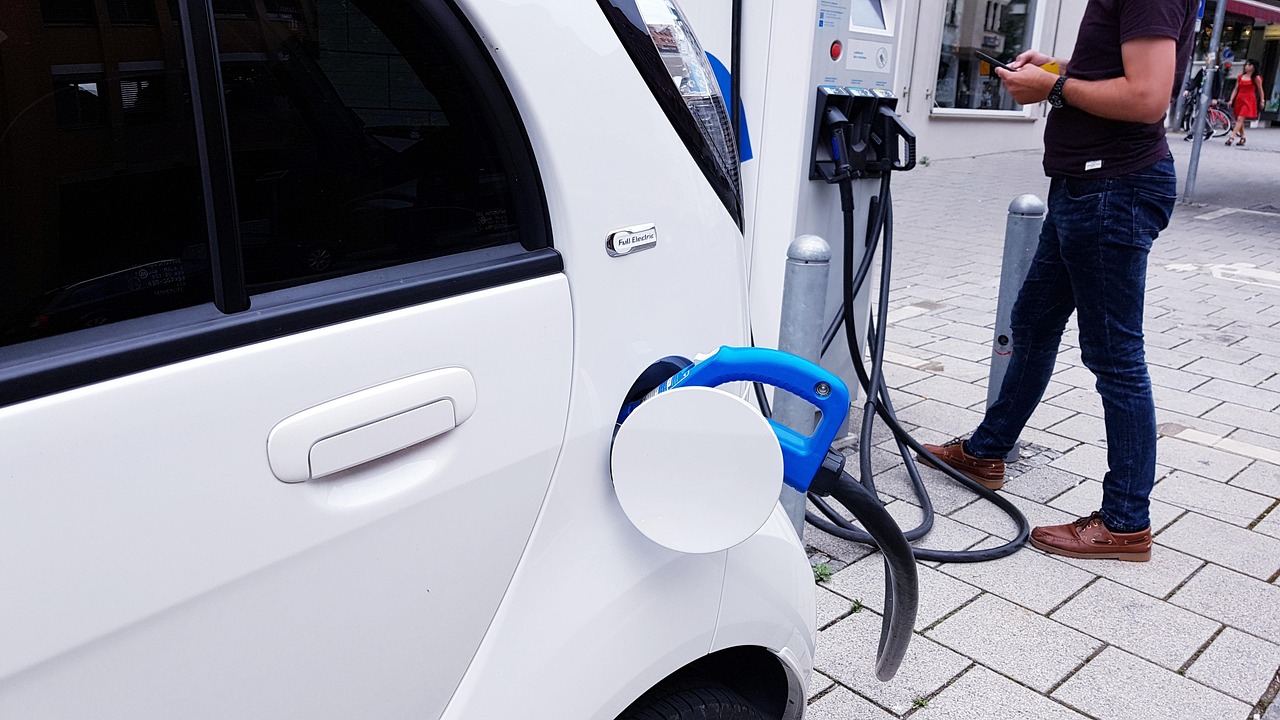
Autocrypt has rolled out a shared public key infrastructure for Plug & Charge in South Korea, giving automakers and charging network operators a single, common method for authenticating electric vehicles at the plug. The framework has already been validated on electric models from six brands: Hyundai, Kia, KG Mobility, BMW, Mercedes-Benz and Tesla. By relying on a public vehicle-to-grid root certificate authority, the system allows enrolled vehicles to identify themselves to compatible chargers and begin a charging session without any manual steps from the driver.
The core appeal of a shared PKI is cost. Without it, every automaker and every charge point operator would need to build and maintain its own authentication stack, a duplication that becomes especially wasteful in markets where many different vehicle brands draw on the same public chargers. A common trust layer removes that overlap and, according to Autocrypt, could eventually extend beyond authentication to carry payment and settlement services as well. That would position the infrastructure as a broader backbone for automated charging transactions, not just a handshake between car and charger.
Autocrypt co-founder and chief executive Duksoo Kim framed the move as a foundational step rather than a finished product. He argued that scaling Plug & Charge requires a trusted framework securely linking vehicles, charging infrastructure and service providers, and added that as the industry moves into what he called the Physical AI era, this kind of trust foundation will matter more in enabling secure, automated charging with minimal human intervention. In practice, that means less time spent on apps, cards and authentication prompts at the charger.
For now, the company is not disclosing the full scope of the deployment. It has not said how many chargers or operators the Korean network currently covers, nor has it named the global partners it says it is working with as it extends the system to additional automakers and operators. Those integrations are described as under way.
The initiative lands in a market where Plug & Charge adoption has been uneven, largely because interoperability across brands and networks has been difficult to guarantee. A shared certificate authority could lower the barrier for new participants on both sides of the equation, letting a vehicle join the ecosystem once rather than negotiating separate agreements with each network. Whether Autocrypt’s framework becomes a de facto standard in Korea will depend on how quickly those unnamed integrations come online and how many operators sign on to the same root of trust.
What do you think?