Australia’s push toward a renewable-powered grid is gathering pace, with a suite of new funding announcements covering community-scale storage as well as household-level electrification.
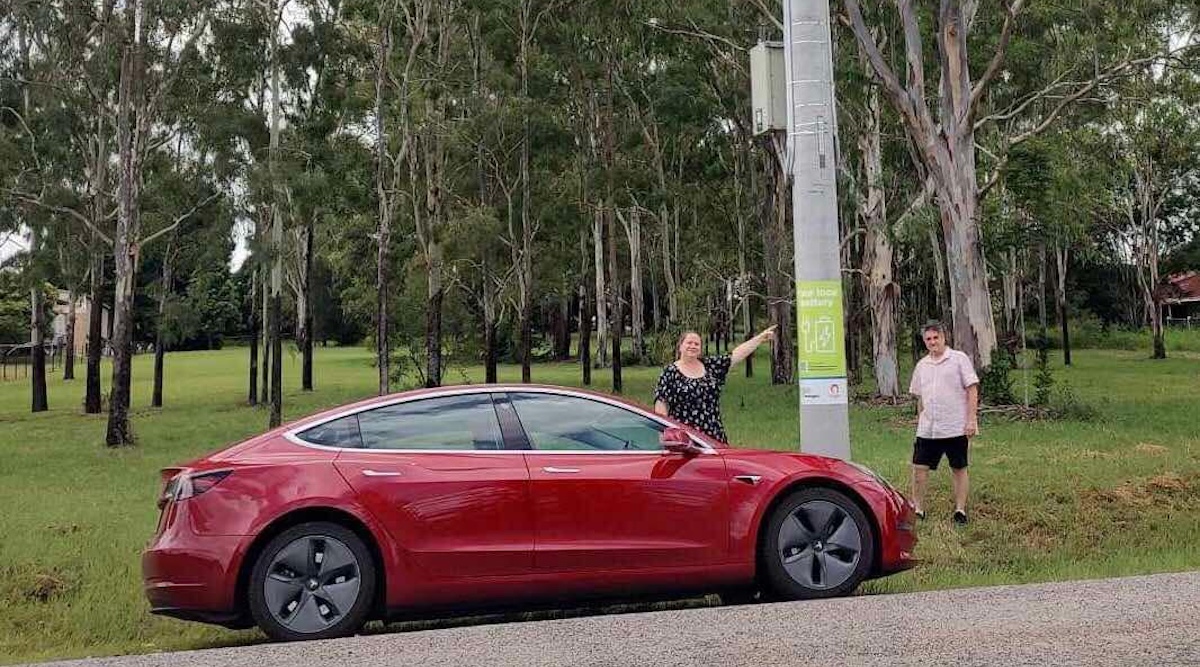
The Australian Renewable Energy Agency (ARENA) confirmed that more than 100 community batteries have now been deployed across the country, and has opened a second funding round worth AU23millionforthreefreshprojects.YESGroupwilltakeAU10.29 million to install 14 community batteries in regional parts of South Australia and New South Wales, with some tied to existing solar farms and others operating independently. ARENA notes that these batteries promise to store distributed renewable energy for later use, ease pressure on distribution networks and help push electricity prices downward. The combined energy capacity of the installed units is expected to reach 16,880 kW and 46,876 kWh. In the denser Sydney, Central Coast and Hunter regions, AU8millionwillfund21batteriesundertheAusgridnetwork,whileAU5 million goes toward 12 batteries as part of the City of Newcastle Innovative Battery Solutions Project.
According to ARENA Acting CEO Chris Faris, passing the 100-battery mark shows rising confidence in what these assets can contribute to the energy transition. He points out that community batteries let neighbourhoods squeeze more value from rooftop solar, banking surplus daytime generation and releasing it when demand peaks, which can trim costs, lift renewable uptake and make the grid work more efficiently. The program is also producing real-world data on performance, costs, business models and grid effects that should speed up commercial rollout.
ARENA is turning its attention indoors as well. A package worth AU8.2millionwillsupporthouseholdsinCanberraastheyswapgasappliancesforelectricalternatives.CleanenergyproviderElectricFuturewillworkwithasmanyas1,000homesinthecity′ssouthernsuburbs,triallingasingledigitalplatformthatservesasaone−stopshopforhomeelectrification,coveringelectricvehicles,homebatteriesandrooftopsolar.ARENACEODarrenMillerobservesthatthebiggestobstacleformanyfamiliesisnotthehardwareitselfbutfiguringoutwheretobegin,comparingquotes,locatingtrustedinstallersandnavigatingrebatesandfinance.Canberraalreadystandsout:44percentofnewcarsalestherearebatteryelectric,andfleetpenetrationhashit5percent,roughlydoublethenationalfigure.TheACTgovernmentbacksthiswithlow−interestloansofuptoAU20,000 for new or used EVs and charging equipment, plus registration and stamp duty discounts.
On the storage side, the Cheaper Home Battery scheme has proven a runaway success, with over 500,000 systems and 14 GWh of capacity installed in Australian homes. The cap has now been raised so that systems from 100 kWh up to 1 MW qualify for a 20 percent discount, a change aimed at farms, factories, community organisations and commercial businesses. Officials expect this to add another 80 GWh of capacity, easing grid demand and trimming power bills over time.